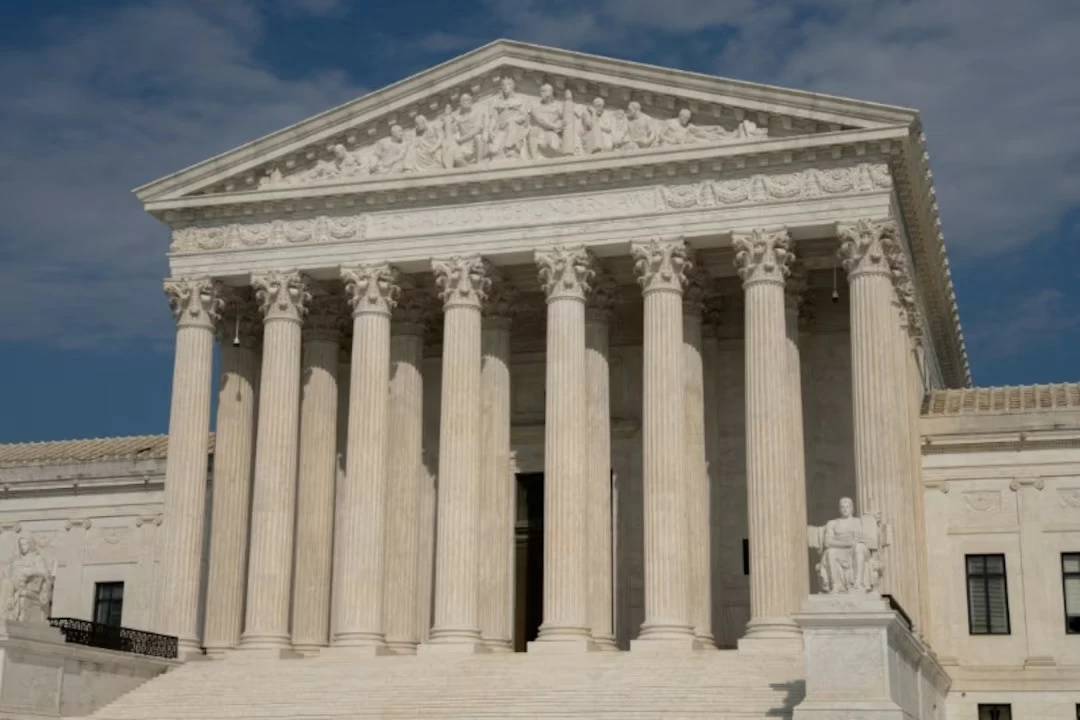
رفضت المحكمة العليا الأمريكية، طلب وزارة العدل السماح لخدمة البريد الأمريكية بتطبيق قواعد جديدة تستهدف بطاقات الاقتراع المرسلة عبر البريد، في قرار يمثل انتكاسة لجهود إدارة الرئيس دونالد ترمب لتشديد ضوابط التصويت بالبريد قبل انتخابات التجديد النصفي المقررة في نوفمبر القادم، والتي ستحدد موازين السيطرة على الكونغرس.
وأبقت المحكمة بذلك على قرار أصدرته قاضية المحكمة الجزئية الأمريكية في بوسطن، إنديرا تالواني، يمنع خدمة البريد من تنفيذ القواعد الجديدة إلى حين البت في الطعون القضائية التي تقدمت بها ولايات ومنظمات معنية بحقوق التصويت.
وكانت خدمة البريد قد اعتمدت هذه الإجراءات بعد إصدار ترمب، في مارس، أمراً تنفيذياً يستهدف تشديد القواعد المنظمة للتصويت عبر البريد.
وقالت المحكمة العليا في أمر مقتضب من فقرة واحدة إن الحكومة «من غير المرجح أن تنجح في جوهر طعنها» على قرار المحكمة الجزئية الذي أوقف تنفيذ القواعد.
انقسام بين القضاة المحافظين
من جانبه، عارض القاضي المحافظ صامويل أليتو قرار المحكمة، وانضم إليه القاضي كلارنس توماس، فيما لم يعلن أي قاضٍ آخر معارضته للقرار بشكل علني. وتتمتع المحكمة العليا حالياً بأغلبية محافظة من ستة قضاة مقابل ثلاثة.
وفي بيان منفصل مؤيد للقرار، أشار القاضي المحافظ بريت كافانو إلى أن هناك «احتمالاً معقولاً» بأن تكون القواعد الجديدة ضمن صلاحيات خدمة البريد، لكنه شدد في الوقت نفسه على أن مسؤولي الانتخابات على مستوى الولايات والحكومات المحلية لا يملكون الوقت الكافي لتطبيقها بصورة معقولة قبل انتخابات 2026.
في المقابل، اعتبر أليتو في رأيه المعارض أن بعض الحجج التي قدمها الطاعنون ترقى إلى ما وصفه بمحاولة أخيرة ضعيفة الاحتمال، مؤكداً أن خدمة البريد تتمتع بصلاحيات واسعة لتنظيم عملية إرسال البريد.
ما القواعد الجديدة؟
وتُلزم القواعد التي تسعى إدارة ترمب إلى تطبيقها الولايات بتزويد خدمة البريد بقوائم بأسماء الناخبين الذين سيحصلون على بطاقات اقتراع بالبريد، فضلاً عن استخدام أظرف محددة لإرسال بطاقات الاقتراع وإعادتها، على أن تحمل هذه الأظرف رموزاً شريطية فريدة توافق عليها خدمة البريد.
وبموجب النظام الجديد، كان بإمكان خدمة البريد رفض إرسال بطاقات لا تستوفي المعايير المحددة أو تخص ناخبين غير مدرجين في القوائم المقدمة إليها.
وحذر منتقدو هذه الإجراءات من أنها قد تؤدي إلى تعطيل وصول آلاف البطاقات الانتخابية الصحيحة، خصوصاً مع اقتراب موعد الانتخابات واستعداد عدد كبير من الولايات لإرسال بطاقات الاقتراع إلى الناخبين المؤهلين.
وتقول إدارة ترمب إن القواعد تهدف إلى الحد من عمليات تزوير الانتخابات، في وقت تشير فيه الأدلة المتاحة إلى ندرة حالات تزوير التصويت على نطاق واسع.
قضاة اتحاديون يوقفون القواعد
وكانت القاضية تالواني قد أصدرت في الرابع من سبتمبر، أمراً قضائياً مؤقتاً يمنع تطبيق القواعد، معتبرة أنها من المرجح أن تتعارض مع الدستور الأمريكي، الذي يمنح الولايات دوراً أساسياً في إدارة الانتخابات.
كما رأت القاضية أن ضيق الوقت يجعل من المتعذر عملياً على الولايات الالتزام بالقواعد الجديدة قبل انتخابات التجديد النصفي.
وفي اليوم التالي، أصدر قاضٍ اتحادي آخر في واشنطن العاصمة، كارل نيكولز، حكماً أيضاً ضد القواعد.
وفي الأسبوع الماضي، رفضت محكمة الاستئناف الأمريكية للدائرة الأولى طلباً بتعليق قرار تالواني مؤقتاً، معتبرة أن تطبيق القواعد قد يؤدي على الأرجح إلى حرمان ملايين الناخبين من حقهم في التصويت، مقابل مكاسب محدودة، إن وجدت، في مواجهة تزوير الانتخابات.
انتقادات من منظمات حقوق التصويت
ورحبت جماعات حقوق التصويت بقرار المحكمة العليا، وقالت صوفيا لين لاكين، مديرة مشروع حقوق التصويت في الاتحاد الأمريكي للحريات المدنية، الذي ساهم في تمثيل عدد من الجهات الطاعنة على قواعد خدمة البريد، إن الإدارة الحالية «تواصل اختبار حدود سلطاتها»، معتبرة أن قواعد الانتخابات الفيدرالية يحددها الدستور والكونغرس والولايات، وليس الرئيس أو خدمة البريد.
من جانبه، رحب حاكم ولاية كاليفورنيا غافين نيوسوم بالقرار، واعتبره خطوة إيجابية للديمقراطية وسيادة القانون وحق الأمريكيين في التصويت، مضيفاً أن هجمات ترمب على الديمقراطية خلال الفترة الماضية كانت، على حد تعبيره، «غير أمريكية».
معركة أوسع حول التصويت بالبريد
وتأتي القضية في ظل معركة سياسية وقضائية أوسع بشأن التصويت بالبريد في الولايات المتحدة، حيث تخوض إدارة ترمب سلسلة من التحركات لزيادة الدور الفيدرالي في تنظيم الانتخابات قبل انتخابات التجديد النصفي.
وكان ترمب قد وقع في مارس أمراً تنفيذياً يستهدف بطاقات الاقتراع بالبريد، بعد سنوات من التشكيك في سلامة التصويت عبر البريد، رغم أنه أدلى بصوته عبر البريد في مناسبات سابقة.
كما سبق لترمب أن روّج لمزاعم غير صحيحة بشأن انتشار تزوير الانتخابات الأمريكية، بما في ذلك الانتخابات الرئاسية لعام 2020 التي خسرها أمام الرئيس الديمقراطي السابق جو بايدن.
وفي السادس من سبتمبر، طلبت الإدارة من المحكمة العليا بصورة عاجلة السماح بتطبيق القواعد، معتبرة أنها تمثل سياسة اتحادية مهمة لحماية خدمات البريد من استخدامها في عمليات تزوير انتخابية.
وتأتي هذه التطورات بينما يستعد الحزبان الجمهوري والديمقراطي لمعركة متقاربة على السيطرة على الكونغرس في انتخابات نوفمبر.
ويكتسب التصويت بالبريد أهمية سياسية خاصة، في ظل بيانات واستطلاعات تشير إلى اعتماد الناخبين الديمقراطيين عليه بمعدلات أعلى من الناخبين الجمهوريين.
وكانت المحكمة العليا قد رفعت، في 24 أغسطس، أمراً قضائياً سابقاً أصدرته القاضية تالواني في يونيو، وكان يعرقل تنفيذ الأمر التنفيذي لترمب، بما في ذلك قواعد خدمة البريد قبل الانتهاء من صياغتها.
The U.S. Supreme Court rejected the Justice Department's request to allow the U.S. Postal Service to implement new rules targeting mail-in ballots, in a decision that represents a setback for President Donald Trump's administration's efforts to tighten mail-in voting controls ahead of the upcoming midterm elections in November, which will determine the balance of power in Congress.
Thus, the court upheld a decision issued by U.S. District Judge Indira Talwani in Boston, which prevents the Postal Service from enforcing the new rules until the legal challenges brought by states and organizations concerned with voting rights are resolved.
The Postal Service had adopted these measures after Trump issued an executive order in March aimed at tightening the regulations governing mail-in voting.
The Supreme Court stated in a brief one-paragraph order that the government "is unlikely to succeed on the merits of its appeal" against the district court's decision that halted the implementation of the rules.
Division Among Conservative Justices
For his part, conservative Justice Samuel Alito opposed the court's decision, joined by Justice Clarence Thomas, while no other justice publicly announced their opposition to the ruling. The Supreme Court currently has a conservative majority of six justices to three.
In a separate statement supporting the decision, conservative Justice Brett Kavanaugh noted that there is a "reasonable possibility" that the new rules fall within the Postal Service's authority, but he emphasized that state and local election officials do not have enough time to implement them reasonably before the 2026 elections.
In contrast, Alito, in his dissenting opinion, argued that some of the arguments presented by the challengers amounted to what he described as a weak last-ditch attempt, asserting that the Postal Service has broad authority to regulate the mail process.
What Are the New Rules?
The rules that the Trump administration seeks to implement require states to provide the Postal Service with lists of voters who will receive mail-in ballots, as well as to use specific envelopes for sending and returning ballots, which must carry unique barcodes approved by the Postal Service.
Under the new system, the Postal Service would be able to refuse to send ballots that do not meet the specified criteria or pertain to voters not listed on the provided lists.
Critics of these measures warned that they could disrupt the delivery of thousands of valid ballots, especially as the election date approaches and many states prepare to send ballots to eligible voters.
The Trump administration claims that the rules aim to reduce election fraud, while available evidence indicates that instances of widespread voting fraud are rare.
Federal Judges Halt the Rules
Judge Talwani issued a temporary restraining order on September 4, preventing the implementation of the rules, stating that they are likely to conflict with the U.S. Constitution, which grants states a fundamental role in managing elections.
The judge also found that the time constraints make it practically impossible for states to comply with the new rules before the midterm elections.
The following day, another federal judge in Washington, D.C., Carl Nichols, also ruled against the rules.
Last week, the U.S. Court of Appeals for the First Circuit denied a request to temporarily stay Talwani's ruling, stating that implementing the rules would likely disenfranchise millions of voters with minimal, if any, gains in combating election fraud.
Criticism from Voting Rights Organizations
Voting rights groups welcomed the Supreme Court's decision, with Sophia Lin Lakin, director of the Voting Rights Project at the American Civil Liberties Union, which represented several parties challenging the Postal Service's rules, stating that the current administration "continues to test the limits of its authority," asserting that federal election rules are determined by the Constitution, Congress, and the states, not by the president or the Postal Service.
California Governor Gavin Newsom also welcomed the decision, considering it a positive step for democracy, the rule of law, and Americans' right to vote, adding that Trump's attacks on democracy in recent times were, in his words, "un-American."
A Broader Battle Over Mail-In Voting
This case comes amid a broader political and legal battle over mail-in voting in the United States, where the Trump administration is undertaking a series of moves to increase the federal role in regulating elections ahead of the midterm elections.
Trump signed an executive order in March targeting mail-in ballots after years of questioning the integrity of mail-in voting, despite having voted by mail in previous instances.
Trump has also promoted false claims about widespread election fraud in the U.S., including in the 2020 presidential election, which he lost to former Democratic President Joe Biden.
On September 6, the administration urgently requested the Supreme Court to allow the implementation of the rules, arguing that they represent an important federal policy to protect postal services from being used in electoral fraud.
These developments come as both the Republican and Democratic parties prepare for a closely contested battle for control of Congress in the November elections.
Mail-in voting takes on particular political significance, given data and polls indicating that Democratic voters rely on it at higher rates than Republican voters.
The Supreme Court had lifted a previous court order issued by Judge Talwani in June on August 24, which had obstructed the implementation of Trump's executive order, including the Postal Service's rules before they were finalized.