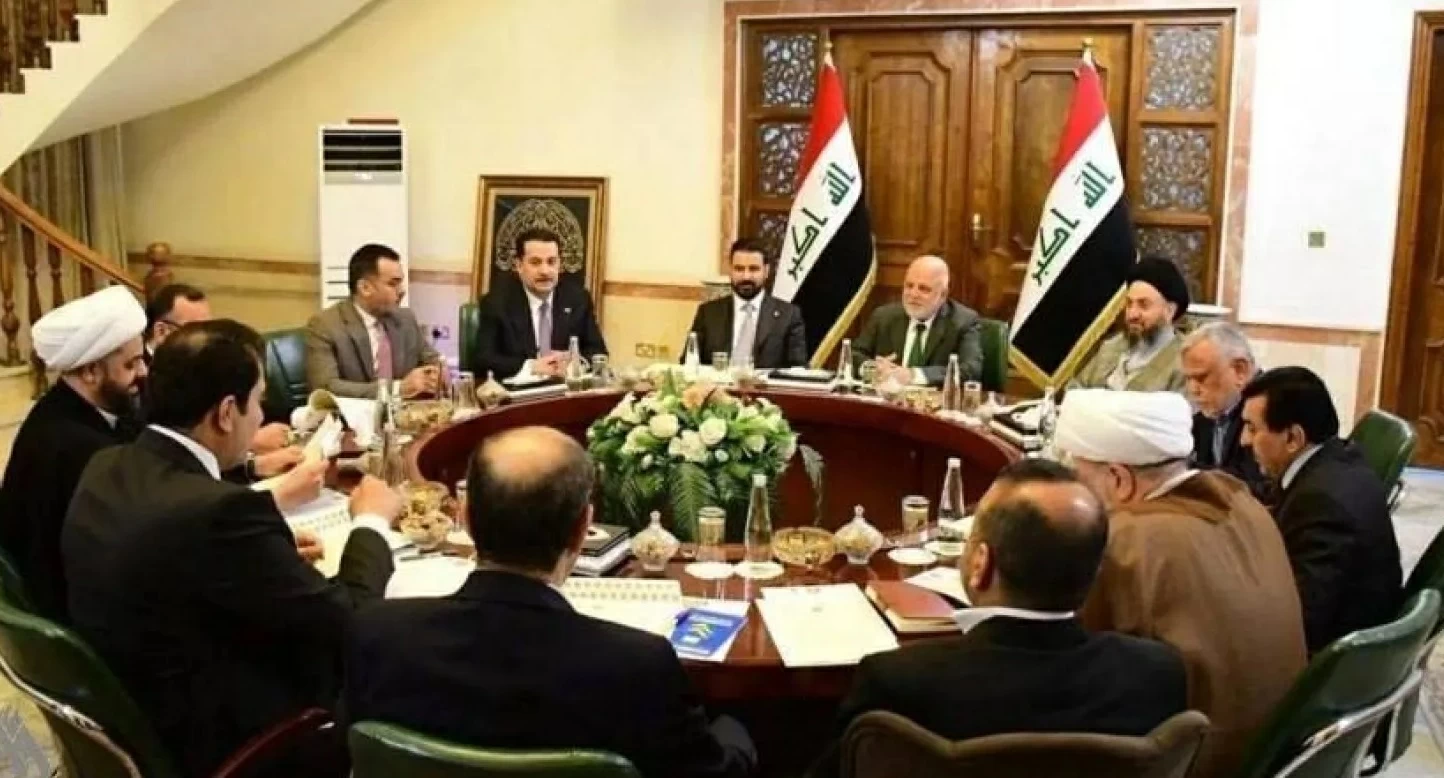
أرجع مصدر مطلع ترسيب الحكومة العراقية سر الـ48 ساعة لإنهاء أزمة ملف سلاح الفصائل، إلى تعويل الحكومة على نتائج الاجتماع الرباعي الذي انتهى فجأة قبل أن يبدأ بسبب غياب غير متوقع لحركة النجباء.
وأوضح المصدر أن فشل عقد الاجتماع الرباعي لا يعني ضياع الفرصة بل تم الاتفاق بين قوى الإطار التنسيقي والفصائل المسلحة على إقناع حركة النجباء بضرورة حضور الاجتماع الذي سيحدد موعده بعد موافقة الحركة.
وقال المصدر لـ «عكاظ» إن الاجتماع الذي كان مقرر عقده الليلة الماضية بين زعيم ائتلاف دولة القانون نوري المالكي وزعامات الفصائل الأربعة أو من ينوب عنهم تم تأجيله لإشعار آخر، متوقعاً أن يعقد بعد انسحاب القوات الأمريكية من البلاد.
وكانت الحكومة العراقية قد سربت قبل يومين اتفاقاً مبدئياً، لعقد اجتماع يضم أطرافاً حكومية رسمية عسكرية وأمنية، إلى جانب قادة من الإطار التنسيقي، وممثلين عن هيئة الحشد الشعبي، وممثلين عن الفصائل المسلحة، لبحث آلية حصر السلاح بيد الدولة، قبيل الموعد المحدد في 30 سبتمبر.
وبحسب المصادر فإن الاجتماع «لا يعني التوصل إلى اتفاق نهائي بشأن آلية حصر السلاح»، وإنما يأتي في إطار مساعي التهدئة ومنع أي تصعيد محتمل، ومحاولة الوصول إلى حلول وتفاهمات بشأن عملية حصر السلاح.
غير أن مصادر عراقية أخرى تحدثت لـ «عكاظ» عن أن الفصائل المسلحة لن تسلم سلاحها في 30 سبتمبر فيما تطرقت للخيار الثاني المطروح في المفاوضات، الذي يتمثل في تنظيم السلاح أو تجميده.
وشكل الإطار التنسيقي، قبل نحو أسبوعين، لجنة ثلاثية ضمت كلاً من محمد شياع السوداني، ونوري المالكي، وهادي العامري، لأجل احتواء تداعيات حصر السلاح بيد الدولة، خصوصاً بعد التصعيد الإعلامي والتهويل الذي شهدته الساحة العراقية فيما يتعلق بهذا الملف.
وخاضت اللجنة الثلاثية، خلال الأيام الماضية الكثير من الحوارات ونقاشات مع الفصائل المعنية بموضوع حصر السلاح.
يذكر أن حصر السلاح بيد الدولة لا يحظى بإجماع الفصائل العراقية، حيث أعلنت حركة النجباء وكتائب حزب الله وكتائب سيد الشهداء وفصائل أخرى رفضها التخلي عن قدراتها العسكرية في 30 سبتمبر الجاري، وهو الموعد الذي حددته الحكومة العراقية والذي يتزامن في نفس موعد إنهاء الوجود العسكري للتحالف الدولي في العراق، حيث تربط تلك الفصائل مستقبل سلاحها بانسحاب القوات الأجنبية.
وكان ائتلاف إدارة الدولة، الذي يضم أبرز القوى السياسية الشيعية والسنية والكردية في العراق، قد حذر من أن أي نشاط مسلح خارج إطار الدولة بعد 30 سبتمبر سيجري التعامل معه وفق قانون مكافحة الإرهاب.
An informed source attributed the Iraqi government's 48-hour deadline to resolve the issue of the factions' weapons to the government's reliance on the results of the quadripartite meeting, which ended abruptly before it began due to the unexpected absence of the Al-Nujaba Movement.
The source explained that the failure to hold the quadripartite meeting does not mean the loss of the opportunity; rather, an agreement was reached between the Coordination Framework forces and the armed factions to persuade the Al-Nujaba Movement of the necessity of attending the meeting, which will be scheduled after the movement's approval.
The source told "Okaz" that the meeting, which was scheduled to take place last night between the leader of the State of Law Coalition, Nouri al-Maliki, and the leaders of the four factions or their representatives, has been postponed until further notice, expecting it to be held after the withdrawal of American forces from the country.
Two days ago, the Iraqi government leaked a preliminary agreement to hold a meeting that includes official military and security government parties, alongside leaders from the Coordination Framework, representatives from the Popular Mobilization Authority, and representatives from the armed factions, to discuss the mechanism for restricting weapons to the state ahead of the set date of September 30.
According to sources, the meeting "does not mean reaching a final agreement on the mechanism for restricting weapons," but rather comes as part of efforts to calm tensions and prevent any potential escalation, and to attempt to reach solutions and understandings regarding the process of weapon restriction.
However, other Iraqi sources told "Okaz" that the armed factions will not hand over their weapons on September 30, while referring to the second option proposed in the negotiations, which involves organizing or freezing the weapons.
The Coordination Framework formed a tripartite committee about two weeks ago, which included Mohammed Shia' al-Sudani, Nouri al-Maliki, and Hadi al-Amiri, to contain the repercussions of restricting weapons to the state, especially after the media escalation and exaggeration witnessed in the Iraqi arena regarding this issue.
The tripartite committee has engaged in many dialogues and discussions with the factions concerned with the issue of weapon restriction in recent days.
It is worth noting that restricting weapons to the state does not enjoy consensus among Iraqi factions, as the Al-Nujaba Movement, Hezbollah Brigades, Sayyid al-Shuhada Brigades, and other factions have announced their refusal to relinquish their military capabilities on the upcoming September 30, which is the date set by the Iraqi government that coincides with the end of the military presence of the international coalition in Iraq, as these factions link the future of their weapons to the withdrawal of foreign forces.
The State Administration Coalition, which includes the most prominent Shiite, Sunni, and Kurdish political forces in Iraq, has warned that any armed activity outside the framework of the state after September 30 will be dealt with under the Anti-Terrorism Law.