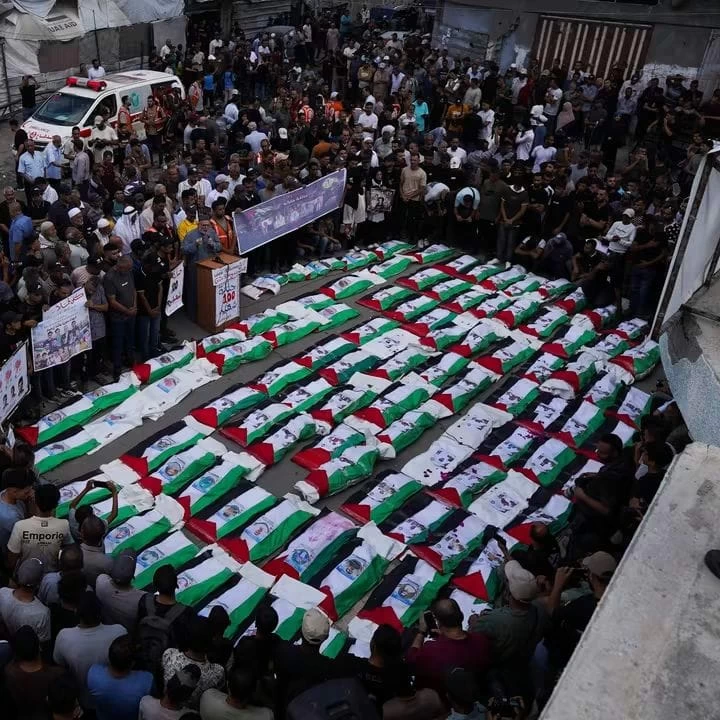
بعد سنوات من بقائهم تحت أنقاض مبانٍ دمرتها الحرب، شيّع أهالي قطاع غزة، اليوم (الأحد)، جثامين 106 قتلى من عائلات ملكة وارحيم وسلمي والبلعاوي، في موكب جنائزي مهيب بحي الزيتون جنوب شرقي مدينة غزة، عقب انتشال جثامين ورفات من تحت الركام.
وجاء التشييع بعدما تمكنت فرق الدفاع المدني من انتشال عشرات الجثامين والرفات من أنقاض منازل مدمرة، في عمليات بحث وإنقاذ تواصلت على مدى أيام، وسط ظروف ميدانية وإنسانية بالغة الصعوبة.
وقال الدفاع المدني في غزة إن طواقمه انتشلت 55 جثماناً ورفاتاً من تحت أنقاض منزل يعود لعائلة ملكة في حي الزيتون، بعدما واصلت فرق الإنقاذ عمليات البحث لثلاثة أيام عن أكثر من 60 مفقوداً من أفراد العائلة.
وأوضح العقيد محمد أبو دان، المشرف على مشروع انتشال جثامين القتلى، أن معظم جثامين أفراد العائلة جرى انتشالها، تمهيداً لمواراتها الثرى في موكب جنائزي موحد مطلع الأسبوع القادم.
في غزة
صعوبة الوصول إلى المفقودين
وتكشف عمليات انتشال الجثامين حجم التحديات التي تواجه فرق الدفاع المدني في قطاع غزة، إذ لا تزال أعداد من المفقودين تحت أنقاض المباني التي دُمرت خلال الحرب، بينما تعيق قلة المعدات والآليات الثقيلة عمليات البحث والوصول إلى الضحايا.
وقال أبو دان إن فرق الإنقاذ تواجه صعوبات كبيرة خلال عمليات البحث والانتشال، في ظل نقص حاد في المعدات المتخصصة والآليات الثقيلة اللازمة لرفع كميات الركام والوصول إلى المفقودين.
وتتطلب عمليات انتشال العالقين تحت الأنقاض معدات هندسية متخصصة، فضلاً عن القدرة على إزالة كميات كبيرة من الركام بصورة تدريجية لتجنب انهيارات إضافية قد تعرض فرق الإنقاذ للخطر أو تتسبب في فقدان آثار الضحايا.
ملف المفقودين لا يزال مفتوحاً
ولا تقتصر عمليات البحث على انتشال الجثامين التي يمكن الوصول إليها، إذ تمثل أنقاض المنازل والمباني المدمرة ملفاً إنسانياً لا يزال مفتوحاً في القطاع، مع استمرار البحث عن أشخاص فقدوا خلال العمليات العسكرية ولم تتمكن عائلاتهم من معرفة مصيرهم.
ويحمل انتشال الجثامين بعد فترات طويلة تحت الركام بعداً إنسانياً بالغاً بالنسبة إلى الأسر، التي تنتظر التعرف على مصير ذويها ودفنهم بصورة تتيح لها إغلاق واحد من أكثر فصول الحرب قسوة.
ومع استمرار أعمال رفع الأنقاض والبحث عن المفقودين، تواجه فرق الدفاع المدني مهمة شاقة في التعامل مع الدمار الواسع، في وقت يبقى فيه نقص المعدات الثقيلة والمتخصصة أحد أبرز العوائق أمام تسريع عمليات الانتشال والوصول إلى من لا يزالون تحت الركام.
After years of being buried under the rubble of buildings destroyed by war, the people of the Gaza Strip today (Sunday) held a funeral procession for the bodies of 106 victims from the Malika, Warheim, Salmi, and Balawi families, in a grand funeral march in the Zeitoun neighborhood southeast of Gaza City, following the recovery of bodies and remains from under the debris.
The funeral came after civil defense teams managed to recover dozens of bodies and remains from the rubble of destroyed homes, in search and rescue operations that continued for several days amidst extremely difficult field and humanitarian conditions.
The civil defense in Gaza stated that its crews recovered 55 bodies and remains from under the rubble of a house belonging to the Malika family in the Zeitoun neighborhood, after rescue teams continued their search operations for three days for more than 60 missing family members.
Colonel Mohamed Abu Dan, supervisor of the project to recover the bodies of the deceased, explained that most of the family members' bodies have been recovered, in preparation for their burial in a unified funeral procession early next week.
في غزة
The Difficulty of Reaching the Missing
The operations to recover the bodies reveal the extent of the challenges facing civil defense teams in the Gaza Strip, as there are still numbers of missing persons under the rubble of buildings that were destroyed during the war, while a lack of equipment and heavy machinery hinders search operations and access to the victims.
Abu Dan stated that rescue teams face significant difficulties during search and recovery operations, amid a severe shortage of specialized equipment and heavy machinery necessary to lift large amounts of rubble and reach the missing.
Recovering those trapped under the rubble requires specialized engineering equipment, as well as the ability to gradually remove large quantities of debris to avoid additional collapses that could endanger rescue teams or cause the loss of traces of the victims.
The Missing Persons File Remains Open
The search operations are not limited to recovering bodies that can be accessed, as the rubble of destroyed homes and buildings represents a humanitarian file that remains open in the sector, with the search continuing for individuals who went missing during military operations and whose families have been unable to ascertain their fate.
The recovery of bodies after long periods under the rubble carries profound humanitarian significance for families, who are waiting to learn the fate of their loved ones and to bury them in a manner that allows them to close one of the harshest chapters of the war.
As the work of clearing the rubble and searching for the missing continues, civil defense teams face a daunting task in dealing with the extensive destruction, while the shortage of heavy and specialized equipment remains one of the most prominent obstacles to accelerating recovery operations and reaching those still trapped under the rubble.