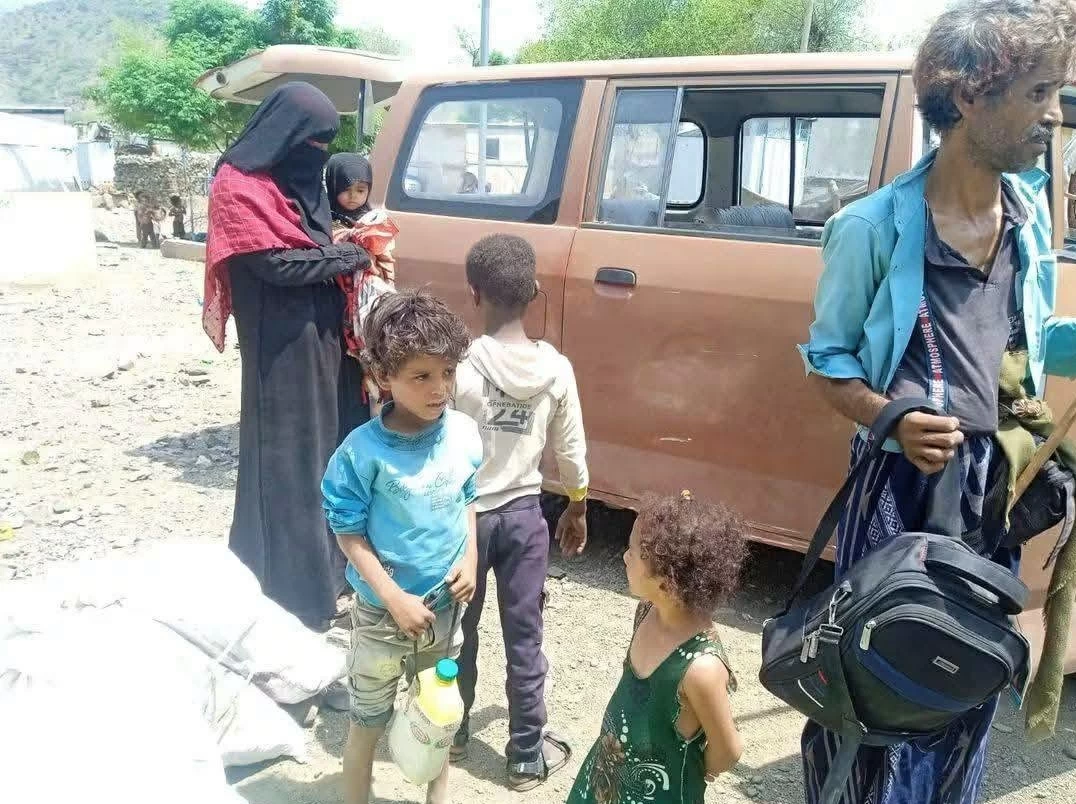
في ظل التصعيد الحوثي المستمر في محافظتي تعز والحديدة غرب اليمن، كشفت الأمم المتحدة عن نزوح نحو 1790 أسرة يمنية خلال يومين.
وذكر تقرير أصدره مكتب الأمم المتحدة لتنسيق الشؤون الإنسانية أن تجدد الاشتباكات والقصف المدفعي منذ فجر يوم 3 سبتمبر 2026 على طول مناطق خطوط المواجهة في مديريتي مقبنة وجبل حبشي بمحافظة تعز أدى إلى موجات نزوح واسعة النطاق من مواقع استضافة النازحين والقرى المجاورة، موضحاً أن معظم الأسر النازحة تنتقل داخل مديريتي مقبنة وجبل حبشي، بينما تصل أسر أخرى إلى مديريات المعافر، والشمايتين، وموزع، والذباب.
ولفت إلى أنه أبلغ بإخلاء مواقع كاملة للنازحين داخلياً، بما في ذلك مواقع الحجب، والراجحي، مما تسبب في حركة نزوح ثانوي واسعة النطاق، مشيراً إلى أن القصف المستمر يتسبب في تقييد قدرة الأسر على الانتقال إلى مناطق أكثر أماناً، ولا تزال بعض الأسر عالقة في مناطق خطوط المواجهة.
جانب من النزوح في محافظة تعز
من جانبها، أطلقت الحكومة اليمنية اليوم نداء استغاثة عاجلاً للجهات الدولية والإقليمية جراء التدهور السريع للوضع الإنساني الناتج عن تجدد الاشتباكات والتصعيد العسكري الحوثي في محافظتي تعز والحديدة. واتهمت وزارة التخطيط والتعاون الدولي اليمنية الحوثيين باستهداف مناطق سكنية ومواقع لإيواء النازحين في مديريات عدة؛ شملت (المخا، مقبنة، جبل حبشي، موزع، المعافر، الوازعية، وذوباب) بمحافظة تعز، إضافة إلى مديريتي (الخوخة وحيس) بمحافظة الحديدة، ما أسفر عن حركة نزوح قسري واسعة وإخلاء للمدنيين من منازلهم.
وقالت الوزارة إن استمرار وتصاعد الهجمات يتطلب تدخلاً إنسانياً فورياً وشاملاً للتخفيف من معاناة المتضررين، من خلال تقديم الأولويات والحاجات العاجلة في توفير المأوى الطارئ وتوزيع السلال الغذائية للأسر النازحة، وإرسال الأدوية، والإسراع في إنشاء مستشفيات ميدانية لعلاج الجرحى، إضافة إلى توفير المياه الصالحة للشرب وخدمات الإصحاح البيئي لمنع تفشي الأمراض داخل مخيمات النازحين، وطالبت وزارة التخطيط اليمنية كافة المنظمات الدولية والأممية والشركاء الإنسانيين والمانحين بتنفيذ استجابة سريعة وتنسيق الجهود مع الجهات الحكومية والسلطات المحلية، مشددة على ضرورة ضمان الوصول الآمن وغير المشروط للمساعدات الإغاثية والمواد الطبية والكوادر الصحية إلى المناطق المتضررة بشكل عاجل.
In light of the ongoing Houthi escalation in the provinces of Taiz and Al Hudaydah in western Yemen, the United Nations revealed the displacement of approximately 1,790 Yemeni families within two days.
A report issued by the United Nations Office for the Coordination of Humanitarian Affairs stated that the renewed clashes and artillery shelling since the dawn of September 3, 2026, along the front lines in the districts of Maqbana and Jabal Habashi in Taiz province have led to widespread waves of displacement from the hosting sites for the displaced and neighboring villages. It clarified that most of the displaced families are moving within the districts of Maqbana and Jabal Habashi, while other families are reaching the districts of Al Maafir, Al Shimaytin, Mawza, and Al Dhubab.
It pointed out that it has been reported that entire sites for internally displaced persons have been evacuated, including the Al Hujb and Al Rajhi sites, which has caused a large-scale secondary displacement movement. It noted that the ongoing shelling is restricting families' ability to move to safer areas, and some families remain trapped in the front line areas.
جانب من النزوح في محافظة تعز
For its part, the Yemeni government today issued an urgent appeal to international and regional entities due to the rapid deterioration of the humanitarian situation resulting from the renewed clashes and Houthi military escalation in the provinces of Taiz and Al Hudaydah. The Yemeni Ministry of Planning and International Cooperation accused the Houthis of targeting residential areas and sites for hosting displaced persons in several districts, including (Al Mokha, Maqbana, Jabal Habashi, Mawza, Al Maafir, Al Waziyah, and Al Dhubab) in Taiz province, in addition to the districts of (Al Khawkhah and Hays) in Al Hudaydah province, resulting in widespread forced displacement and evacuation of civilians from their homes.
The ministry stated that the continuation and escalation of attacks require immediate and comprehensive humanitarian intervention to alleviate the suffering of the affected, by prioritizing urgent needs such as providing emergency shelter, distributing food baskets to displaced families, sending medicines, and expediting the establishment of field hospitals to treat the injured, in addition to providing safe drinking water and environmental sanitation services to prevent the spread of diseases within the displacement camps. The Yemeni Ministry of Planning called on all international and UN organizations, humanitarian partners, and donors to implement a rapid response and coordinate efforts with government entities and local authorities, emphasizing the need to ensure safe and unconditional access to relief aid, medical supplies, and health personnel to the affected areas urgently.