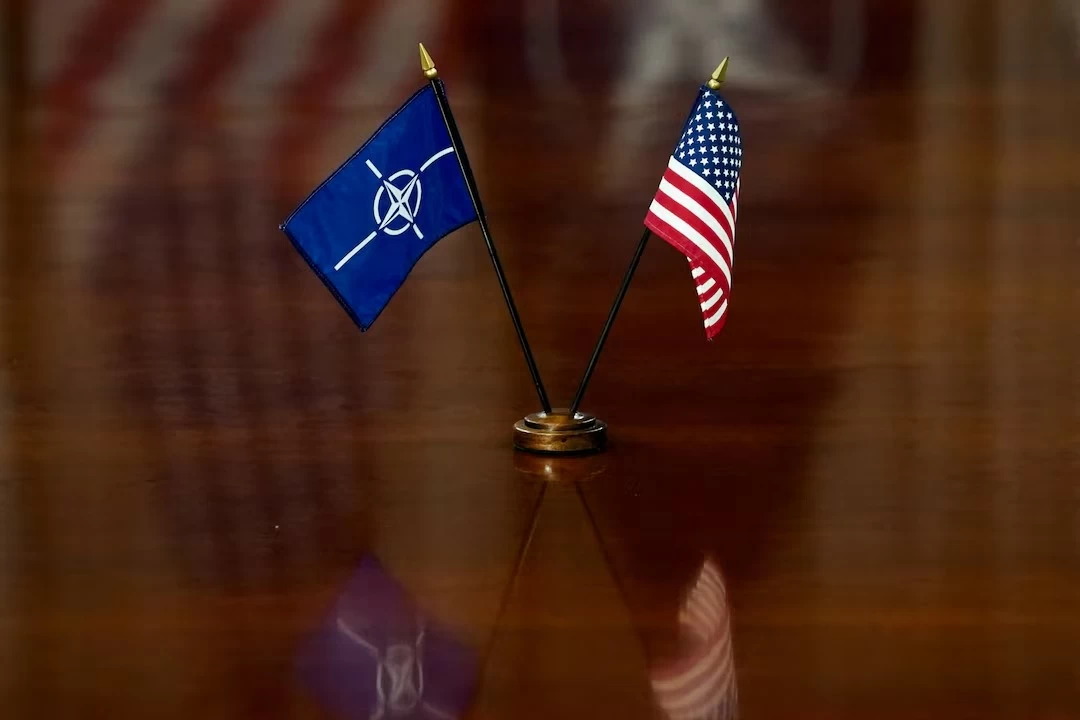
كشفت وسائل إعلام غربية أن البنتاغون يعتزم إعداد ما لا يقل عن أربع مجموعات من الخيارات المتعلقة بمستقبل انتشار القوات الأمريكية في أوروبا، لعرضها على وزير الدفاع بيت هيغسيث بحلول السادس من نوفمبر القادم، أي قبل أكثر من شهر من الموعد النهائي المقرر لاستكمال المراجعة في ديسمبر.
وتثير المراجعة الأمريكية، التي أُعلن عنها في يونيو وتستمر ستة أشهر، مخاوف متزايدة بين حلفاء واشنطن في حلف شمال الأطلسي «الناتو»، وسط خشية من أن تفضي إلى خفض واسع النطاق للقوات الأمريكية المنتشرة في أوروبا، والتي يبلغ قوامها نحو 80 ألف جندي.
كما يخشى بعض الحلفاء أن تستخدم إدارة الرئيس دونالد ترمب المراجعة لمعاقبة دول أوروبية يرى أنها لم تقدم الدعم الكافي للولايات المتحدة وإسرائيل خلال الحرب مع إيران.
خيارات متعددة أمام وزير الدفاع
وتكشف وثيقة «شروط المراجعة» التي تحدد الإطار الذي سيعمل البنتاغون بموجبه، للمرة الأولى، تفاصيل العملية والمعايير التي ستستخدم لتقييم القواعد والانتشار العسكري الأمريكي في مختلف أنحاء أوروبا.
ومن أبرز ما تتضمنه الوثيقة أن القائد الأعلى للقوات الأمريكية في أوروبا سيشارك، بحلول 18 سبتمبر، في جلسة إحاطة لاتخاذ القرار مع كبير مسؤولي السياسة في البنتاغون إلبريدج كولبي.
ومن المتوقع أن تشكل تلك الجلسة محطة رئيسية في تحديد مجموعة الخيارات التي ستُرفع لاحقاً إلى هيغسيث.
وقال مسؤول بارز في البنتاغون إن إعداد مجموعة واسعة من الخيارات التفصيلية يعكس جدية المراجعة، موضحاً أن الإدارة تريد أن تكون قادرة على مناقشة إيجابيات وسلبيات مستويات مختلفة من القوات وترتيبات انتشارها.
لكن من غير الواضح ما إذا كانت هذه التفاصيل ستبدد مخاوف المسؤولين الأوروبيين، الذين يقول بعضهم في أحاديث خاصة إن القرار الأمريكي بشأن خفض القوات قد يكون محسوماً بالفعل.
البنتاغون.
واشنطن تريد من أوروبا تحمل عبء أكبر
ولطالما أشارت إدارة ترمب إلى نيتها تقليص الموارد العسكرية التي تخصصها الولايات المتحدة لأوروبا، مع توقع أن يتحمل حلفاء الناتو حصة أكبر من مسؤولية الدفاع الجماعي مقارنة بما كان عليه الوضع تاريخياً.
كما أعرب ترمب مراراً عن استيائه من اعتماد دول أوروبية أعضاء في الناتو على الضمانات الأمنية الأمريكية، مقابل ما يراه دعماً غير كافٍ خلال الحرب مع إيران.
وتشمل الانتقادات الأمريكية اتهام بعض الحلفاء بالتأخر في منح الطائرات الحربية الأمريكية حقوق استخدام القواعد الجوية والمجال الجوي أو فرض قيود على هذا الاستخدام.
وفي المقابل، أبدى الأمين العام لحلف الناتو مارك روته قدراً من التفهم لإحباط ترمب، لكنه أكد أن الغالبية العظمى من الدول الأوروبية قدمت الدعم المطلوب.
وقال مسؤول البنتاغون إن إدارة ترمب أوضحت أن الولايات المتحدة تتجه نحو مرحلة تقدم فيها «دعماً حاسماً، لكنه أكثر محدودية، بينما يتولى الحلفاء زمام المبادرة».
وأضاف أن استياء ترمب من سلوك بعض الحلفاء خلال الأشهر الأخيرة يمثل عاملاً يدفع نحو إعداد خيارات تتضمن خفض مستوى القوات الأمريكية في أوروبا، مع التأكيد في الوقت نفسه على أن المراجعة تهدف إلى توفير مجموعة واسعة من البدائل، بدءاً من الوضع الحالي وصولاً إلى النتائج التي ستخلص إليها الدراسة.
هيغسيث ينتقد «المتطفلين» داخل «الناتو»
وعند الإعلان عن المراجعة في يونيو، انتقد هيغسيث ما وصفه باعتماد بعض حلفاء الناتو على الولايات المتحدة دون تحمل نصيبهم العادل من الأعباء، مؤكداً أن المراجعة ستعمل على ضمان وضوح ترتيبات وصول القوات الأمريكية إلى القواعد وحقوق التمركز والتحليق فوق أراضي الدول الحليفة.
لكن وثيقة المراجعة توسع نطاق التقييم ليشمل أكثر من مجرد حقوق الوصول والقواعد والتحليق، المعروفة اختصاراً بـABO.
ووفقاً للوثيقة، سيبحث البنتاغون أيضاً في البنية التحتية الخاصة بالفضاء والفضاء الإلكتروني والاستخبارات، والتي تتيح للولايات المتحدة الحفاظ على قدرتها على إسقاط قوتها العسكرية على المستوى العالمي.
وقال المسؤول البارز في البنتاغون إن توسيع مفهوم «الوصول والتمركز والتحليق» يهدف إلى احتساب مختلف أشكال الدعم التي يقدمها حلفاء الناتو للولايات المتحدة.
الإنفاق الدفاعي وقدرات «الناتو» تحت المجهر
وستشمل عملية التقييم أيضاً مدى قدرة الدول الحليفة على الوفاء بتعهداتها المتعلقة بالإنفاق الدفاعي داخل الناتو، فضلاً عن قدرتها على سد الثغرات في قوات الاستجابة للأزمات التابعة للحلف، والمعروفة باسم نموذج قوات الناتو، خصوصاً بعد إعلان الولايات المتحدة خفض قواتها في وقت سابق من العام.
وكانت تقارير إعلامية كشفت في وقت سابق استبياناً أمريكياً أُرسل إلى الدول الحليفة للمساعدة في المراجعة، ويتناول مجموعة واسعة من الملفات، من بينها الإنفاق الدفاعي والإستراتيجية والمشتريات العسكرية ومدى دعم أولويات السياسة الخارجية الأمريكية.
وتضمن الاستبيان أسئلة حول القيود التي تفرضها الدول على وصول القوات الأمريكية أو تمركزها أو تحليقها فوق أراضيها، وما إذا كانت مستعدة لتقليص هذه القيود أو إلغائها.
كما سأل البنتاغون الدول الحليفة عما إذا كانت قد عارضت علناً تشريعات أو إجراءات من شأنها الحد من التعاون الصناعي الدفاعي عبر الأطلسي، وما إذا كانت مستعدة لاتخاذ موقف مختلف مستقبلاً، ومن المقرر أن تقدم الدول ردودها على الاستبيان بحلول يوم الجمعة.
مراجعة سريعة وسط مستقبل غامض
وقال المسؤول الأمريكي إن البنتاغون يعمل «بجد شديد» ضمن جدول زمني ضيق نسبياً، لكنه أشار إلى أن كماً كبيراً من التحليلات السابقة سيكون متاحاً للاستفادة منه، ما سيسمح بتسريع عملية إعداد الخيارات.
وتراقب العواصم الأوروبية المراجعة عن كثب، في ظل مخاوف من أن يؤدي خفض الوجود العسكري الأمريكي إلى تغيير كبير في ميزان المسؤوليات داخل الناتو.
وفي حال انتهت المراجعة إلى تقليص ملموس للقوات الأمريكية أو إعادة توزيعها، فقد يمثل ذلك تحولاً مهماً في طبيعة الدور العسكري الأمريكي في أوروبا، ويضع الحلفاء أمام اختبار جديد بشأن مدى قدرتهم على تحمل مسؤوليات دفاعية أكبر في وقت تتصاعد فيه التوترات الأمنية على جانبي الأطلسي.
Western media has revealed that the Pentagon intends to prepare at least four groups of options regarding the future deployment of U.S. forces in Europe, to present to Defense Secretary Pete Hegseth by November 6, which is more than a month before the scheduled deadline for completing the review in December.
The American review, announced in June and lasting six months, raises increasing concerns among Washington's allies in NATO, amid fears that it could lead to a widespread reduction of U.S. forces deployed in Europe, which number around 80,000 troops.
Some allies also fear that the Trump administration will use the review to punish European countries that it sees as not providing sufficient support to the United States and Israel during the war with Iran.
Multiple options for the Defense Secretary
The "Terms of Review" document, which outlines the framework under which the Pentagon will operate, reveals for the first time details of the process and the criteria that will be used to evaluate U.S. military bases and deployments across Europe.
Among the key points included in the document is that the Supreme Commander of U.S. forces in Europe will participate, by September 18, in a decision-making briefing with the Pentagon's chief policy official, Elbridge Colby.
This session is expected to be a key milestone in determining the set of options that will later be submitted to Hegseth.
A senior Pentagon official stated that preparing a wide range of detailed options reflects the seriousness of the review, explaining that the administration wants to be able to discuss the pros and cons of different levels of forces and their deployment arrangements.
However, it is unclear whether these details will alleviate the concerns of European officials, some of whom privately say that the U.S. decision regarding troop reductions may already be predetermined.
البنتاغون.
Washington wants Europe to bear a greater burden
The Trump administration has long indicated its intention to reduce the military resources that the United States allocates to Europe, expecting NATO allies to take on a larger share of collective defense responsibilities compared to historical levels.
Trump has repeatedly expressed his frustration with European NATO members' reliance on American security guarantees, in exchange for what he sees as insufficient support during the war with Iran.
American criticisms include accusations that some allies have delayed granting U.S. warplanes rights to use air bases and airspace or imposed restrictions on this use.
In contrast, NATO Secretary General Mark Rutte has shown some understanding of Trump's frustration but emphasized that the vast majority of European countries have provided the required support.
The Pentagon official stated that the Trump administration has made it clear that the United States is moving towards a phase where it provides "critical but more limited support, while allies take the lead."
He added that Trump's dissatisfaction with the behavior of some allies in recent months is a factor driving the preparation of options that include reducing the level of U.S. forces in Europe, while also emphasizing that the review aims to provide a wide range of alternatives, from the current situation to the outcomes of the study.
Hegseth criticizes "free riders" within NATO
When announcing the review in June, Hegseth criticized what he described as some NATO allies' reliance on the United States without bearing their fair share of the burdens, asserting that the review will ensure clarity regarding U.S. forces' access arrangements to bases and rights of stationing and flying over allied countries' territories.
However, the review document expands the scope of evaluation to include more than just access rights, bases, and flying, known collectively as ABO.
According to the document, the Pentagon will also examine infrastructure related to space, cyberspace, and intelligence, which enables the United States to maintain its ability to project military power globally.
The senior Pentagon official stated that expanding the concept of "access, stationing, and flying" aims to account for the various forms of support that NATO allies provide to the United States.
Defense spending and NATO capabilities under scrutiny
The evaluation process will also include the ability of allied countries to meet their defense spending commitments within NATO, as well as their capacity to fill gaps in the alliance's crisis response forces, known as the NATO Force Model, especially after the United States announced a reduction of its forces earlier in the year.
Media reports had previously revealed a U.S. survey sent to allied countries to assist in the review, addressing a wide range of issues, including defense spending, strategy, military procurement, and the extent of support for U.S. foreign policy priorities.
The survey included questions about the restrictions imposed by countries on U.S. forces' access, stationing, or flying over their territories, and whether they were willing to reduce or eliminate these restrictions.
The Pentagon also asked allied countries whether they had publicly opposed legislation or actions that would limit transatlantic defense industrial cooperation, and whether they were willing to take a different stance in the future, with countries expected to submit their responses to the survey by Friday.
Rapid review amid an uncertain future
The U.S. official stated that the Pentagon is working "very hard" within a relatively tight timeline, but noted that a large amount of prior analysis will be available for use, which will allow for the acceleration of the options preparation process.
European capitals are closely monitoring the review, amid fears that a reduction in U.S. military presence could lead to a significant shift in the balance of responsibilities within NATO.
If the review results in a substantial reduction of U.S. forces or their redistribution, it could represent a significant shift in the nature of the U.S. military role in Europe, putting allies to the test regarding their ability to take on greater defensive responsibilities at a time when security tensions are rising on both sides of the Atlantic.