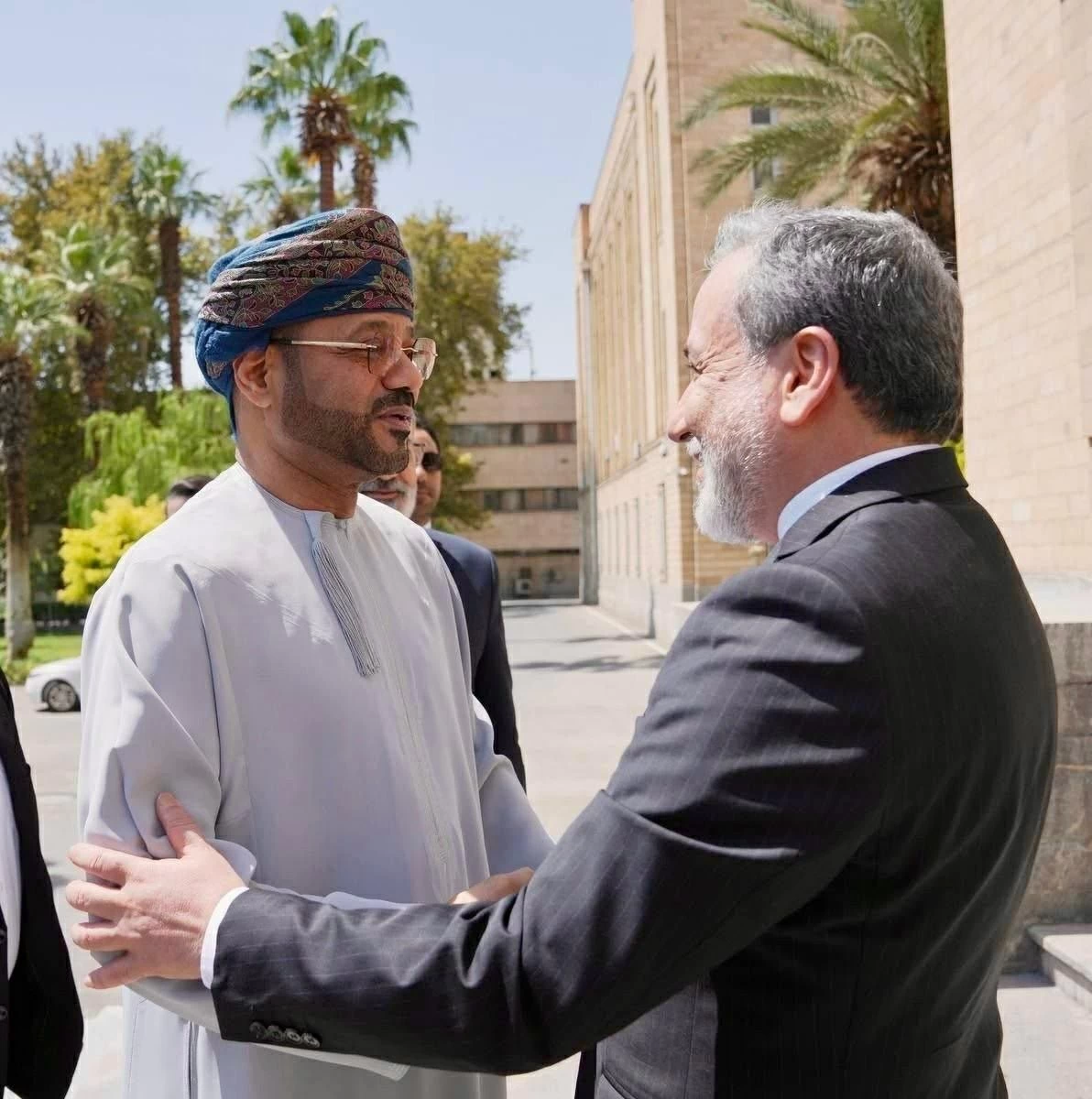
قدمت عُمان وإيران اليوم (الثلاثاء)، مقترحات جديدة لاستئناف الملاحة الآمنة عبر مضيق هرمز بما يصون سيادتهما وحقوقهما السيادية.
وذكر بيان مشترك صادر عن وزير خارجية سلطنة عمان ونشرته وكالة الأنباء العمانية أن وزير الخارجية بدر بن حمد البوسعيدي عقد مع نظيره الإيراني عباس عراقجي في طهران مشاورات بناءة، مبينة أن المشاورات ركزت على الأهمية التي يوليها البلدان لاستئناف الملاحة الآمنة عبر مضيق هرمز بما يصون سيادتهما وحقوقهما السيادية.
وناقش الوزيران إطارًا مرحليًا من شأنه أن يوفر أساسًا عمليًا وقابلًا للتنفيذ، في ضوء الوضع الراهن في المضيق الناجم عن الحرب الأخيرة وتداعياتها المأساوية، ويتضمن الإطار المقترح إنشاء ممر ملاحي مؤقت مشترك عبر مضيق هرمز، والاتفاق على تنفيذ مشروع مشترك لتطهير المضيق من الألغام.
وأوضح البيان أن المفاوضات الفنية بين الجانبين ستتواصل بهدف التوصل إلى اتفاق بشأن ممر ملاحي دائم والترتيبات المستقبلية لإدارة المضيق، إلى جانب وضع آلية لتبادل المعلومات وإدارة حركة الملاحة وتوفير الخدمات الملاحية والأمنية ذات الصلة.
وأكد الجانبان على أهمية عقد مفاوضات مشتركة مع دول المنطقة المطلة على مياه الخليج، مشددين على ضرورة الالتزام بأحكام القانون الدولي واحترام الحقوق السيادية للدول الساحلية.
من جهته، أعلن وزير الخارجية العُماني بدر البوسعيدي أنه أجرى حواراً بناءً في طهران مع نظيره الإيراني عباس عراقجي. وقال في منشور على منصة «إكس»: «أنا متفائل بأننا سنعلن قريباً عن ممر مؤقت لمضيق هرمز وترتيبات عملية لاستعادة الملاحة الآمنة»، مضيفاً: «ستأتي الإدارة المستقبلية للمضيق والحل الدائم في الوقت المناسب، وفقاً للمادة الخامسة من مذكرة إسلام آباد».
وأشار إلى أنه ستُجرى مناقشات مع الشركاء الإقليميين دعماً للسلام والتعاون والاستقرار وحرية الملاحة.»
من جهة أخرى، بحث وزير الخارجية المصري بدر عبد العاطي، اليوم، مع المبعوث الأمريكي الخاص للشرق الأوسط ستيف ويتكوف تطورات الأوضاع في المنطقة وجهود احتواء التوتر.
وذكر بيان صادر عن وزارة الخارجية المصرية أن عبد العاطي أكد خلال الاتصال على «أهمية تكثيف الجهود الإقليمية والدولية لخفض التصعيد ومنع اتساع دائرة الصراع، مشددًا على ضرورة تغليب الحلول السياسية والدبلوماسية والحوار لمعالجة الأزمات الراهنة، بما يسهم في تجنيب المنطقة المزيد من التوتر وعدم الاستقرار، ويحفظ أمن ومصالح دولها وشعوبها».
وأكد وزير الخارجية المصري، بحسب البيان، «أهمية الالتزام بمذكرة التفاهم الأمريكية ـ الإيرانية وتنفيذ ما تضمنته من تفاهمات، بوصفها خطوة بناءة نحو خفض حدة التوترات، وتعزيز الأمن والاستقرار في الشرق الأوسط».
وشدد وزير الخارجية المصري على «ضرورة ضمان حرية وأمن وسلامة الملاحة وعدم عرقلة حركة السفن، والالتزام بقواعد القانون الدولي ذات الصلة»، مؤكدًا على ما تمثله حرية الملاحة من أهمية بالغة للتجارة الدولية وسلاسل الإمداد وأمن الطاقة، وضرورة تجنيب الممرات المائية الدولية تداعيات التصعيد والتوترات الإقليمية.
وكان مسؤول في البيت الأبيض قال في تصريحات صحفية إنه لا محادثات ولا نقاشات قائمة أو مجدولة مع إيران، موضحًا أن الحصار البحري يظل مفروضًا بقوة وفاعلية، ومضيق هرمز مفتوح والألغام البحرية أزيلت أو دُمرت.
Oman and Iran today (Tuesday) presented new proposals to resume safe navigation through the Strait of Hormuz while preserving their sovereignty and sovereign rights.
A joint statement issued by the Foreign Minister of the Sultanate of Oman and published by the Oman News Agency indicated that Foreign Minister Badr bin Hamad al-Busaidi held constructive consultations with his Iranian counterpart Abbas Araghchi in Tehran, highlighting that the discussions focused on the importance both countries place on resuming safe navigation through the Strait of Hormuz while preserving their sovereignty and sovereign rights.
The two ministers discussed a phased framework that would provide a practical and implementable basis, in light of the current situation in the strait resulting from the recent war and its tragic repercussions. The proposed framework includes the establishment of a temporary joint navigation corridor through the Strait of Hormuz and an agreement to implement a joint project to clear the strait of mines.
The statement clarified that technical negotiations between the two sides would continue with the aim of reaching an agreement on a permanent navigation corridor and future arrangements for managing the strait, alongside establishing a mechanism for information exchange, managing navigation traffic, and providing related maritime and security services.
Both sides emphasized the importance of conducting joint negotiations with the countries in the region bordering the Gulf waters, stressing the necessity of adhering to the provisions of international law and respecting the sovereign rights of coastal states.
On another note, Egyptian Foreign Minister Badr Abdel Atti discussed today with the U.S. Special Envoy for the Middle East, Steve Hanke, the developments in the region and efforts to contain tensions.
A statement issued by the Egyptian Foreign Ministry indicated that Abdel Atti emphasized during the call the "importance of intensifying regional and international efforts to de-escalate and prevent the widening of the conflict, stressing the necessity of prioritizing political and diplomatic solutions and dialogue to address the current crises, which contributes to sparing the region further tension and instability, and preserving the security and interests of its countries and peoples."
According to the statement, the Egyptian Foreign Minister affirmed the "importance of adhering to the U.S.-Iranian memorandum of understanding and implementing its provisions, as a constructive step towards reducing the intensity of tensions and enhancing security and stability in the Middle East."
The Egyptian Foreign Minister stressed the "necessity of ensuring the freedom, security, and safety of navigation, not obstructing the movement of ships, and adhering to relevant international law," emphasizing the critical importance of freedom of navigation for international trade, supply chains, and energy security, and the need to spare international waterways from the repercussions of escalation and regional tensions.
A White House official stated in press remarks that there are no ongoing or scheduled talks or discussions with Iran, clarifying that the maritime blockade remains firmly and effectively imposed, and the Strait of Hormuz is open with naval mines removed or destroyed.