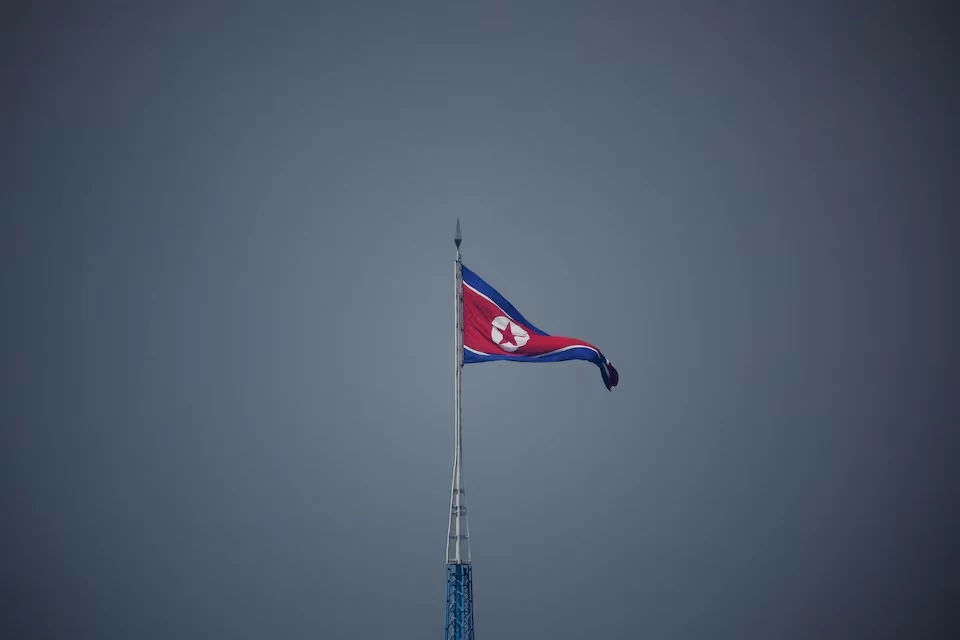
قالت وزارة الدفاع الكورية الجنوبية، إن كوريا الشمالية تواصل استعداداتها لنشر قوات إضافية في روسيا، لكنها لم ترصد حتى الآن مؤشرات على أن عملية نشر جديدة باتت وشيكة.
وجاء التقييم، وفقاً لمكتب النائب الكوري الجنوبي يو يونغ-وون، في وقت تتزايد فيه المخاوف بشأن اتساع نطاق التعاون العسكري بين بيونغ يانغ وموسكو، في ظل استمرار الحرب الروسية في أوكرانيا.
ويأتي ذلك بعد أن نفت كيم يو جونغ، شقيقة الزعيم الكوري الشمالي كيم جونغ أون، الأسبوع الماضي، تصريحات للرئيس الأوكراني فولوديمير زيلينسكي تحدث فيها عن اعتزام بيونغ يانغ إرسال ما يصل إلى 50 ألف جندي إضافي إلى روسيا للمشاركة في الحرب إلى جانب موسكو.
بيونغ يانغ تواصل إمداد موسكو بالأسلحة
وبحسب تقييم وزارة الدفاع الكورية الجنوبية، فإن كوريا الشمالية واصلت تزويد روسيا بأنظمة تسليح، من بينها صواريخ باليستية قصيرة المدى، وفقاً لما نقله مكتب النائب يو عن الوزارة.
وتقدر سول أن بيونغ يانغ زودت روسيا بأكثر من 15 مليون طلقة من ذخائر المدفعية، محسوبة وفق مكافئ قذائف عيار 152 ملم.
وأشار مكتب النائب، نقلاً عن تقييم لوكالة الاستخبارات الدفاعية الكورية الجنوبية، إلى أن الصواريخ الكورية الشمالية المستخدمة في الحرب ربما شهدت تحسناً في دقتها نتيجة الاستفادة من البيانات التي جُمعت من استخدامها في ساحة المعركة، إلى جانب حصول بيونغ يانغ على مشورة تقنية ودعم في المكونات من روسيا.
تطوير صواريخ موجهة ضد كوريا الجنوبية
وكشفت الوزارة أيضاً أن تطوير عدد من الصواريخ الباليستية وأنظمة راجمات الصواريخ المتعددة، التي يُعتقد أنها مخصصة للاستخدام في أي صراع محتمل مع كوريا الجنوبية، يقترب من الاكتمال.
كما تستعد كوريا الشمالية، وفق التقييم نفسه، لإدخال صاروخ هواسونغ-12 الباليستي متوسط المدى إلى الخدمة العملياتية. ويتميز هذا الصاروخ بقدرته على الوصول إلى جزيرة غوام الأمريكية في المحيط الهادئ.
وفيما يتعلق بقدرات بيونغ يانغ العابرة للقارات، قالت وزارة الدفاع الكورية الجنوبية إن الصواريخ الباليستية العابرة للقارات التي تطورها كوريا الشمالية تمتلك من حيث مدى الطيران القدرة على الوصول إلى الأراضي الأمريكية.
لكن سول أكدت أن بعض التقنيات الأساسية المرتبطة بهذه القدرة، وفي مقدمتها قدرة الرأس الحربي على إعادة دخول الغلاف الجوي، لم يتم التحقق منها بصورة كاملة، نظراً إلى أن الاختبارات الصاروخية الكورية الشمالية أجريت حتى الآن وفق مسارات إطلاق شديدة الارتفاع، أو ما يعرف بالمسارات «المقوسة».
تعاون عسكري متزايد بين موسكو وبيونغ يانغ
وتعمقت العلاقات العسكرية بين روسيا وكوريا الشمالية بصورة ملحوظة منذ بدء الغزو الروسي لأوكرانيا في عام 2022.
ووفق تقييمات كورية جنوبية وأوكرانية وغربية، بدأت بيونغ يانغ منذ عام 2023 في تزويد موسكو بكميات كبيرة من ذخائر المدفعية والصواريخ، قبل أن تنتقل في عام 2024 إلى نشر قوات كورية شمالية في روسيا.
ويشير التقييم الكوري الجنوبي الأخير إلى أن التعاون لم يقتصر على نقل الأسلحة والذخائر، بل امتد إلى الاستفادة من الخبرات والبيانات الميدانية الروسية، بما قد يساعد كوريا الشمالية على تحسين أداء بعض منظوماتها الصاروخية.
وفي الوقت نفسه، تواصل بيونغ يانغ تطوير قدراتها الصاروخية والنووية، في وقت تراقب فيه سيول عن كثب أي مؤشرات على تحرك جديد للقوات الكورية الشمالية نحو روسيا.
ورغم استمرار الاستعدادات، فإن أحدث تقييم لوزارة الدفاع الكورية الجنوبية لا يشير إلى وجود مؤشرات على أن نشر قوات إضافية بات وشيكاً.
The South Korean Ministry of Defense stated that North Korea continues its preparations to deploy additional forces in Russia, but has not yet detected any indications that a new deployment is imminent.
This assessment, according to the office of South Korean lawmaker Yoo Young-won, comes at a time when concerns are growing about the expanding military cooperation between Pyongyang and Moscow, amid the ongoing Russian war in Ukraine.
This follows Kim Yo-jong, the sister of North Korean leader Kim Jong-un, denying last week statements made by Ukrainian President Volodymyr Zelensky regarding Pyongyang's intention to send up to 50,000 additional soldiers to Russia to participate in the war alongside Moscow.
Pyongyang Continues to Supply Moscow with Weapons
According to the assessment by the South Korean Ministry of Defense, North Korea has continued to supply Russia with weapon systems, including short-range ballistic missiles, according to what was conveyed by lawmaker Yoo from the ministry.
Seoul estimates that Pyongyang has supplied Russia with more than 15 million rounds of artillery ammunition, calculated in terms of equivalent 152 mm shells.
The lawmaker's office, citing an assessment from the South Korean Defense Intelligence Agency, indicated that the North Korean missiles used in the war may have improved in accuracy due to the utilization of data collected from their use in the battlefield, along with Pyongyang receiving technical advice and support in components from Russia.
Development of Missiles Targeted Against South Korea
The ministry also revealed that the development of several ballistic missiles and multiple rocket launcher systems, believed to be intended for use in any potential conflict with South Korea, is nearing completion.
According to the same assessment, North Korea is preparing to operationalize the Hwasong-12 medium-range ballistic missile. This missile is notable for its ability to reach the U.S. territory of Guam in the Pacific Ocean.
Regarding Pyongyang's intercontinental capabilities, the South Korean Ministry of Defense stated that the intercontinental ballistic missiles being developed by North Korea have the range to reach U.S. territory.
However, Seoul confirmed that some key technologies related to this capability, particularly the warhead's ability to re-enter the atmosphere, have not been fully verified, as North Korean missile tests have so far been conducted along very high launch trajectories, known as "lofted" trajectories.
Increasing Military Cooperation Between Moscow and Pyongyang
Military relations between Russia and North Korea have deepened significantly since the start of the Russian invasion of Ukraine in 2022.
According to South Korean, Ukrainian, and Western assessments, Pyongyang began supplying Moscow with large quantities of artillery and missile ammunition starting in 2023, before moving in 2024 to deploy North Korean forces in Russia.
The latest South Korean assessment indicates that cooperation has not been limited to the transfer of weapons and ammunition but has extended to benefiting from Russian field expertise and data, which may help North Korea improve the performance of some of its missile systems.
At the same time, Pyongyang continues to develop its missile and nuclear capabilities, while Seoul closely monitors any signs of a new movement of North Korean forces toward Russia.
Despite ongoing preparations, the latest assessment from the South Korean Ministry of Defense does not indicate any signs that the deployment of additional forces is imminent.