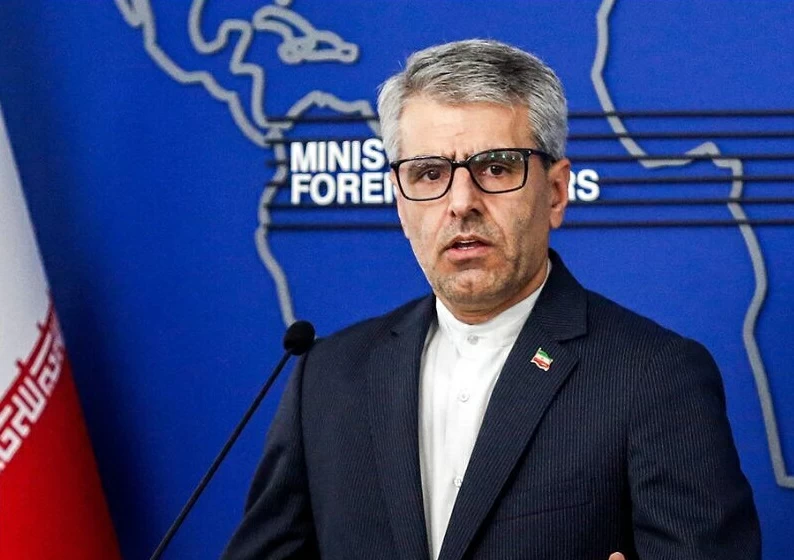
صعّدت إيران خلافها الدبلوماسي مع فرنسا، بإعلانها طرد دبلوماسيين فرنسيين ومنعهما من العودة إلى أراضيها، متهمة سفارة باريس في طهران بتجاوز مهامها الدبلوماسية والتدخل في الشؤون الداخلية، في خطوة جاءت بعد أيام من إعلان فرنسا طرد دبلوماسيين إيرانيين رداً على واقعة توقيف واستجواب موظفين في السفارة الفرنسية بطهران.
وقال المتحدث باسم وزارة الخارجية الإيرانية إسماعيل بقائي، خلال مؤتمر صحفي مشترك مع رئيس منظمة الشؤون الاجتماعية الإيرانية، إن طهران اتخذت إجراءاتها بعدما رأت أن السفارة الفرنسية في طهران «تجاوزت نطاق مسؤولياتها» وما تنص عليه اتفاقية فيينا للعلاقات الدبلوماسية.
وأوضح بقائي أن السلطات الإيرانية أبلغت رسمياً بأن اثنين من الدبلوماسيين الفرنسيين ارتكبا «أفعالاً مخالفة» تستوجب مغادرتهما البلاد، مؤكداً أنه لن يُسمح لهما بالعودة إلى إيران.
وأضاف أن طهران اعتبرت أن تصرفات السفارة الفرنسية تمثل «تدخلاً في الشؤون الداخلية»، مشدداً على أن العلاقات بين البلدين يجب أن تقوم على الاحترام المتبادل وعدم التدخل في الشؤون الداخلية.
رد فرنسي وتصعيد متبادل
وجاءت الخطوة الإيرانية في سياق تصعيد دبلوماسي بدأ على خلفية واقعة تعود إلى يوليو الماضي، عندما أوقفت السلطات الإيرانية موظفين اثنين في السفارة الفرنسية بطهران، قبل أن تمنعهما لاحقاً من العودة إلى البلاد.
وتقول طهران إن الموظفين الفرنسيين انخرطا في أنشطة اعتبرتها مخالفة للأعراف الدبلوماسية، فيما نفت باريس هذه الاتهامات واعتبرت الإجراءات الإيرانية غير مبررة.
وردت فرنسا بإعلان وزير الخارجية جان نويل بارو، في 18 أغسطس الجاري، قرار بلاده إعلان اثنين من موظفي السفارة الإيرانية في فرنسا شخصين غير مرغوب فيهما، استناداً إلى المادة التاسعة من اتفاقية فيينا للعلاقات الدبلوماسية. وقالت باريس إن القرار جاء رداً على ما وصفته باعتداء خطير تعرض له موظفان في السفارة الفرنسية لدى إيران في 19 يوليو.
وتتهم فرنسا السلطات الإيرانية باحتجاز الموظفين الفرنسيين والتعامل معهما بصورة تنتهك الحصانة الدبلوماسية، بينما تقول طهران إنهما تورطا في أنشطة تتجاوز طبيعة عملهما الدبلوماسي. وبذلك دخل البلدان في مسار من الإجراءات المتبادلة بحق العاملين في بعثتيهما، في مؤشر جديد على تدهور العلاقات بين باريس وطهران.
خلاف يتجاوز حدود التمثيل الدبلوماسي
ولا تقتصر الأزمة الحالية على تبادل طرد الدبلوماسيين، إذ تتداخل مع خلافات أوسع بين إيران ودول غربية بشأن طبيعة الأنشطة الثقافية والمجتمعية التي تنفذها البعثات الأجنبية داخل إيران.
وكانت السلطات الإيرانية قد أعلنت في وقت سابق توقيف موظفين فرنسيين في طهران، واتهمتهما بالمشاركة في اجتماع مع أشخاص يخضعون لتحقيقات أمنية، بينما قالت باريس إن الموظفين كانا يعملان في إطار برامج لدعم الفنانين والباحثين والمجتمع المدني الإيراني.
وتأتي هذه التطورات في وقت تشهد فيه العلاقات الإيرانية الأوروبية توتراً متزايداً على خلفية ملفات عدة، من بينها البرنامج النووي الإيراني والعقوبات الغربية وحقوق الإنسان والأنشطة الإيرانية في المنطقة، ما يجعل أي تصعيد دبلوماسي جديد قابلاً للتأثير في قنوات التواصل بين الجانبين.
Iran escalated its diplomatic dispute with France by announcing the expulsion of French diplomats and their prohibition from returning to its territory, accusing the Paris embassy in Tehran of exceeding its diplomatic duties and interfering in internal affairs. This step came days after France announced the expulsion of Iranian diplomats in response to the detention and questioning of employees at the French embassy in Tehran.
Iranian Foreign Ministry spokesman Ismail Baqaei stated during a joint press conference with the head of the Iranian Social Affairs Organization that Tehran took its measures after observing that the French embassy in Tehran "exceeded the scope of its responsibilities" as stipulated by the Vienna Convention on Diplomatic Relations.
Baqaei clarified that Iranian authorities officially informed that two French diplomats committed "violations" that necessitated their departure from the country, emphasizing that they would not be allowed to return to Iran.
He added that Tehran considered the actions of the French embassy to represent "interference in internal affairs," stressing that relations between the two countries should be based on mutual respect and non-interference in internal matters.
French Response and Mutual Escalation
The Iranian step came as part of a diplomatic escalation that began following an incident in July, when Iranian authorities detained two employees of the French embassy in Tehran, later prohibiting them from returning to the country.
Tehran claims that the French employees engaged in activities deemed contrary to diplomatic norms, while Paris denied these accusations and considered the Iranian actions unjustified.
France responded by announcing Foreign Minister Jean-Noël Barrot's declaration on August 18, stating that his country had declared two employees of the Iranian embassy in France as undesirable persons, based on Article 9 of the Vienna Convention on Diplomatic Relations. Paris stated that the decision was in response to what it described as a serious assault on two employees of the French embassy in Iran on July 19.
France accuses Iranian authorities of detaining the French employees and dealing with them in a manner that violates diplomatic immunity, while Tehran claims they were involved in activities beyond their diplomatic duties. Thus, the two countries entered a cycle of reciprocal measures against their mission staff, indicating a further deterioration in relations between Paris and Tehran.
A Dispute Beyond Diplomatic Representation
The current crisis is not limited to the exchange of expulsions of diplomats, as it intertwines with broader disputes between Iran and Western countries regarding the nature of cultural and social activities carried out by foreign missions within Iran.
Iranian authorities had previously announced the detention of French employees in Tehran, accusing them of participating in a meeting with individuals under security investigations, while Paris stated that the employees were working within programs to support Iranian artists, researchers, and civil society.
These developments come at a time when Iranian-European relations are experiencing increasing tension over several issues, including the Iranian nuclear program, Western sanctions, human rights, and Iranian activities in the region, making any new diplomatic escalation likely to impact communication channels between the two sides.