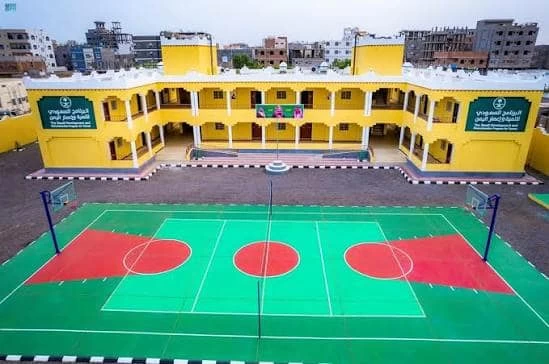
تواصل السعودية تقديم دعمها لتعزيز قطاع التعليم في اليمن عبر ذراعها التنموي «البرنامج السعودي لتنمية وإعمار اليمن»، محققة نقلة نوعية تهدف إلى تفعيل التعليم كمحرك أساسي للتنمية والاستقرار، وتعزيز الارتقاء الاجتماعي والاقتصادي، وتوفير فرص التعلم الجيد للجنسين ومختلف الفئات العمرية وذوي الإعاقة.
وأثمرت الجهود السعودية عن تنفيذ 60 مشروعاً ومبادرة تنموية شملت المحافظات اليمنية، ليصل إجمالي المستفيدين في كافة قطاعات التعليم إلى 234,585 مستفيداً، من بينهم 82,616 مستفيداً في قطاع التعليم العالي، في إطار رؤية تنموية متكاملة للنهوض بالبنية التحتية التعليمية وتطوير القدرات البشرية واستعادة الدورة الطبيعية للحياة الدراسية في اليمن.
بنية تحتية جامعية ومختبرات متطورة
وفي قطاع التعليم العالي والتدريب الفني، أطلقت المملكة عبر البرنامج السعودي لتنمية وإعمار اليمن حزمة مشاريع إستراتيجية شملت إنشاء كليات الطب والصيدلة والتمريض بجامعة تعز على مساحة شاسعة بلغت 79 ألف متر مربع لتزويد القطاع الصحي بمهنيين متخصصين، إضافة إلى تجهيز 28 مختبراً علمياً متطوراً بجامعة عدن في مجالات الأدوية والتكنولوجيا الحيوية والكيمياء والبحث الجنائي.
كما شملت المشاريع إنشاء 16 قاعة دراسية ومبنى إدارياً متكاملاً بجامعة إقليم سبأ، وتأسيس كلية التربية والمعهد الفني في سقطرى لرفع كفاءة التعليم الأكاديمي والمهني لأبناء الأرخبيل.
وتعتبر هذه المبادرات الجامعية حجر الزاوية في إعادة ربط مخرجات التعليم العالي بحاجات سوق العمل اليمني؛ إذ تُسهم المختبرات الحديثة والمنشآت الأكاديمية الجديدة في تقليل تدفق الابتعاث الخارجي وتوفير بيئة تحصيل علمي متقدمة محلياً، تعيد ثقة الطلاب في المؤسسات التعليمية الوطنية وتدعم منظومة البحث العلمي والابتكار.
تأهيل المدارس وتحسين البيئة التعليمية
وعلى مستوى التعليم العام، شُيدت 38 مدرسة نموذجية مجهزة بالكامل بأحدث معامل العلوم والحاسب الآلي والوسائل المساعدة، إلى جانب طباعة وتوزيع 2,548,852 كتاباً مدرسياً لجميع المراحل التعليمية لتغطية العجز الميداني وتأمين المناهج للطلاب، بالتوازي مع دعم مشروع النقل المدرسي الذي يسهم بشكل مباشر في تعزيز الوصول الآمن إلى المدارس وتسهيل تنقل الطلاب والطالبات في 4 محافظات يمنية.
وحققت هذه المشاريع والمبادرات التنموية آثاراً إيجابية ملموسة في الحد من نسب التسرب الدراسي في المدارس المستهدفة، إذ وفرت بيئة تعليمية محفزة وآمنة تُراعي أصحاب الهمم وتذلل العقبات اللوجستية التي كانت تحول دون انتظام الطلاب، خصوصاً في الأرياف والمناطق الأكثر احتياجاً.
مبادرات نوعية في التمكين الرقمي ودعم الريف
وعلى صعيد بناء القدرات والتحول الذكي، استهدف «مشروع التمكين الرقمي للمعلم اليمني» 500 معلم ومعلمة في محافظات (عدن، حضرموت، المهرة، سقطرى)، وذلك لرفع الكفاءة التدريسية والارتقاء بالأداء التعليمي عبر مسارات نوعية تشمل استخدام تطبيقات الذكاء الاصطناعي وتوليد المحتوى التخصصي والتصميم التعليمي الرقمي، مما يواكب المستجدات الحديثة في وسائل التعليم.
وفي اتجاه متصل لتقليل الفجوة التعليمية في المناطق النائية، يواصل «مشروع الوصول إلى التعليم في الريف» التوسع في 6 محافظات يمنية للحد من تسرب الفتيات وتأهيلهن لخدمة مجتمعاتهن المحلية؛ إذ استهدفت المرحلة الأولى 450 مستفيدة والمرحلة الثانية 150 مستفيدة لتمكينهن من الحصول على دبلوم المعلمات، وإكسابهن المهارات الحياتية والمهنية للتدريس بمدارس التعليم العام، بما ينعكس إيجاباً على رفع جودة التعليم وزيادة معدلات التحاق الفتيات بالمدارس.
وتُمثل هذه الشراكة التنموية نموذجاً مستداماً في تمكين المرأة اليمنية ريفياً، حيث تُسهم الدفعة الجديدة من المعلمات المؤهلات في التغلب على العجز التاريخي للكادر النسائي التعليمي في الأرياف، وهو ما يكسر الحاجز الاجتماعي الذي كان يمنع الأسر من إرسال بناتها للمدارس، ويؤسس لجيل جديد من القيادات النسائية التنموية.
يُذكر أن «البرنامج السعودي لتنمية وإعمار اليمن» يُعد ذراع المملكة التنموي في اليمن، حيث نفذ مئات المشاريع والمبادرات في قطاعات البنية التحتية والخدمات الأساسية كالتعليم والصحة والمياه والطاقة، بهدف توفير فرص العمل، وتحسين معيشة السكان، وإرساء قواعد الاستدامة التنموية في مختلف المحافظات اليمنية.
Saudi Arabia continues to provide its support to enhance the education sector in Yemen through its development arm, the "Saudi Program for the Development and Reconstruction of Yemen," achieving a qualitative leap aimed at activating education as a fundamental driver for development and stability, enhancing social and economic advancement, and providing opportunities for quality learning for both genders, various age groups, and people with disabilities.
The Saudi efforts have resulted in the implementation of 60 developmental projects and initiatives across Yemeni governorates, benefiting a total of 234,585 individuals in all education sectors, including 82,616 beneficiaries in higher education, as part of a comprehensive developmental vision to improve educational infrastructure, develop human capacities, and restore the normal cycle of academic life in Yemen.
University Infrastructure and Advanced Laboratories
In the higher education and technical training sector, the Kingdom has launched a package of strategic projects through the Saudi Program for the Development and Reconstruction of Yemen, which includes the establishment of medical, pharmacy, and nursing colleges at Taiz University on a vast area of 79,000 square meters to supply the health sector with specialized professionals, in addition to equipping 28 advanced scientific laboratories at Aden University in the fields of pharmaceuticals, biotechnology, chemistry, and forensic research.
The projects also included the establishment of 16 classrooms and a complete administrative building at the Al-Jawf University, as well as the founding of a College of Education and a Technical Institute in Socotra to enhance the efficiency of academic and vocational education for the archipelago's youth.
These university initiatives are considered a cornerstone in reconnecting higher education outputs with the needs of the Yemeni labor market; the modern laboratories and new academic facilities contribute to reducing the flow of external scholarships and providing an advanced local educational environment, restoring students' confidence in national educational institutions and supporting the system of scientific research and innovation.
School Rehabilitation and Improving the Educational Environment
At the level of general education, 38 model schools have been built, fully equipped with the latest science and computer laboratories and teaching aids, alongside printing and distributing 2,548,852 school books for all educational stages to cover field shortages and secure curricula for students, in parallel with supporting a school transportation project that directly contributes to enhancing safe access to schools and facilitating the movement of students in four Yemeni governorates.
These projects and developmental initiatives have achieved tangible positive impacts in reducing dropout rates in targeted schools, as they provided a stimulating and safe educational environment that accommodates individuals with disabilities and alleviates logistical obstacles that previously hindered student attendance, especially in rural and most needy areas.
Qualitative Initiatives in Digital Empowerment and Rural Support
In the context of capacity building and smart transformation, the "Digital Empowerment Project for the Yemeni Teacher" targeted 500 male and female teachers in the governorates of (Aden, Hadramaut, Al-Mahrah, Socotra), aiming to enhance teaching efficiency and improve educational performance through qualitative pathways that include the use of artificial intelligence applications, specialized content generation, and digital instructional design, keeping pace with modern developments in educational methods.
In a related direction to reduce the educational gap in remote areas, the "Access to Education in Rural Areas Project" continues to expand in six Yemeni governorates to limit girls' dropout rates and prepare them to serve their local communities; the first phase targeted 450 beneficiaries, and the second phase targeted 150 beneficiaries to enable them to obtain a teaching diploma, equipping them with life and professional skills for teaching in general education schools, positively reflecting on improving the quality of education and increasing girls' enrollment rates in schools.
This developmental partnership represents a sustainable model for empowering rural Yemeni women, as the new cohort of qualified female teachers contributes to overcoming the historical shortage of female educational staff in rural areas, breaking the social barrier that previously prevented families from sending their daughters to school, and establishing a new generation of women leaders in development.
It is worth noting that the "Saudi Program for the Development and Reconstruction of Yemen" is considered the Kingdom's developmental arm in Yemen, having implemented hundreds of projects and initiatives in infrastructure and essential services sectors such as education, health, water, and energy, aiming to provide job opportunities, improve the living conditions of residents, and establish the foundations of sustainable development in various Yemeni governorates.