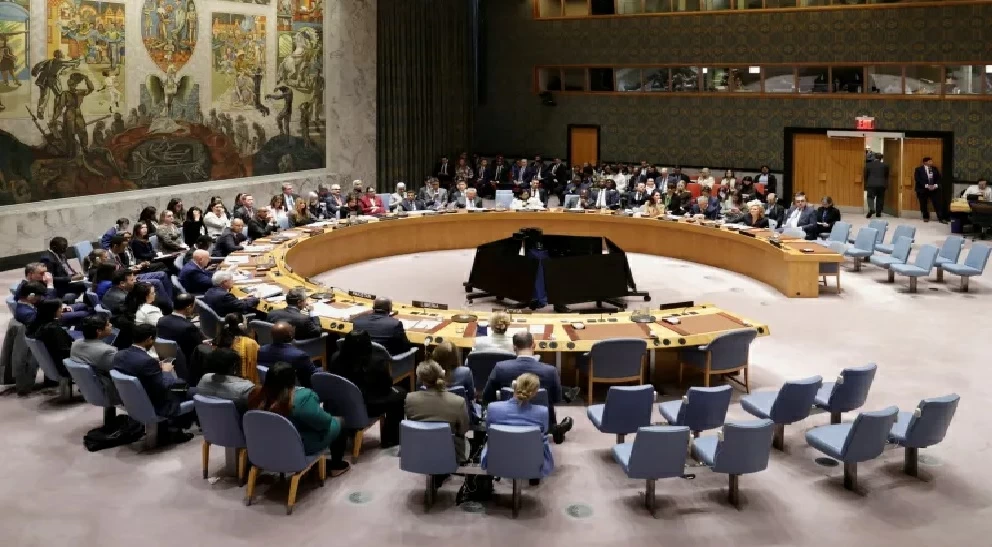
من المقرر أن يعقد مجلس الأمن الدولي، اليوم (الجمعة)، جولة ثانية من «التصويت الاسترشادي»، للتمهيد لاختيار الأمين العام القادم للأمم المتحدة، وسط حالة من الانقسامات العميقة التي تضرب المنظمة الدولية.
جلسة مشاورات مغلقة
ويتنافس في السباق الراهن ثلاثة رجال إلى جانب خمس نساء، يسعون لخلافة الأمين العام الحالي البرتغالي أنطونيو غوتيريش، الذي ستطوى صفحة ولايته الثانية والأخيرة في 31 ديسمبر 2026.
ويُجري أعضاء مجلس الأمن الخمسة عشر مشاوراتهم المغلقة، ويضع كل عضو تقييمه لكل مرشح باختيار واحد من ثلاثة خيارات هي «تشجيع» أو «عدم تشجيع» أو «بدون رأي»، مع الحفاظ على سرية هوية المصوتين.
وأسفرت الجولة الأولى من التصويت التي جرت في 30 يوليو الماضي، عن تصدر ريبيكا غرينسبان، نائبة رئيس كوستاريكا السابقة ورئيسة مؤتمر الأمم المتحدة للتجارة والتنمية (الأونكتاد)، قائمة المرشحين بحيازتها لأكبر عدد من الأصوات المؤيدة.
تحديات أمام المنظمة الدولية
ونقلت وكالة الصحافة الفرنسية عن المحلل في مجموعة الأزمات الدولية دانيال فورتي ترجيحه أن تشهد الجولة الحالية تبدلاً في خريطة توزيع الأصوات مقارنة بالاقتراع الأول. ولفت إلى أن الهدف من العملية لا يقتصر على استكشاف المرشح الأبرز فحسب، بل يمتد لاستبعاد آخرين، ما قد يجعل بعض المرشحين يدركون مع نهاية الجولة أن طريق حملاتهم قد بلغ خط النهاية.
ويأتي الاستحقاق في وقت تعبر فيه الأمم المتحدة إحدى أصعب محطات تاريخها، متأثرة بتراجع مسار العمل المتعدد الأطراف، واستمرار الانقسامات بين أعضاء مجلس الأمن، فضلاً عن أزمات مالية خانقة تعترض طريقها.
وتواجه المنظمة عثرات في الحد من الصراعات الدولية الكبرى، كما تواجه ضغوطاً متواصلة من الرئيس الأمريكي دونالد ترمب، الذي يوجه طعنات متكررة لآليات عملها وتمويلها، إلى جانب مخاطر تقليص الميزانية التي تهدد مباشرة عملياتها الإنسانية وبرامج حفظ السلام التابعة لها.
كيف تجري عملية التصويت؟
تُقام عادة جولات من التصويت الاسترشادي غير الرسمي لمعرفة مدى دعم كل مرشح، وقد تتكرر الجولات إلى أن يتبلور مرشح يحظى بالتوافق الكافي، مع توقع إجراء جولات متعددة.
ولكي ينجح أي مرشح، ينبغي عليه كسب تأييد تسع دول من أصل أعضاء المجلس الخمسة عشر، فضلاً عن اجتياز عقبة حق الرفض (الفيتو) الذي تمتلكه الدول الخمس الكبرى دائمة العضوية (الولايات المتحدة، وروسيا، والصين، وفرنسا، والمملكة المتحدة)، والتي تبدو منقسمة بحدة حيال الأزمات الدولية الراهنة.
وإذا تم تخطي هذه المحطة بنجاح، يُرفع اسم المرشح المختار إلى الجمعية العامة التي تضم كافة الدول الأعضاء لاعتماده رسمياً.
ويعتمد العرف الدولي عادة على مبدأ التناوب الجغرافي لتولي هذا المنصب الرفيع، وهو ما يرجّح أن يكون الدور هذه المرة من نصيب شخصية تمثل أمريكا اللاتينية، وسط مطالبات ودعوات متزايدة من عدة دول بضرورة كسر القاعدة وتولي امرأة مقعد الأمانة العامة لأول مرة في تاريخ المنظمة.
ريبيكا غرينسبان تصدرت التصويت في الجلسة الأولى.
غرينسبان تتصدر الجولة الأولى
وكانت ريبيكا غرينسبان تصدرت نتائج الجولة الأولى متفوقة على كل من وزيرة خارجية غويانا السابقة كارولين رودريغيز-بيركيت، والمدير العام للوكالة الدولية للطاقة الذرية الأرجنتيني رافايل غروسي.
وتضم قائمة المتنافسين كلا من التشيلية ميشيل باشليه، والإكوادورية ماريا فرناندا إسبينوزا، والأوغندي أولارا أوتونو، والسنغالي ماكي سال، والدبلوماسية ذات الأصول اللبنانية والإكوادورية إيفون عبد الباقي، إلى جانب الأسماء المذكورة سابقاً.
ورغم أن رافايل غروسي يُعتبر الوجه الأبرز والأكثر شهرة بين المتنافسين، إلا أن المراقبين يجمعون على غياب أي أفضلية واضحة لأي مرشح في سباق يُرجح استمراره لأشهر قادمة.
ويبدي الدبلوماسيون حرصاً شديداً في تجنب إطلاق تكهنات حول مآلات السباق، مرجعين ذلك إلى الوزن الثقيل وسطوة الدول الخمس دائمة العضوية، خصوصا أنها لم تكشف حتى اللحظة عن مرشحيها المفضلين، وهو ما أكده المندوب الروسي الدائم لدى الأمم المتحدة فاسيلي نيبينزيا للصحفيين الخميس الماضي، عندما ألمح إلى احتمالية ظهور مرشحين جدد على الساحة قريباً.
The United Nations Security Council is scheduled to hold a second round of "straw polling" today (Friday) to pave the way for selecting the next Secretary-General of the United Nations, amidst deep divisions affecting the international organization.
Closed Consultation Session
Three men and five women are currently competing to succeed the current Secretary-General, Portuguese António Guterres, whose second and final term will end on December 31, 2026.
The fifteen members of the Security Council are conducting their closed consultations, with each member evaluating each candidate by choosing one of three options: "Encourage," "Discourage," or "No Opinion," while keeping the identity of the voters confidential.
The first round of voting, which took place on July 30, resulted in Rebecca Greenspan, former Vice President of Costa Rica and head of the United Nations Conference on Trade and Development (UNCTAD), leading the list of candidates by receiving the highest number of supportive votes.
Challenges Facing the International Organization
French news agency AFP quoted Daniel Forti, an analyst at the International Crisis Group, as predicting that the current round may see a shift in the distribution of votes compared to the first ballot. He noted that the goal of the process is not only to identify the leading candidate but also to eliminate others, which may lead some candidates to realize by the end of the round that their campaign paths have reached the finish line.
This election comes at a time when the United Nations is experiencing one of the most challenging periods in its history, affected by a decline in multilateral cooperation, ongoing divisions among Security Council members, as well as crippling financial crises obstructing its path.
The organization faces setbacks in curbing major international conflicts and is under continuous pressure from U.S. President Donald Trump, who repeatedly undermines its operational mechanisms and funding, alongside the risks of budget cuts that directly threaten its humanitarian operations and peacekeeping programs.
How Does the Voting Process Work?
Informal rounds of straw polling are typically held to gauge the level of support for each candidate, and these rounds may be repeated until a candidate emerges with sufficient consensus, with multiple rounds expected.
For any candidate to succeed, they must gain the support of nine out of the fifteen council members, in addition to overcoming the veto power held by the five permanent members (the United States, Russia, China, France, and the United Kingdom), which appear sharply divided regarding current international crises.
If this stage is successfully passed, the name of the selected candidate is submitted to the General Assembly, which includes all member states, for formal approval.
International custom typically relies on the principle of geographical rotation for this high office, which suggests that this time the role may go to a figure representing Latin America, amidst increasing demands and calls from several countries to break the norm and appoint a woman to the position of Secretary-General for the first time in the organization's history.
ريبيكا غرينسبان تصدرت التصويت في الجلسة الأولى.
Greenspan Leads the First Round
Rebecca Greenspan topped the results of the first round, outperforming former Guyanese Foreign Minister Carolyn Rodrigues-Birkett and Argentine Rafael Grossi, the Director-General of the International Atomic Energy Agency.
The list of competitors includes Chilean Michelle Bachelet, Ecuadorian María Fernanda Espinosa, Ugandan Olara Otunnu, Senegalese Macky Sall, and Lebanese-Ecuadorian diplomat Yvonne Abd al-Baqi, alongside the previously mentioned names.
Although Rafael Grossi is considered the most prominent and well-known face among the competitors, observers agree that there is no clear advantage for any candidate in a race expected to continue for several months.
Diplomats are exercising great caution in avoiding speculation about the outcome of the race, attributing this to the heavy weight and influence of the five permanent member states, especially since they have not yet revealed their preferred candidates, as confirmed by Russian Permanent Representative to the United Nations Vasily Nebenzya to reporters last Thursday, when he hinted at the possibility of new candidates emerging on the scene soon.