تراجع وزارة الحرب الأمريكية (البنتاغون) خطط استخدام الأسلحة النووية بهدف منح الرئيس دونالد ترمب والقيادة العسكرية خيارات أوسع للتعامل مع احتمال استخدام روسيا أو الصين أسلحة نووية منخفضة القوة في صراع إقليمي، مع تجنب انزلاق مواجهة محدودة إلى حرب نووية شاملة.
الحيلولة دون التصعيد
ونقلت صحيفة «واشنطن تايمز» عن وكيل وزارة الحرب للسياسة إلبريدج كولبي قوله إن المراجعة تجري بالتعاون مع قائد القيادة الإستراتيجية الأمريكية الأدميرال ريتشارد كوريل، وتركز على تحديث التوجيهات المتعلقة بالاستخدام النووي، ولا تزال تفاصيلها سرية.
وتسعى المراجعة إلى معالجة مخاوف واشنطن من أن يؤدي اعتقاد الخصوم بأن الولايات المتحدة ستتردد في الرد إلى تشجيعهم على استخدام أسلحة نووية تكتيكية، سواء في صراع محتمل حول تايوان أو في الحرب الروسية الأوكرانية.
واعتبر كولبي أن الهدف ليس زيادة احتمال استخدام السلاح النووي، بل توفير بدائل بين خيارين متطرفين: عدم الرد أو اللجوء مباشرة إلى ضربة إستراتيجية واسعة.
ويشمل مفهوم «الاستجابة المرنة» مزيجاً من القدرات التقليدية والأسلحة النووية التكتيكية والإستراتيجية، إلى جانب تعزيز جاهزية الحلفاء.
تحديث الترسانة النووية
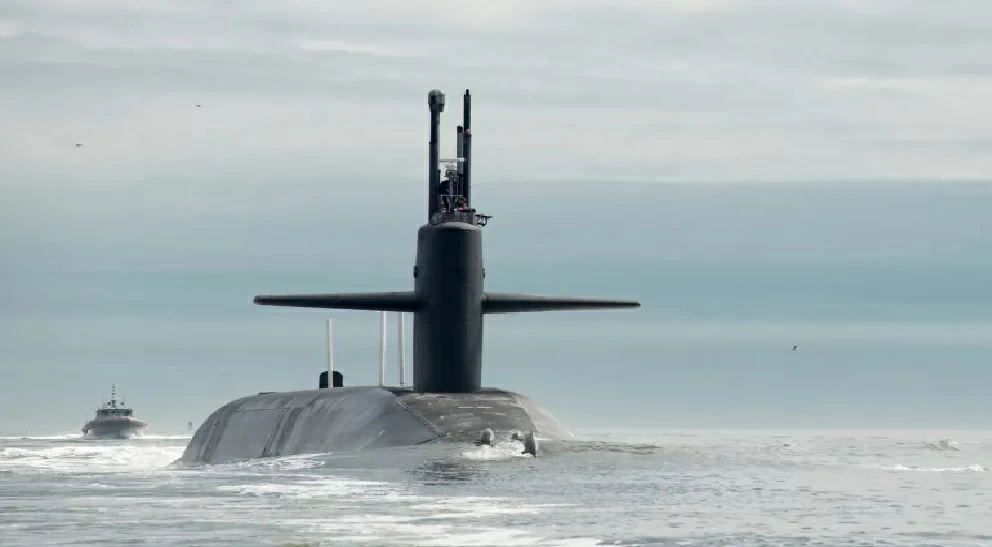
وتأتي هذه المراجعة وسط مخاوف أمريكية من تقادم بعض عناصر الترسانة النووية، بالتزامن مع توسع القدرات الروسية والصينية. وتواصل واشنطن برنامجاً واسعاً لتحديث «الثالوث النووي» الذي يضم الصواريخ العابرة للقارات، والقاذفات الإستراتيجية، والصواريخ التي تطلق من الغواصات.
وتملك الولايات المتحدة بالفعل أسلحة نووية منخفضة القوة، بينها الرأس «W76-2» بقوة 8 كيلوطن، والقنبلة «B61-12» ذات القدرة التفجيرية المتغيرة.
الصين في صدارة الحسابات
تمثل الصين محوراً رئيسياً في التخطيط الأمريكي، في ظل التوسع السريع في ترسانتها النووية وإنشاء مئات مواقع الصواريخ العابرة للقارات.
وحسب كولبي، فإن الردع الأمريكي يتطلب الحفاظ على وجود عسكري قوي في آسيا، خصوصاً لردع أي محاولة صينية لغزو تايوان، مع الاعتماد على الغواصات والطائرات والقاذفات والصواريخ الأمريكية.
معضلة الردع الممتد
تسعى إدارة ترمب إلى الحفاظ على «الردع الممتد» لحماية حلفائها في آسيا وأوروبا، مع رفض امتلاكهم أسلحة نووية مستقلة، بالتوازي مع محاولات لاستئناف مفاوضات الحد من الأسلحة مع روسيا والصين.
وتكشف المراجعة معضلة إستراتيجية أساسية: كيف تجعل واشنطن التهديد بالرد النووي قابلاً للتصديق، من دون أن تجعل استخدام السلاح النووي أكثر احتمالاً؟ فامتلاك خيارات محدودة قد يعزز الردع، لكن سوء تقدير حدود التصعيد قد يحول حرباً إقليمية إلى مواجهة نووية يصعب احتواؤها.
The U.S. Department of Defense (Pentagon) is revising its nuclear weapons use plans to provide President Donald Trump and military leadership with broader options to deal with the possibility of Russia or China using low-yield nuclear weapons in a regional conflict, while avoiding the escalation of a limited confrontation into a full-scale nuclear war.
Preventing Escalation
The Washington Times reported that Under Secretary of Defense for Policy Elbridge Colby stated that the review is being conducted in collaboration with Admiral Richard C. Leigh, commander of U.S. Strategic Command, and focuses on updating nuclear use guidance, with details remaining classified.
The review aims to address Washington's concerns that adversaries' belief that the U.S. would hesitate to respond could encourage them to use tactical nuclear weapons, whether in a potential conflict over Taiwan or in the Russia-Ukraine war.
Colby considered that the goal is not to increase the likelihood of nuclear weapon use, but to provide alternatives between two extreme options: not responding or resorting directly to a broad strategic strike.
The concept of "flexible response" includes a mix of conventional capabilities and tactical and strategic nuclear weapons, alongside enhancing the readiness of allies.
Updating the Nuclear Arsenal
This review comes amid U.S. concerns about the aging of some elements of the nuclear arsenal, coinciding with the expansion of Russian and Chinese capabilities. Washington continues a broad program to modernize the "nuclear triad," which includes intercontinental ballistic missiles, strategic bombers, and submarine-launched missiles.
The United States already possesses low-yield nuclear weapons, including the "W76-2" warhead with an 8-kiloton yield, and the "B61-12" bomb with variable explosive power.
China at the Forefront of Considerations
China represents a key focus in U.S. planning, given the rapid expansion of its nuclear arsenal and the establishment of hundreds of intercontinental missile sites.
According to Colby, American deterrence requires maintaining a strong military presence in Asia, particularly to deter any Chinese attempt to invade Taiwan, relying on U.S. submarines, aircraft, bombers, and missiles.
The Extended Deterrence Dilemma
The Trump administration seeks to maintain "extended deterrence" to protect its allies in Asia and Europe while rejecting their possession of independent nuclear weapons, alongside attempts to resume arms reduction negotiations with Russia and China.
The review reveals a fundamental strategic dilemma: how can Washington make the threat of nuclear retaliation credible without making the use of nuclear weapons more likely? Limited options may enhance deterrence, but misjudging the limits of escalation could turn a regional war into a nuclear confrontation that is difficult to contain.