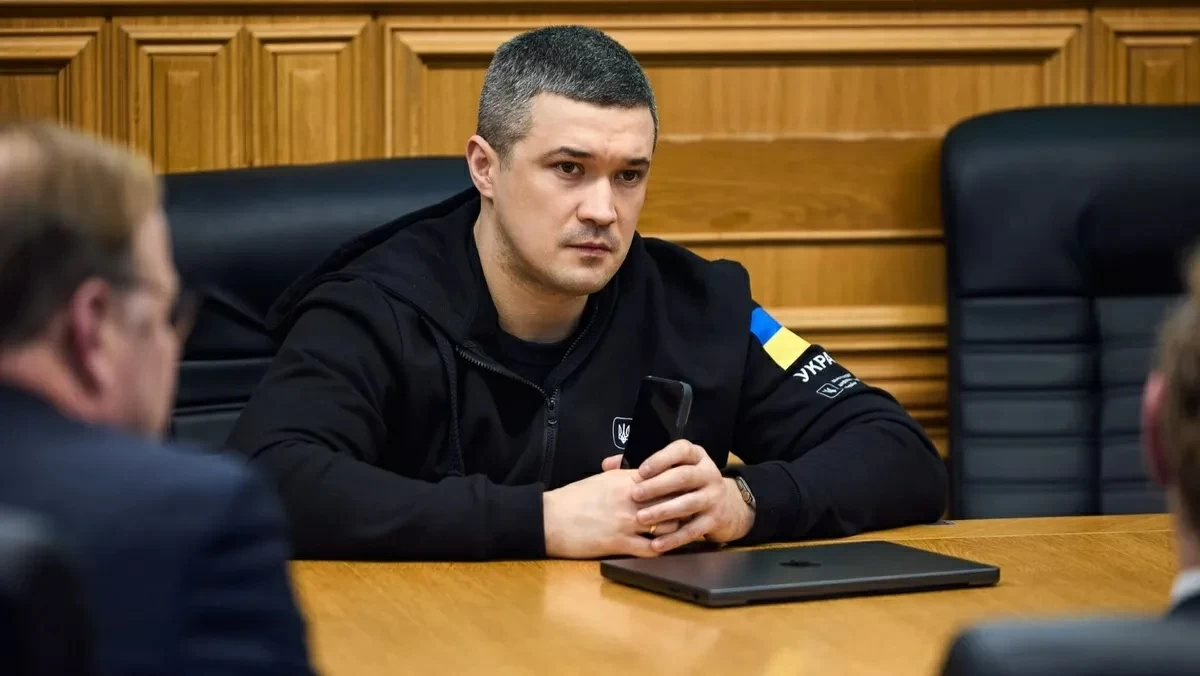
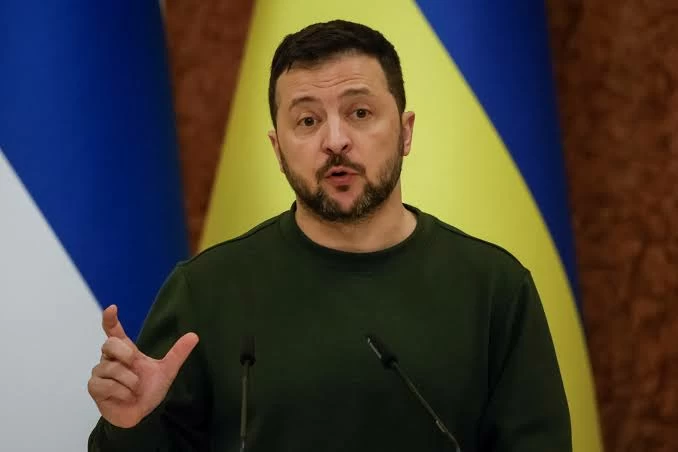
شن وزير الدفاع الأوكراني السابق ميخايلو فيدوروف هجوماً حاداً على الرئيس فولوديمير زيلينسكي، متهماً حكومته بـ«الفشل المنهجي» وانتشار الفساد، وحذر من أن ذلك يقوض قدرة أوكرانيا على مواجهة روسيا.
آلية تسمح بإجراء الانتخابات
ودعا فيدوروف إلى وضع آلية تسمح بإجراء انتخابات استثنائية حتى في ظل استمرار الحرب، مؤكدا أن كييف لا ينبغي أن تسمح للرئيس الروسي فلاديمير بوتين بتحديد موعد عودة الأوكرانيين إلى صناديق الاقتراع.
وقال إن «الديمقراطية الأوكرانية يجب ألا تعتمد على حسن نية الكرملين»، مؤكداً أن الديمقراطية ليست ترفاً في زمن السلم، بل جزء من الأهداف التي تقاتل أوكرانيا من أجلها.
خلاف بعد أسابيع من الإقالة
جاءت تصريحات فيدوروف بعد أسابيع من إقالته من منصب وزير الدفاع، في تعديل حكومي أثار جدلاً سياسياً، وسط خلافات بشأن إدارة الوزارة والمشتريات العسكرية.
واتهم فيدوروف قيادات عسكرية بعرقلة الإصلاحات التي كان يسعى لتنفيذها، بينما قال زيلينسكي إن العلاقة بين وزير الدفاع والقيادة العسكرية العليا وصلت إلى طريق مسدود.
ورفض الوزير السابق عروضاً لتولي مناصب حكومية أخرى، معتبراً أن الرئاسة ووزارة الدفاع والقيادة العسكرية هي المواقع التي تمتلك الصلاحيات الكافية للتأثير في مسار الحرب.
الانتخابات في زمن الحرب
واعتبر فيدوروف أن على أوكرانيا الاستعداد لاحتمال استمرار الحرب لسنوات، ووضع «آلية قانونية وآمنة وواقعية» تتيح استئناف العملية الديمقراطية، بما يضمن مشاركة الجنود، والأوكرانيين المقيمين في الخارج، وسكان المناطق القريبة من خطوط المواجهة.
وتمنع الأحكام العرفية المفروضة منذ الغزو الروسي عام 2022 إجراء الانتخابات الوطنية، ما أبقى زيلينسكي والبرلمان في مناصبهما بعد انتهاء المدد الانتخابية المعتادة.
معارضة داخل البرلمان
وتواجه دعوة فيدوروف معارضة من نواب في حزب زيلينسكي، الذين يرون أن إجراء انتخابات خلال الحرب قد يخلق حالة من الانقسام ويمنح موسكو فرصة لاستغلال هشاشة الوضع الداخلي.
وقال النائب أوليكساندر ميريجكو إن المستفيد الوحيد من انتخابات تُجرى في ظروف الحرب سيكون بوتين، فيما حذر نواب آخرون من أن حملة انتخابية حادة قد تزيد الانقسامات وتضر بالمجهود الحربي.
ويأتي تصعيد فيدوروف في وقت تتزايد فيه الأسئلة حول مستقبل القيادة السياسية في كييف، ومستوى الشفافية في إدارة الدولة، والعلاقة بين السلطة السياسية والقيادة العسكرية.
Former Ukrainian Defense Minister Mykhailo Fedorov launched a sharp attack on President Volodymyr Zelensky, accusing his government of "systematic failure" and the spread of corruption, warning that this undermines Ukraine's ability to confront Russia.
A mechanism to allow elections
Fedorov called for the establishment of a mechanism that would allow for extraordinary elections even amidst the ongoing war, emphasizing that Kyiv should not allow Russian President Vladimir Putin to dictate when Ukrainians return to the ballot boxes.
He stated that "Ukrainian democracy must not rely on the goodwill of the Kremlin," asserting that democracy is not a luxury in times of peace, but part of the goals for which Ukraine is fighting.
Dispute weeks after dismissal
Fedorov's remarks came weeks after his dismissal from the position of Defense Minister in a government reshuffle that sparked political controversy, amid disputes over the management of the ministry and military procurement.
He accused military leaders of obstructing the reforms he sought to implement, while Zelensky stated that the relationship between the Defense Minister and the top military leadership had reached an impasse.
The former minister rejected offers to take on other government positions, considering that the presidency, the Ministry of Defense, and military leadership are the positions that hold sufficient authority to influence the course of the war.
Elections in wartime
Fedorov believed that Ukraine must prepare for the possibility of the war continuing for years, and establish a "legal, safe, and realistic mechanism" that allows for the resumption of the democratic process, ensuring the participation of soldiers, Ukrainians living abroad, and residents of areas close to the front lines.
Martial law imposed since the Russian invasion in 2022 prevents national elections, keeping Zelensky and the parliament in their positions after the usual electoral terms expired.
Opposition within parliament
Fedorov's call faces opposition from deputies in Zelensky's party, who believe that holding elections during the war could create division and give Moscow the opportunity to exploit the fragility of the internal situation.
Deputy Oleksandr Myrhyko stated that the only beneficiary of elections held under wartime conditions would be Putin, while other deputies warned that a heated electoral campaign could increase divisions and harm the war effort.
Fedorov's escalation comes at a time when questions are increasing about the future of political leadership in Kyiv, the level of transparency in state management, and the relationship between political authority and military leadership.