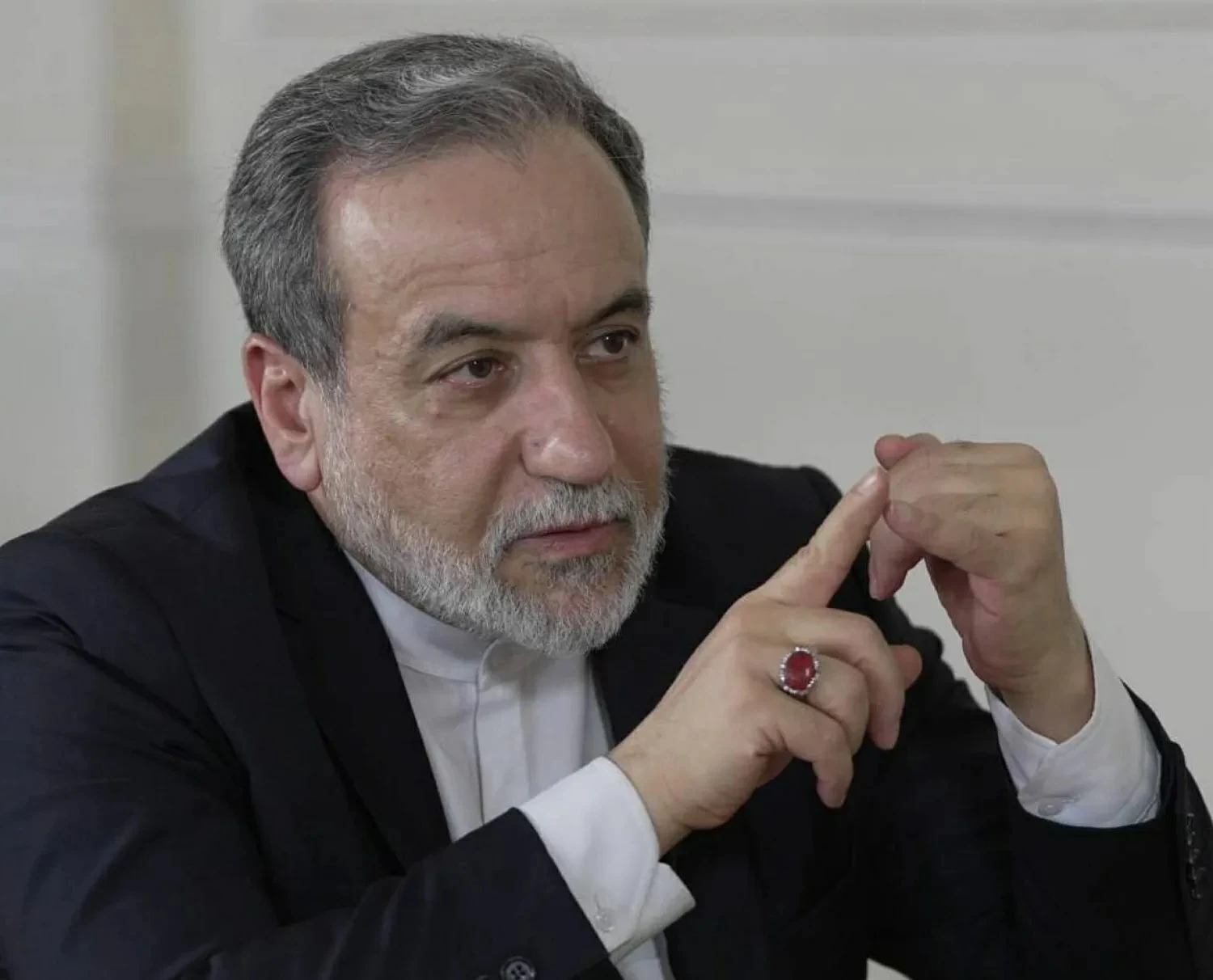
أفصح وزير الخارجية الإيراني عباس عراقجي عن قرب التوصل إلى اتفاق مع سلطنة عُمان بشأن مضيق هرمز. وقال إن المحادثات بشأن الآلية القانونية لإدارة «هرمز» وتحديد مسار عبور السفن لا تزال جارية.
واعتبر في تصريحات أوردتها وكالة تسنيم الإيرانية، (السبت)، أن المسار الذي كان مستخدماً سابقاً لعبور السفن لم يعد مقبولاً من وجهة نظر إيران، مشيراً إلى ضرورة تحديد مسار جديد للملاحة، وهي عملية تنطوي على تعقيدات فنية وقانونية واسعة.
وأوضح أن المناقشات حالياً تدور حول اعتماد مسار مؤقت إلى حين التوصل إلى المسار الجديد، على أن يشكل هذا الممر المؤقت أساساً للمسار الدائم مستقبلاً.
وكان مسؤول أمريكي، تحدث أمس (الجمعة)، عن إحراز تقدم بين إيران وسلطنة عمان قد يؤدي قريباً إلى إعادة فتح مضيق هرمز، بما قد يسمح باستئناف صادرات النفط التي تعطلت بسبب الحرب التي اندلعت قبل خمسة أشهر.
وقال المسؤول إن واشنطن تتوقع قريباً التوصل إلى اتفاق بين البلدين اللذين يقعان على جانبي المضيق، بما يسمح باستئناف الحركة الطبيعية للنفط. وأضاف أن الولايات المتحدة سترفع حصارها عن الموانئ الإيرانية فور الإعلان عن اتفاق لإعادة حركة الشحن التجاري دون عوائق.
لكن الحرس الثوري الإيراني، زعم اليوم (السبت)، أن إعادة فتح مضيق هرمز لا علاقة لها بالمفاوضات بين إيران وسلطنة عمان، بل هي مشروطة بقبول الولايات المتحدة شروط طهران.
ونقلت وكالة تسنيم الإيرانية للأنباء عن المتحدث باسم الحرس الثوري حسين محبي قوله إن «إعادة فتح مضيق هرمز تخضع للآليات والشروط الخاصة بإيران ولا علاقة لها بالمفاوضات بين إيران وسلطنة عمان».
ويُنظر إلى اتفاق بين إيران وعمان بشأن السيطرة على مضيق هرمز باعتباره أمراً حاسماً للتوصل إلى اتفاق سلام أوسع نطاقاً.
وأشارت إدارة الرئيس الأمريكي دونالد ترمب مراراً في الأسابيع القليلة الماضية إلى أن اتفاقاً لفتح المضيق قد يكون وشيكاً، قبل أن تنفي إيران إجراء محادثات.
ولم تجرِ واشنطن وطهران محادثات مباشرة رفيعة المستوى منذ أن التقى نائب الرئيس الأمريكي جيه دي فانس مسؤولين إيرانيين في سويسرا في يونيو، بعد وقت قصير من توصل الجانبين إلى اتفاق لوقف إطلاق النار. وأرست مذكرة التفاهم قصيرة الأجل المبرمة في 17 يونيو شروط استئناف شحن النفط عبر مضيق هرمز وأدت إلى وقف إطلاق النار.
The Iranian Foreign Minister Abbas Araghchi revealed that an agreement with Oman regarding the Strait of Hormuz is nearing completion. He stated that discussions about the legal mechanism for managing "Hormuz" and determining the shipping route are still ongoing.
In statements reported by the Iranian Tasnim news agency on Saturday, he considered that the previously used route for shipping is no longer acceptable from Iran's perspective, pointing to the necessity of defining a new navigation route, a process that involves extensive technical and legal complexities.
He clarified that discussions are currently focused on adopting a temporary route until a new route is established, with this temporary corridor serving as the basis for a permanent route in the future.
An American official spoke yesterday (Friday) about progress between Iran and Oman that could soon lead to the reopening of the Strait of Hormuz, potentially allowing for the resumption of oil exports that have been disrupted due to the war that erupted five months ago.
The official stated that Washington expects to soon reach an agreement between the two countries located on either side of the strait, which would allow for the normal flow of oil to resume. He added that the United States would lift its blockade on Iranian ports as soon as an agreement is announced to resume commercial shipping without obstacles.
However, the Iranian Revolutionary Guard claimed today (Saturday) that the reopening of the Strait of Hormuz is unrelated to the negotiations between Iran and Oman, but is conditional on the United States accepting Tehran's terms.
The Tasnim news agency quoted the spokesperson for the Revolutionary Guard, Hossein Mohammadi, as saying that "the reopening of the Strait of Hormuz is subject to Iran's specific mechanisms and conditions and is unrelated to the negotiations between Iran and Oman."
An agreement between Iran and Oman regarding control over the Strait of Hormuz is viewed as crucial for reaching a broader peace agreement.
The administration of President Donald Trump has repeatedly indicated in recent weeks that an agreement to open the strait could be imminent, before Iran denied conducting negotiations.
Washington and Tehran have not held high-level direct talks since U.S. Vice President J.D. Vance met with Iranian officials in Switzerland in June, shortly after both sides reached a ceasefire agreement. The short-term memorandum of understanding signed on June 17 established the conditions for resuming oil shipments through the Strait of Hormuz and led to a ceasefire.