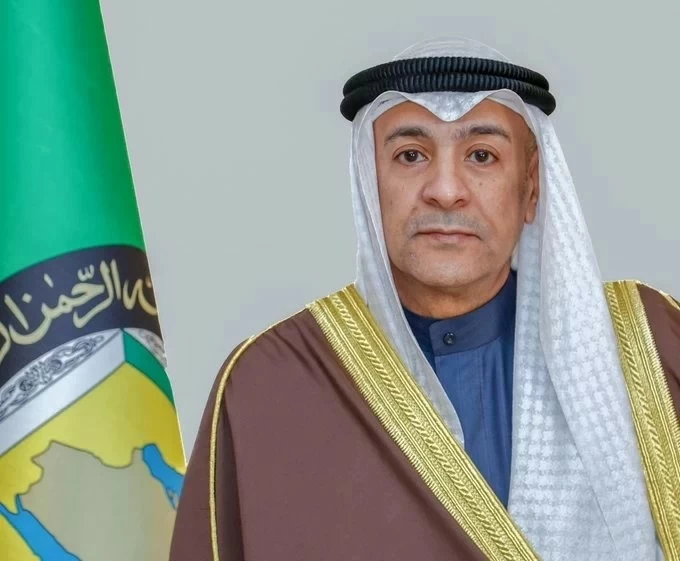
أدان الأمين العام لمجلس التعاون لدول الخليج العربية جاسم محمد البديوي، بأشد وأقسى عبارات الاستنكار، الاعتداء الإيراني الخطير الذي استهدف ناقلة لشركة "أدنوك" التابعة لدولة الإمارات العربية المتحدة، أثناء عبورها مضيق هرمز، مؤكدًا أن هذا الاعتداء يمثل تصعيدًا خطيرًا ومرفوضًا، وتهديدًا مباشرًا لأمن وسلامة الملاحة البحرية والتجارة الدولية في أحد أهم الممرات المائية الحيوية في العالم.
وشدد الأمين العام على الرفض القاطع لأي محاولات إيرانية لتحويل هذا الممر الدولي الحيوي إلى أداة للضغط والتهديد، داعيًا المجتمع الدولي إلى تحمل مسؤولياته واتخاذ موقف حازم لوقف هذه الاعتداءات الخطيرة ومنع تكرارها، وضمان حرية وأمن الملاحة البحرية، وفقًا لمبادئ القانون الدولي والقانون الدولي للبحار والقرارات الدولية ذات الصلة.
وأكد مجددًا تضامن مجلس التعاون الكامل والراسخ مع دولة الإمارات العربية المتحدة، ووقوفه إلى جانبها وتأييده لكافة الإجراءات التي تتخذها لحماية أمنها وسيادتها وممتلكاتها ومصالحها.
The Secretary-General of the Gulf Cooperation Council, Jasem Mohamed Al-Budaiwi, condemned in the strongest and most severe terms the serious Iranian attack that targeted a tanker belonging to the "ADNOC" company of the United Arab Emirates while it was transiting the Strait of Hormuz, emphasizing that this attack represents a dangerous and unacceptable escalation, and a direct threat to the security and safety of maritime navigation and international trade in one of the most vital waterways in the world.
The Secretary-General stressed the firm rejection of any Iranian attempts to turn this vital international passage into a tool for pressure and threat, calling on the international community to assume its responsibilities and take a firm stance to stop these serious attacks and prevent their recurrence, and to ensure the freedom and security of maritime navigation, in accordance with the principles of international law, the law of the sea, and relevant international resolutions.
He reiterated the full and steadfast solidarity of the Gulf Cooperation Council with the United Arab Emirates, standing by its side and supporting all measures it takes to protect its security, sovereignty, properties, and interests.