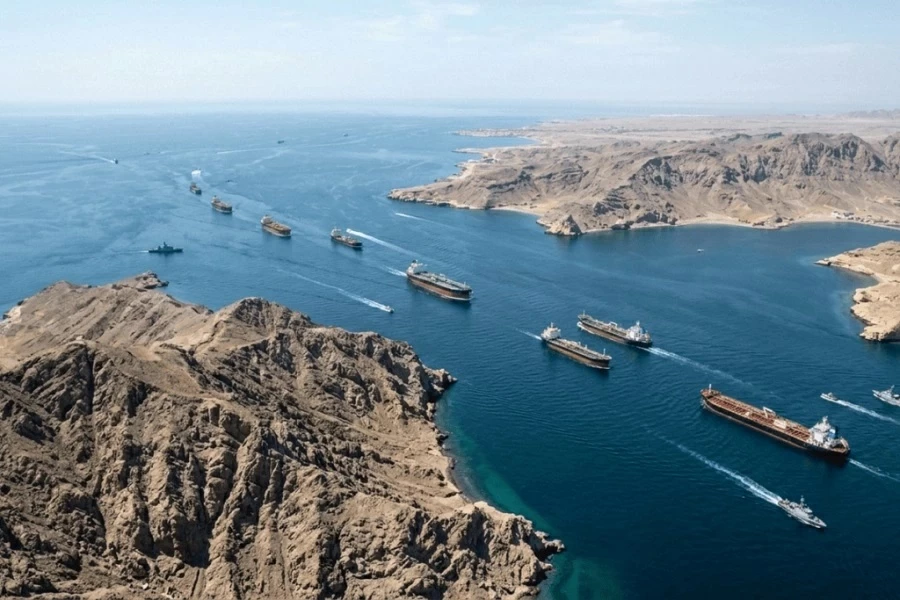
يصطدم المقترح الإيراني لتنظيم حركة الملاحة في مضيق هرمز بعقبات قانونية ومالية واسعة، وسط تحذيرات من قطاع الشحن العالمي بأن تطبيقه يكاد يكون مستحيلاً في ظل العقوبات الأمريكية وقيود التأمين البحري، ما يهدد بإرباك أحد أهم الممرات البحرية لنقل النفط والتجارة العالمية.
ونقلت «رويترز» عن أربعة مصادر في قطاع الشحن أن الاتفاق المقترح بين إيران وسلطنة عُمان، والذي يمنح طهران دوراً في إدارة حركة السفن الداخلة إلى الخليج عبر مضيق هرمز، يواجه صعوبات كبيرة في التنفيذ، إذ إن أي مدفوعات قد تترتب عليه قد تعرض الشركات لعقوبات أمريكية أو فقدان التغطية التأمينية.
مقترح يغيّر قواعد الملاحة
وبحسب المصادر، ينص المقترح على أن تتدخل إيران، عند الضرورة، في حركة السفن المتجهة إلى الخليج، بينما تسلك السفن المغادرة مساراً بين إيران وسلطنة عُمان، على أن تمنح مسقط تصريح الخروج بعد إخطار الجانب الإيراني.
اعتراض دولي
وحذرت اتحادات عالمية تمثل قطاع الشحن، في رسالة مفتوحة إلى المنظمة البحرية الدولية التابعة للأمم المتحدة، من أن فرض رسوم إلزامية على السفن العابرة يمثل «رسوم عبور بكل ما تحمله الكلمة من معنى»، ويشكل سابقة قد تقوض الإطار القانوني الدولي المنظم للمضائق المستخدمة في الملاحة الدولية.
وأكدت المنظمة البحرية الدولية، في قرارات سابقة، أن الدول المطلة على المضيق مطالبة بضمان حق العبور لجميع السفن دون تمييز أو قيود، وأن يظل المرور عبر الممر الملاحي دون رسوم أو أعباء إضافية.
رسوم وعقوبات
وكشف مصدر إيراني أن طهران تسعى إلى فرض رسوم تراوح بين 5 و7% من قيمة الشحنات على السفن العابرة، فيما تناقش سلطنة عُمان رسوماً تقارب 3%، بينما ترفض الولايات المتحدة فرض أي رسوم على استخدام المضيق.
وترى مصادر في قطاع الشحن أن أي التزام بهذه الرسوم قد يضع الشركات في مواجهة مباشرة مع العقوبات الأمريكية، خصوصاً بعد فرض واشنطن عقوبات على الهيئة الإيرانية المشرفة على إدارة المضيق، إلى جانب حظر تلقي خدمات مرتبطة بضمان المرور الآمن عبره.
مأزق التأمين
وزادت شركات التأمين البحري الضغوط على ملاك السفن، بعدما أدرجت رابطة سوق لويدز بنداً جديداً يقضي بإنهاء التغطية التأمينية الخاصة بمخاطر الحرب إذا دفعت السفينة أي رسوم عبور أو انتقال مرتبطة بمضيق هرمز.
وأكدت مصادر في قطاع التأمين أن شركات الشحن أصبحت أمام «معضلة لا مخرج منها»، إذ إن الامتناع عن دفع الرسوم قد يعرقل العبور، بينما يؤدي سدادها إلى فقدان الغطاء التأميني والتعرض لمخاطر العقوبات الأمريكية، ما يجعل الاتفاق المقترح غير قابل للتطبيق عملياً.
The Iranian proposal to regulate shipping traffic in the Strait of Hormuz faces significant legal and financial obstacles, amid warnings from the global shipping sector that its implementation is nearly impossible under U.S. sanctions and marine insurance restrictions, threatening to disrupt one of the most important maritime corridors for oil and global trade.
Reuters reported from four sources in the shipping sector that the proposed agreement between Iran and Oman, which grants Tehran a role in managing the movement of ships entering the Gulf through the Strait of Hormuz, faces major difficulties in implementation, as any payments that may arise could expose companies to U.S. sanctions or loss of insurance coverage.
A Proposal That Changes Navigation Rules
According to the sources, the proposal stipulates that Iran would intervene, when necessary, in the movement of ships heading to the Gulf, while departing ships would take a route between Iran and Oman, with Muscat granting exit permission after notifying the Iranian side.
International Objection
Global unions representing the shipping sector warned, in an open letter to the International Maritime Organization (IMO) of the United Nations, that imposing mandatory fees on transiting ships represents "tolls in every sense of the word," and sets a precedent that could undermine the international legal framework governing straits used for international navigation.
The IMO has previously affirmed that countries bordering the strait are required to ensure the right of passage for all ships without discrimination or restrictions, and that transit through the navigational corridor should remain free of additional fees or burdens.
Fees and Sanctions
An Iranian source revealed that Tehran seeks to impose fees ranging from 5% to 7% of the value of shipments on transiting ships, while Oman is discussing fees close to 3%, whereas the United States opposes imposing any fees for using the strait.
Sources in the shipping sector believe that any commitment to these fees could put companies in direct confrontation with U.S. sanctions, especially after Washington imposed sanctions on the Iranian body overseeing the management of the strait, along with a ban on receiving services related to ensuring safe passage through it.
The Insurance Dilemma
Marine insurance companies have increased pressure on shipowners after the Lloyd's Market Association included a new clause that terminates insurance coverage for war risks if the ship pays any transit or crossing fees related to the Strait of Hormuz.
Sources in the insurance sector confirmed that shipping companies are facing a "no-win dilemma," as refusing to pay the fees could hinder passage, while paying them could lead to the loss of insurance coverage and exposure to U.S. sanctions risks, making the proposed agreement practically unfeasible.