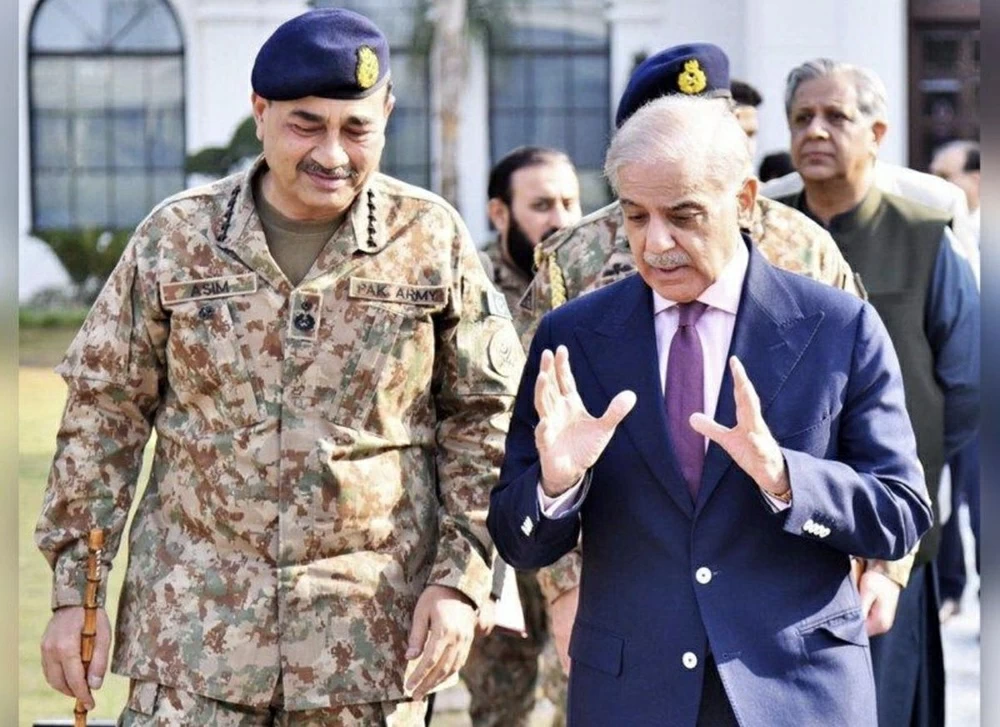
كشفت مصادر باكستانية في تصريحات لـ«العربية/الحدث»، اليوم الأربعاء، أن رئيس الوزراء شهباز شريف، وقائد الجيش عاصم منير، سيزوران السعودية، غداً (الخميس). وتأتي الزيارة في وقت تشهد فيه المنطقة تحركات دبلوماسية مكثفة، وسط متابعة لعدد من الملفات الإقليمية، وفي مقدمتها جهود التهدئة والأوضاع الأمنية، إضافة إلى تعزيز التعاون الثنائي بين الرياض وإسلام أباد.
وكان سفير باكستان لدى روسيا فيصل نياز ترمذي، أعلن أن إسلام أباد تجري تحركات واتصالات دبلوماسية غير معلنة لاحتواء التصعيد بين الولايات المتحدة وإيران، مشيراً إلى أن بلاده تؤدي دور قناة اتصال بين الجانبين.
وفي مقابلة مع وكالة «تاس»، قال إن باكستان تؤمن بالدبلوماسية، وإن هذا النهج ينعكس في مواقفها وتحركاتها، موضحاً أنها تعمل مع جميع الشركاء الإقليميين المهتمين بإحلال السلام في المنطقة. وأضاف أن لدى بلاده قنوات اتصال مفتوحة، وأن بعض القضايا تُدار بشكل علني، بينما تُتابع قضايا أخرى عبر قنوات دبلوماسية غير معلنة.
وأفاد السفير الباكستاني: «لدينا قنوات اتصال مفتوحة، وفي بعض القضايا نتحرك بشكل علني، وفي أخرى نستخدم قنوات دبلوماسية غير معلنة. نحن نجري محادثات ونؤدي دور قناة اتصال بين الولايات المتحدة وإيران». وأشار إلى أن مذكرة التفاهم الخاصة بإسلام أباد الموقعة في يونيو الماضي تمثل دليلاً على فاعلية الوساطة التي تقوم بها بلاده.
وأكد أن إسلام أباد ترى أن إشراك أكبر عدد ممكن من الأطراف الإقليمية في عملية التسوية يصب في مصلحة الجهود الرامية إلى إنهاء النزاع، ويعزز فرص نجاحها.
وكان الرئيس الأمريكي دونالد ترمب ووزير الخزانة سكوت بيسنت قالا إن مفاوضات جارية مع طهران قد تفضي إلى اتفاق وشيك لإعادة فتح مضيق هرمز ونزع السلاح النووي الإيراني، لكن تؤكد إيران أنها لا تجري أي مفاوضات مباشرة مع الولايات المتحدة، وأن محادثاتها تقتصر مع سلطنة عُمان حصراً لوضع آلية لممر عبور آمن في المضيق.
وأطلقت مذكرة التفاهم الموقعة في يونيو مساراً يمتد 60 يوماً بهدف إنهاء الحرب في الشرق الأوسط بصورة نهائية، وتسوية عدد من الملفات، في مقدمتها الملف النووي الإيراني.
وأتاحت المذكرة في تطور لافت، استئناف حركة الملاحة في مضيق هرمز، الذي يعد ممراً استراتيجياً لتجارة الطاقة العالمية، بعدما أغلقته إيران منذ أواخر فبراير، فيما فرضت الولايات المتحدة، في المقابل، حصاراً على الموانئ الإيرانية.
إلا أن هذا الانفراج لم يدم طويلاً، إذ استؤنفت الأعمال القتالية مطلع يوليو، ما أدى إلى انهيار مذكرة التفاهم. وشددت إيران القيود على الملاحة عقب استئناف الضربات الأمريكية، وأصبحت السفن التي تحاول عبور المضيق دون إذن إيراني تتعرض لهجمات بصورة متكررة.
Pakistani sources revealed in statements to "Al Arabiya/Al Hadath" today, Wednesday, that Prime Minister Shahbaz Sharif and Army Chief Asim Munir will visit Saudi Arabia tomorrow (Thursday). The visit comes at a time when the region is witnessing intense diplomatic movements, amid follow-up on several regional files, primarily efforts for de-escalation and security situations, in addition to enhancing bilateral cooperation between Riyadh and Islamabad.
The Pakistani Ambassador to Russia, Faisal Niaz Turmedi, announced that Islamabad is conducting unannounced diplomatic moves and communications to contain the escalation between the United States and Iran, indicating that his country is playing the role of a communication channel between the two sides.
In an interview with the "TASS" agency, he stated that Pakistan believes in diplomacy, and this approach is reflected in its positions and movements, explaining that it works with all regional partners interested in establishing peace in the region. He added that his country has open communication channels, and some issues are managed publicly, while others are followed through unannounced diplomatic channels.
The Pakistani ambassador stated: "We have open communication channels, and in some issues, we act publicly, while in others, we use unannounced diplomatic channels. We are conducting talks and playing the role of a communication channel between the United States and Iran." He pointed out that the memorandum of understanding regarding Islamabad signed last June represents evidence of the effectiveness of the mediation carried out by his country.
He affirmed that Islamabad sees involving as many regional parties as possible in the settlement process as beneficial to the efforts aimed at ending the conflict and enhancing the chances of its success.
U.S. President Donald Trump and Treasury Secretary Scott Pruitt stated that negotiations are ongoing with Tehran that could lead to an imminent agreement to reopen the Strait of Hormuz and disarm Iran's nuclear capabilities, but Iran insists that it is not conducting any direct negotiations with the United States, and that its discussions are limited exclusively to Oman to establish a mechanism for safe passage in the strait.
The memorandum of understanding signed in June initiated a 60-day pathway aimed at definitively ending the war in the Middle East and settling several files, primarily the Iranian nuclear file.
The memorandum notably allowed for the resumption of navigation in the Strait of Hormuz, which is a strategic passage for global energy trade, after Iran closed it since late February, while the United States imposed a blockade on Iranian ports in return.
However, this easing did not last long, as hostilities resumed in early July, leading to the collapse of the memorandum of understanding. Iran tightened restrictions on navigation following the resumption of U.S. strikes, and ships attempting to cross the strait without Iranian permission faced repeated attacks.