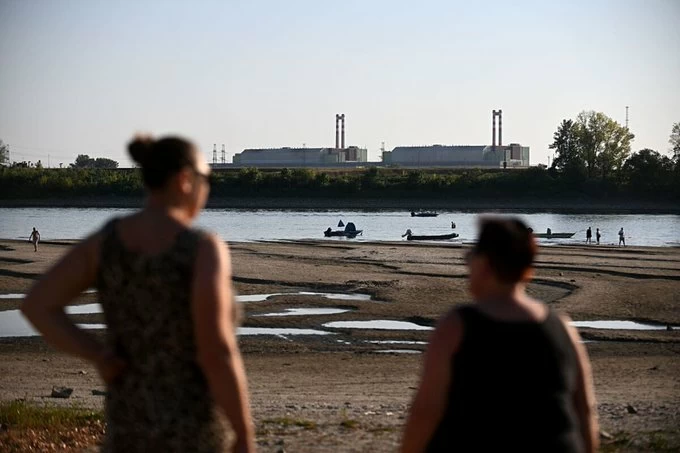
اضطرت المجر، لأول مرة منذ أكثر من 4 عقود، إلى إيقاف تشغيل محطة باكس للطاقة النووية، المحطة النووية الوحيدة في البلاد، بعد وصول منسوب مياه نهر الدانوب إلى مستويات قياسية من الانخفاض، ما أثر على قدرة المحطة على الحصول على المياه اللازمة لتبريد مفاعلاتها.
وأعلن رئيس الوزراء المجري بيتر ماجيار، اليوم (الأحد)، أن السلطات بدأت إيقاف تشغيل آخر وحدتي توليد تعملان في المحطة، بعدما خرجت إحدى الوحدتين من الخدمة في الساعة 1:30 صباحاً، ليتراجع إنتاج المحطة إلى نحو 240 ميجاوات فقط، على أن تتوقف بالكامل في اليوم التالي، في سابقة لم تشهدها البلاد منذ بدء تشغيل المحطة قبل 44 عاماً.
وأوضح ماجيار، في منشور عبر منصة «إكس»، أن أزمة انخفاض منسوب مياه الدانوب فرضت هذا القرار الاستثنائي، محذراً من أن تداعياته على قطاع الكهرباء قد تستمر لأسابيع، في ظل توقعات باستمرار الجفاف وارتفاع درجات الحرارة.
وفي إطار مواجهة الأزمة، أعلنت الحكومة المجرية حزمة من الإجراءات لترشيد استهلاك الكهرباء، تضمنت مطالبة كبار المستهلكين بخفض استهلاكهم طوعاً، مع التأكيد أن الأسر ستكون «آخر من تُفرض عليه القيود». كما قررت السلطات إطفاء الإنارة غير الضرورية في المباني الحكومية، وتشجيع الموظفين على العمل عن بُعد خلال الأسبوع القادم، إضافة إلى تعليق خدمات نقل البضائع بالسكك الحديدية خلال ساعات الذروة اعتباراً من الإثنين.
وقال رئيس الوزراء: «كل قطرة ماء مهمة»، في إشارة إلى خطورة الأزمة وتأثيرها المباشر على أمن الطاقة في البلاد.
وتقع محطة باكس على بعد نحو 100 كيلومتر جنوب العاصمة بودابست، وتضم 4 مفاعلات نووية تعود تقنيتها إلى الحقبة السوفيتية، وتوفر نحو 40% من إجمالي إنتاج الكهرباء في المجر، ما يجعلها ركيزة أساسية لمنظومة الطاقة الوطنية.
وكانت الشركة المشغلة للمحطة قد حذرت، (الجمعة)، من أن استمرار انخفاض منسوب نهر الدانوب قد يفرض وقف تشغيل المفاعلات، بعدما سجل النهر مستويات تاريخية متدنية نتيجة موجة جفاف طويلة وارتفاع غير مسبوق في درجات الحرارة التي تضرب أجزاء واسعة من أوروبا.
وتشير التقديرات الأولية إلى أن تراجع إنتاج محطة باكس سيكلف الاقتصاد المجري ما بين 300 و600 مليون يورو، نتيجة زيادة الاعتماد على استيراد الكهرباء وارتفاع أسعارها في الأسواق الأوروبية.
Hungary was forced, for the first time in over 4 decades, to shut down the Paks nuclear power plant, the only nuclear plant in the country, after the water level of the Danube River reached record low levels, affecting the plant's ability to obtain the necessary water to cool its reactors.
Hungarian Prime Minister Peter Magyar announced today (Sunday) that authorities began shutting down the last two operating units at the plant, after one of the units went offline at 1:30 AM, reducing the plant's output to about 240 megawatts, with a complete shutdown expected the following day, a first for the country since the plant began operations 44 years ago.
Magyar explained in a post on the "X" platform that the crisis of low Danube water levels necessitated this exceptional decision, warning that its repercussions on the electricity sector could last for weeks, amid forecasts of continued drought and rising temperatures.
In response to the crisis, the Hungarian government announced a package of measures to rationalize electricity consumption, which included urging large consumers to voluntarily reduce their usage, while emphasizing that households would be "the last to face restrictions." Authorities also decided to turn off unnecessary lighting in government buildings and encouraged employees to work remotely during the coming week, in addition to suspending freight transport services by rail during peak hours starting Monday.
The Prime Minister stated: "Every drop of water is important," referring to the severity of the crisis and its direct impact on the country's energy security.
The Paks plant is located about 100 kilometers south of the capital Budapest and includes 4 nuclear reactors that date back to the Soviet era, providing about 40% of Hungary's total electricity production, making it a cornerstone of the national energy system.
The operating company of the plant had warned on Friday that the continued decline in the Danube River's water level could force the shutdown of the reactors, after the river recorded historically low levels due to a prolonged drought and unprecedented heat affecting large parts of Europe.
Initial estimates suggest that the reduction in output from the Paks plant could cost the Hungarian economy between 300 and 600 million euros, due to increased reliance on electricity imports and rising prices in European markets.