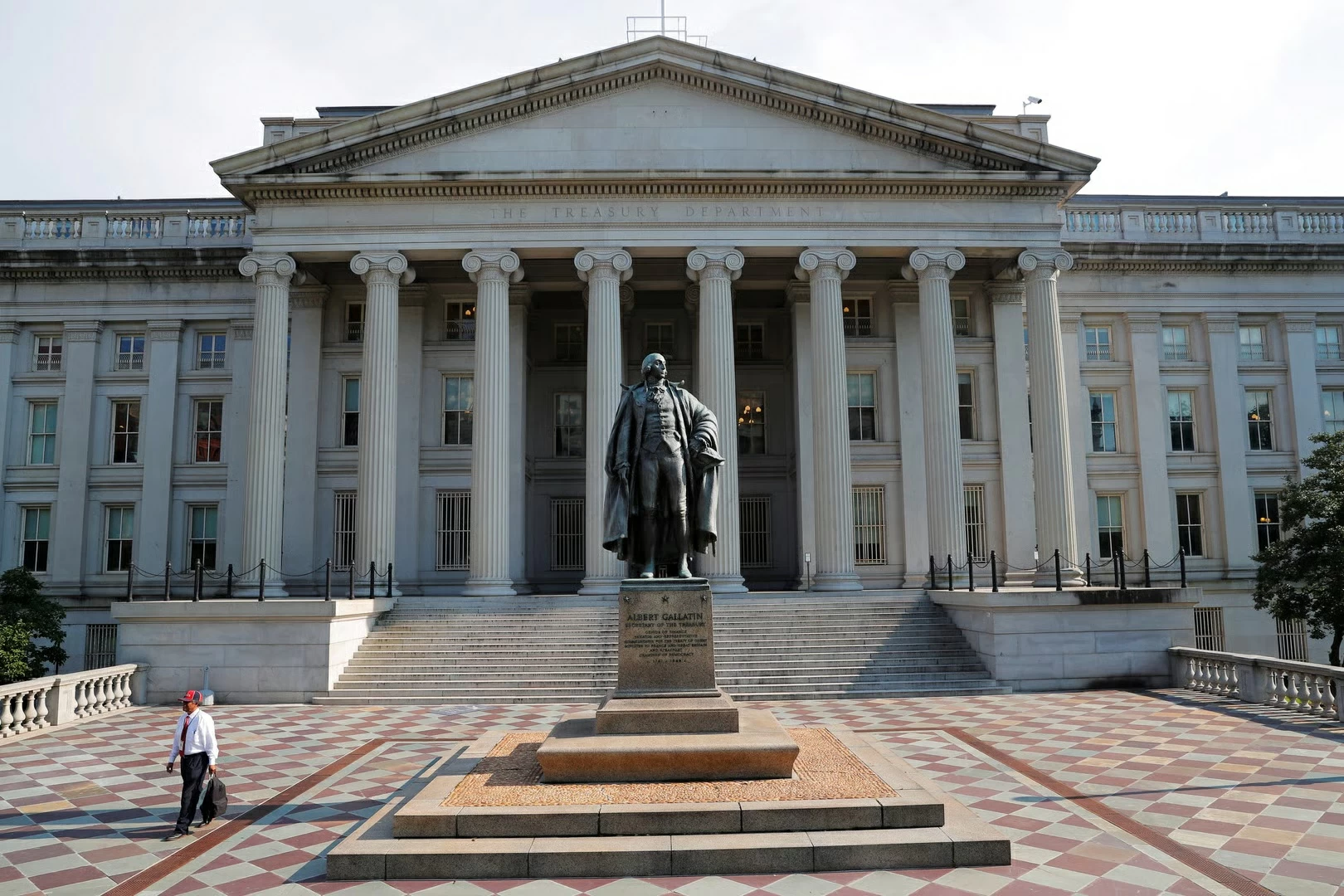
أعلنت وزارة الخزانة الأمريكية (الأربعاء) فرض عقوبات جديدة مرتبطة بإيران تستهدف 8 ناقلات و10 كيانات.
وأوضحت الوزارة في بيان على موقعها الإلكتروني أن مكتب مراقبة الأصول الأجنبية التابع لوزارة الخزانة الأمريكية اتخذ إجراءات إضافية ضد الجهود اليائسة التي يبذلها النظام الإيراني لتحقيق عائدات مالية من مضيق هرمز ودعم الاقتصاد المتعثر للبلاد.
وأشارت في البيان إلى أنه يفرض عقوبات على شركتين تمثلان عنصرًا أساسيًا في مخطط ابتزاز مدعوم من الحرس الثوري، يجبر السفن التجارية على شراء تأمين بحري إلزامي للعبور عبر مضيق هرمز.
وذكر البيان أنه ورغم أن هذه التغطية التأمينية تزعم حماية السفن من مخاطر مثل الاحتجاز أو المصادرة، فإن هذه المخاطر تُوجدها إيران نفسها في الغالب. وأشارت إلى أن النظام الإيراني يقوم بتسويق وثائق تأمين معتمدة من الحرس الثوري تهدف إلى تحصيل الإيرادات تحت غطاء تقديم الخدمات البحرية، بما في ذلك قبول المدفوعات بالأصول الرقمية للالتفاف على العقوبات، بما يسمح لإيران بتشديد سيطرتها على حركة الملاحة البحرية وتحويل الأموال إلى عمليات الحرس الثوري.
وقال وزير الخزانة الأمريكي سكوت بيسنت: «مع دخول الاقتصاد الإيراني في حالة انهيار وبلوغ التضخم مستويات من ثلاث خانات، أصبح النظام في أمس الحاجة إلى الأموال، ولن تسمح الولايات المتحدة لإيران باحتجاز التجارة العالمية رهينة أو باستخدام الشحن الدولي لتمويل إرهاب الحرس الثوري وعدوانه وقمعه».
وفرض المكتب الأمريكي عقوبات على أكثر من 100 سفينة مرتبطة بـ«أسطول الظل» الإيراني، وهو شبكة لوجستية سرية تُمكّن النظام الإيراني من مواصلة تدفق عائدات النفط رغم العقوبات الدولية.
وذكر البيان أن الإجراءات اتخذت اليوم بموجب الأمر التنفيذي رقم (13902)، الذي يستهدف قطاعي النفط والبتروكيماويات في إيران، ويُنفذ مذكرة الرئيس للأمن القومي رقم (NSPM-2)، الهادفة إلى فرض أقصى درجات الضغط الاقتصادي على إيران.
The U.S. Department of the Treasury announced on Wednesday the imposition of new sanctions related to Iran targeting 8 tankers and 10 entities.
The department clarified in a statement on its website that the Office of Foreign Assets Control (OFAC) took additional actions against the desperate efforts of the Iranian regime to generate financial revenues from the Strait of Hormuz and support the country's struggling economy.
It pointed out in the statement that sanctions are imposed on two companies that represent a key element in a scheme of extortion supported by the Revolutionary Guard, forcing commercial vessels to purchase mandatory marine insurance to transit through the Strait of Hormuz.
The statement mentioned that although this insurance coverage claims to protect ships from risks such as detention or confiscation, these risks are largely created by Iran itself. It noted that the Iranian regime markets insurance documents approved by the Revolutionary Guard aimed at generating revenue under the guise of providing maritime services, including accepting payments in digital assets to circumvent sanctions, allowing Iran to tighten its control over maritime navigation and funnel money to Revolutionary Guard operations.
U.S. Treasury Secretary Scott P. Smith stated, "As the Iranian economy collapses and inflation reaches triple-digit levels, the regime is in desperate need of funds, and the United States will not allow Iran to hold global trade hostage or use international shipping to finance the Revolutionary Guard's terrorism, aggression, and repression."
The U.S. office imposed sanctions on more than 100 vessels linked to the Iranian "shadow fleet," a secret logistics network that enables the Iranian regime to continue the flow of oil revenues despite international sanctions.
The statement noted that the actions were taken today under Executive Order No. 13902, which targets Iran's oil and petrochemical sectors, and implements the President's National Security Memorandum No. NSPM-2, aimed at exerting maximum economic pressure on Iran.