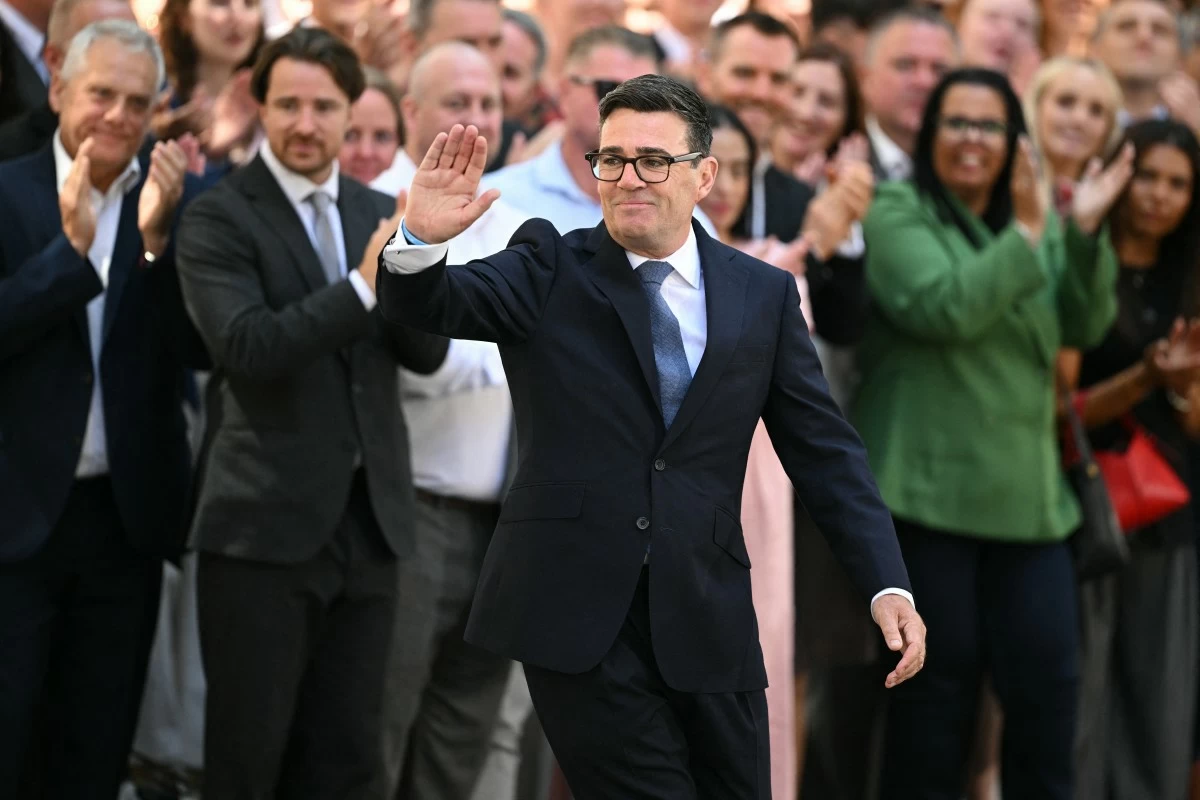
أكد رئيس الوزراء البريطاني الجديد آندي بيرنام أنه سيدافع عن المصالح الوطنية، ولن يتردد في انتقاد الرئيس الأمريكي دونالد ترمب إذا اقتضت الضرورة، ووصف ترمب بأنه كان «ودوداً للغاية» في أول مكالمة بينهما.
ونقلت هيئة الإذاعة البريطانية (BBC)، عن بيرنام في أول مقابلة كبرى يجريها منذ توليه منصبه، قوله: إنه لن يتردد في انتقاد الرئيس الأمريكي بشأن ما يراه الموقف الصحيح من حرب إيران، مشيراً إلى أنه كانت لديه مخاوف عندما بدأ الصراع.
وعندما سألته BBC مرتين عما إذا كان يثق بترمب، تجنب الإجابة، قائلاً: «إنه عالم يتغير، وعليك ببساطة أن تحكم على الأمور مع تطورها».
وأضاف في المقابلة، التي ستُبث كاملة (الإثنين): «لا يمكنني في أي وقت أن أقول إنني لن أتبنى رأياً مختلفاً عنه (ترمب)، أو إنني لن أحتاج إلى التعبير عن موقف مختلف أراه في مصلحة بريطانيا».
وحول ما إذا كان سينتقد ترمب إذا رأى أن ذلك هو الموقف الصحيح، أجاب: «بالطبع». وأضاف: «عليك أن تدافع عن مصلحتك الوطنية قبل أي شيء آخر، فهذا ما يتطلبه أداء هذه المهمة على النحو الصحيح».
وقال رئيس الوزراء البريطاني الجديد: «تكمن قوتي في البقاء قريباً من الناس والرأي العام، وهذا لن يتغير بعد أن أصبحت رئيساً للوزراء».
واستبعد بيرنام للمرة الأولى بشكل صريح إجراء انتخابات عامة مبكرة قبل موعدها المقرر في عام 2029، قائلاً: «أستبعد ذلك... لا أعتقد أن الناس يريدون انتخابات مبكرة». وأضاف أن تركيزه ينصب على «إعادة البلاد إلى المكان الذي ينبغي أن تكون عليه».
ولم يحدد بيرنام، الذي خلف كير ستارمر في رئاسة الوزراء الأسبوع الماضي، إطاراً زمنياً لالتزام حكومته برفع الإنفاق الدفاعي إلى 3% من الناتج المحلي الإجمالي.
واعتبر أن التحدي الأول الذي نواجهه معاً هو ضمان التمويل الكامل لخطة الاستثمار الدفاعي، وهذا هو الأمر الذي نركز عليه حالياً بينما نستعد لإقرار الموازنة في وقت لاحق من هذا العام.
وأعلن أن التحدي الذي يواجهه إلى جانب وزير المالية جون هيلي، يتمثل في ضمان توفير التمويل الكامل لخطة الاستثمار الدفاعي بالتزامن مع إعداد الموازنة في وقت لاحق من العام، مضيفاً أن الحكومة لا تزال تعمل على تحديد الكيفية المناسبة لتحقيق هدف رفع الإنفاق الدفاعي.
The new British Prime Minister Andy Burnham confirmed that he will defend national interests and will not hesitate to criticize U.S. President Donald Trump if necessary, describing Trump as "very friendly" during their first phone call.
The BBC reported Burnham's remarks in his first major interview since taking office, stating that he would not hesitate to criticize the U.S. President regarding what he sees as the correct stance on the Iran war, noting that he had concerns when the conflict began.
When the BBC asked him twice whether he trusts Trump, he avoided answering, saying: "It's a changing world, and you simply have to judge things as they develop."
He added in the interview, which will be broadcast in full on Monday: "I can never say that I won't adopt a different opinion from his (Trump), or that I won't need to express a different position that I see in the interest of Britain."
Regarding whether he would criticize Trump if he believed it was the right stance, he replied: "Of course." He added: "You have to defend your national interest above all else; that's what it takes to perform this role correctly."
The new British Prime Minister stated: "My strength lies in staying close to the people and public opinion, and that won't change now that I am Prime Minister."
Burnham explicitly ruled out the possibility of early general elections before the scheduled date in 2029, saying: "I rule that out... I don't think people want an early election." He added that his focus is on "getting the country back to where it should be."
Burnham, who succeeded Keir Starmer as Prime Minister last week, did not specify a timeline for his government's commitment to raise defense spending to 3% of GDP.
He considered that the first challenge we face together is ensuring full funding for the defense investment plan, which is what we are currently focusing on as we prepare to approve the budget later this year.
He announced that the challenge he faces alongside Chancellor John Healey is to ensure full funding for the defense investment plan while preparing the budget later in the year, adding that the government is still working on determining the appropriate way to achieve the goal of increasing defense spending.