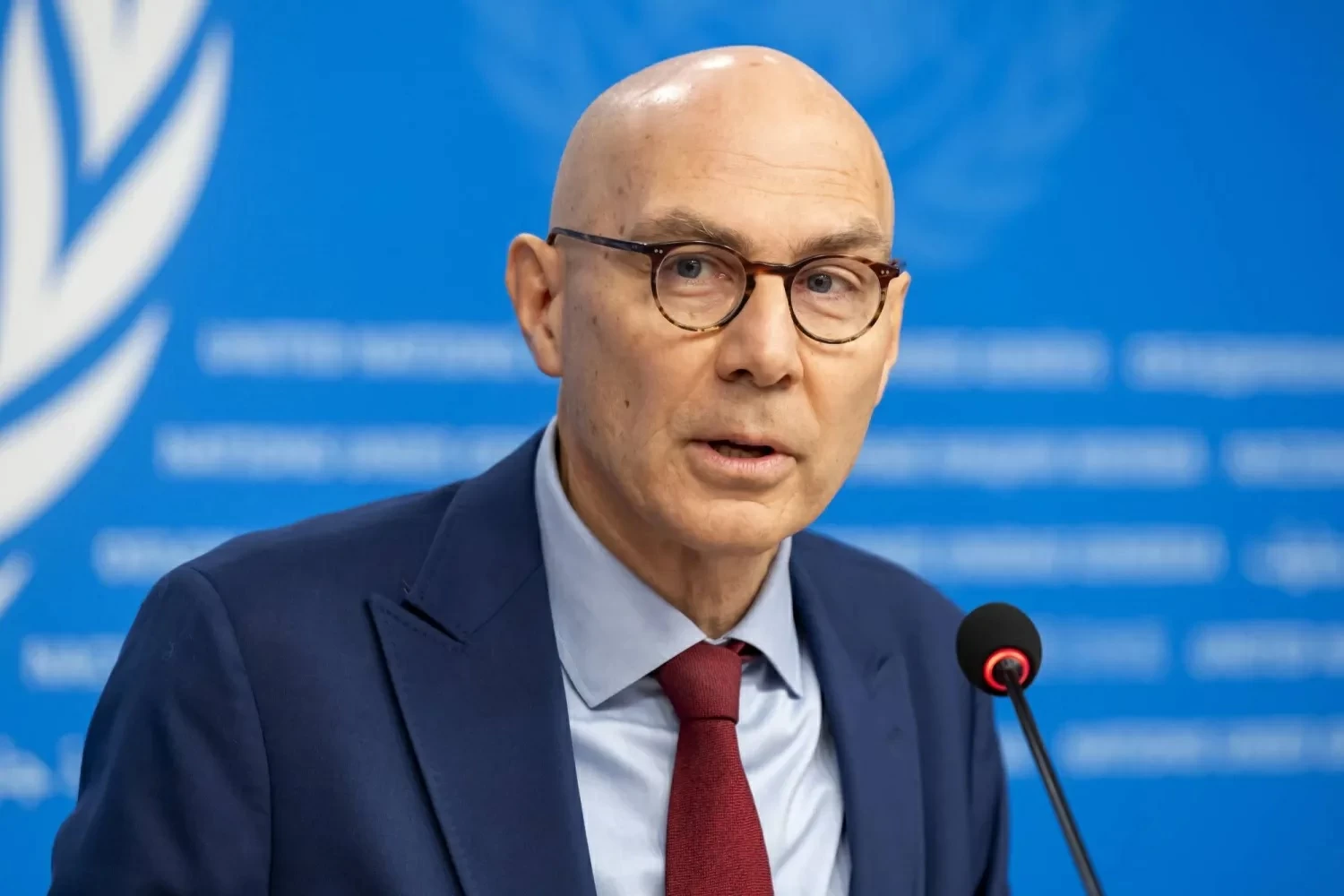
رغم معارضة الولايات المتحدة وروسيا وإسرائيل، نجح المحامي النمساوي فولكر تورك في حصد ولاية ثانية مفوضاً سامياً لحقوق الإنسان في الأمم المتحدة، ليبقى على رأس المفوضية لمدة 4 سنوات قادمة.
ورفضت الدول الأعضاء في الأمم المتحدة مقترحاً أمريكياً بتأجيل التصويت حتى نهاية الأسبوع القادم، واقتراحاً روسياً بتمديد ولاية تورك حتى نهاية العام فقط.
وجاءت نتيجة التصويت في الجمعية العامة، التي تضم 193 دولة، لصالح إعادة تعيين تورك بـ144 صوتاً مقابل 10 أصوات، مع امتناع 13 دولة عن التصويت.
وسلّط التصويت الضوء على تصاعد المواجهة بين إدارة الرئيس الأمريكي دونالد ترمب والأمم المتحدة، خصوصا أن واشنطن خفضت تمويلها لوكالات تابعة للأمم المتحدة وانسحبت من عشرات الكيانات التابعة للمنظمة الدولية.
وتدين إدارة ترمب للأمم المتحدة بنحو 4 مليارات دولار، تشمل رسومها الدورية وميزانية عمليات حفظ السلام التابعة للأمم المتحدة.
وتعدّ وظيفة تورك كمفوض الأمم المتحدة السامي لحقوق الإنسان، بطبيعتها، شائكة. فهي تتطلب منه التنديد بانتهاكات حقوق الإنسان التي قد ترتكبها حكومات أعضاء في المنظمة الدولية.
وواجه تورك، الذي كان من المفترض أن تنتهي ولايته في 11 أكتوبر، معارضة من منتقديه وبعض الدول بسبب انتقاده للهجمات الإسرائيلية على غزة. ولم يسبق لأي من أسلاف تورك أن شغل المنصب لولايتين كاملتين منذ استحداثه عام 1993.
وكان الأمين العام للأمم المتحدة أنطونيو غوتيريش اقترح فترة الولاية الثانية لتورك عندما تنتهي فترته الحالية في أكتوبر.
وحذر الممثل الأمريكي لشؤون إدارة وإصلاح الأمم المتحدة جيف بارتوس، قبل التصويت، من أن إعادة تعيين تورك ستثبت أن الجمعية العامة «مختلة وظيفياً»، وأن التصويت «أُقحم سراً على جدول الأعمال في اللحظة الأخيرة لتجاوز مراجعة جادة».
وأضاف: «لا شك في أن تسامح هذه الجمعية مع التجاوزات الإجرائية والصفقات السرية وإساءة استخدام المناصب الأممية سيؤدي إلى عواقب وخيمة. ستعيد الولايات المتحدة تقييم مشاركتها ودعمها وتمويلها على الفور».
وهاجم نائب السفير الروسي ديمتري تشوماكوف، غوتيريش، واتهمه بـ«زرع الفتنة» بين أعضاء الأمم المتحدة، كما اتهم تورك بـ«التحيز السياسي»، والترويج لـ«المصالح الجيوسياسية الغربية تحت ستار الاهتمام بحقوق الإنسان».
وقبل التصويت، وصفت وزارة الخارجية الإسرائيلية مساعي غوتيريش لإعادة تعيين تورك بأنها «أحدث إخفاق» للأمين العام للأمم المتحدة.
ورغم انتقاده للحرب الإسرائيلية على غزة، إلا أن تورك لم ينضم إلى خبراء حقوق الإنسان المستقلين التابعين للأمم المتحدة الذين اتهموا إسرائيل بارتكاب إبادة جماعية ضد الفلسطينيين.
Despite the opposition from the United States, Russia, and Israel, Austrian lawyer Volker Turk succeeded in securing a second term as the UN High Commissioner for Human Rights, remaining at the helm of the commission for the next 4 years.
The UN member states rejected a U.S. proposal to postpone the vote until the end of next week, as well as a Russian proposal to extend Turk's term only until the end of the year.
The result of the vote in the General Assembly, which includes 193 countries, was in favor of reappointing Turk with 144 votes in favor and 10 against, while 13 countries abstained from voting.
The vote highlighted the escalating confrontation between President Donald Trump's administration and the United Nations, especially as Washington has reduced its funding to UN agencies and withdrawn from dozens of entities affiliated with the international organization.
The Trump administration owes the UN about $4 billion, including its regular dues and the budget for UN peacekeeping operations.
Turk's role as the UN High Commissioner for Human Rights is inherently challenging. It requires him to condemn human rights violations that may be committed by governments that are members of the international organization.
Turk, whose term was supposed to end on October 11, faced opposition from his critics and some countries due to his criticism of Israeli attacks on Gaza. None of Turk's predecessors have held the position for two full terms since its establishment in 1993.
The UN Secretary-General Antonio Guterres proposed the second term for Turk when his current term ends in October.
Before the vote, the U.S. representative for UN management and reform, Jeff Bartos, warned that reappointing Turk would prove that the General Assembly is "dysfunctional," and that the vote was "secretly inserted into the agenda at the last minute to bypass serious review."
He added: "There is no doubt that this assembly's tolerance for procedural violations, secret deals, and the abuse of UN positions will lead to dire consequences. The United States will immediately reassess its participation, support, and funding."
Russian Deputy Ambassador Dmitry Chumakov attacked Guterres, accusing him of "stirring discord" among UN members, and accused Turk of "political bias" and promoting "Western geopolitical interests under the guise of concern for human rights."
Before the vote, the Israeli Foreign Ministry described Guterres' efforts to reappoint Turk as the "latest failure" of the UN Secretary-General.
Despite his criticism of the Israeli war on Gaza, Turk did not join the UN independent human rights experts who accused Israel of committing genocide against the Palestinians.