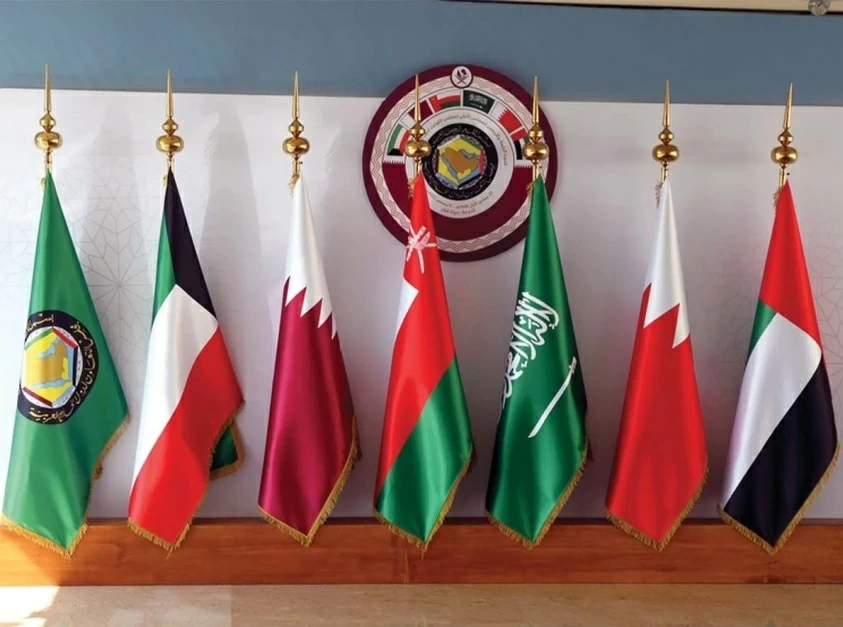
أعربت دول مجلس التعاون لدول الخليج العربية والمملكة الأردنية الهاشمية عن وحدتها في إدانة العدوان الذي تشنه إيران ووكلاؤها على أراضيها، مستندة إلى مواقف المجلس الوزاري لمجلس التعاون ومجلس وزراء خارجية جامعة الدول العربية والقانون الدولي وقرار مجلس الأمن رقم 2817 (2026).
وأكدت الدول السبع في بيان مشترك، اليوم (الخميس)، أن اعتداءات إيران على أراضيها ومواطنيها وبنيتها التحتية المدنية مستمرة دون توقف منذ 28 فبراير 2026، وعقب توقيع مذكرة التفاهم بين الولايات المتحدة الأمريكية وإيران بتاريخ 17 يونيو 2026، وقد تصاعدت هذه الاعتداءات بشكل خاص على مملكة البحرين ودولة الكويت والمملكة الأردنية الهاشمية، وشملت اعتداءات على منشآت الطاقة ومحطات تحلية المياه والموانئ والمطارات وغيرها من الأعيان المدنية. وشددت الدول السبع على أن هذه الاعتداءات تشكل أعمال عدوان صريحة تنتهك ميثاق الأمم المتحدة والقانون الدولي والقانون الدولي الإنساني وقرار مجلس الأمن رقم 2817 (2026)، والتعهدات التي قطعتها إيران بموجب مذكرة التفاهم، وتشكل تهديداً للسلم والأمن الدوليين.
وأكدت الدول السبع حقها في الدفاع عن النفس بشكل فردي أو جماعي وفقاً للمادة 51 من ميثاق الأمم المتحدة، وفي اتخاذ جميع التدابير القانونية اللازمة لحماية سيادتها وأراضيها ومواطنيها وسفنها التجارية وبنيتها التحتية الحيوية في وجه هذه الاعتداءات المستمرة. كما رحبت الدول السبع بقرار رئيس وزراء العراق بحصر السلاح في يد الدولة بموعد أقصاه 30 سبتمبر 2026، معبرة عن دعمها لما تتخذه حكومة العراق من إجراءات للحيلولة دون استمرار الفصائل والمليشيات والجماعات المسلحة الموالية لإيران بشن عملياتها العدائية على دول المنطقة. ودعت الدول السبع مجلس الأمن التابع للأمم المتحدة إلى إصدار قرار عاجل يطالب بوقف الاعتداءات الإيرانية فوراً، والاعتراف بحق الدول المتضررة في الدفاع عن النفس، وأن يمارس سلطته القانونية في النظر باتخاذ تدابير إضافية، إذا لم تتوقف هذه الاعتداءات.
وأشادت الدول السبع ببسالة قواتها المسلحة ومهنيتها وجاهزيتها العالية في الدفاع عن سيادتها وأمنها واستقرارها وسلامة المدنيين فيها، وتثمن صمود مواطنيها ووحدتهم في مواجهة هذه التحديات، مما يعكس منعة أوطانها وروابطها القوية بين قياداتها وشعوبها. وجددت الدول السبع التأكيد على التزامها بحرية وسلامة الملاحة في مضيق هرمز وباب المندب والحفاظ على الأمن والاستقرار الإقليمي، معربة عن استعدادها للعمل مع جميع دول المنطقة والمنظمة البحرية الدولية للتوصل إلى ترتيبات دائمة تنسجم مع القانون الدولي ومعاهدة الأمم المتحدة لقانون البحار وسيادة الدول وحسن الجوار.
وأعلنت دول مجلس التعاون والأردن تضامنها الكامل مع المملكة العربية السعودية ودعمها التام لما تتخذه من إجراءات مشروعة للحفاظ على سيادتها وأمنها واستقرارها وسلامة أراضيها، وتقديرها البالغ للجهود الدبلوماسية التي تقوم بها المملكة وسلطنة عمان للتوصل إلى حل سياسي شامل ودائم للأزمة اليمنية، وما تقدمه المملكة من دعم تنموي وإنساني لليمن.
The Gulf Cooperation Council countries and the Hashemite Kingdom of Jordan expressed their unity in condemning the aggression being waged by Iran and its proxies against their territories, based on the positions of the ministerial council of the Gulf Cooperation Council, the Council of Arab Foreign Ministers, international law, and United Nations Security Council Resolution No. 2817 (2026).
The seven countries confirmed in a joint statement today (Thursday) that Iran's attacks on their territories, citizens, and civilian infrastructure have continued unabated since February 28, 2026, following the signing of the memorandum of understanding between the United States and Iran on June 17, 2026. These attacks have particularly escalated against the Kingdom of Bahrain, the State of Kuwait, and the Hashemite Kingdom of Jordan, and have included assaults on energy facilities, water desalination plants, ports, airports, and other civilian sites. The seven countries emphasized that these attacks constitute blatant acts of aggression that violate the United Nations Charter, international law, international humanitarian law, and United Nations Security Council Resolution No. 2817 (2026), as well as the commitments made by Iran under the memorandum of understanding, and pose a threat to international peace and security.
The seven countries affirmed their right to self-defense individually or collectively in accordance with Article 51 of the United Nations Charter, and to take all necessary legal measures to protect their sovereignty, territories, citizens, commercial vessels, and critical infrastructure in the face of these ongoing attacks. They also welcomed the decision of the Prime Minister of Iraq to confine weapons to the hands of the state by no later than September 30, 2026, expressing their support for the measures taken by the Iraqi government to prevent the continuation of Iranian-aligned factions, militias, and armed groups from launching hostile operations against the countries of the region. The seven countries called on the United Nations Security Council to issue an urgent resolution demanding an immediate cessation of Iranian attacks, recognizing the right of affected countries to self-defense, and to exercise its legal authority to consider taking additional measures if these attacks do not cease.
The seven countries praised the bravery, professionalism, and high readiness of their armed forces in defending their sovereignty, security, stability, and the safety of civilians, and valued the resilience of their citizens and their unity in facing these challenges, reflecting the strength of their homelands and the strong bonds between their leaders and peoples. The seven countries reiterated their commitment to the freedom and safety of navigation in the Strait of Hormuz and Bab el-Mandeb, and to maintaining regional security and stability, expressing their readiness to work with all countries in the region and the International Maritime Organization to reach permanent arrangements consistent with international law, the United Nations Convention on the Law of the Sea, state sovereignty, and good neighborliness.
The Gulf Cooperation Council countries and Jordan announced their full solidarity with the Kingdom of Saudi Arabia and their complete support for its legitimate measures to maintain its sovereignty, security, stability, and territorial integrity, and their deep appreciation for the diplomatic efforts made by the Kingdom and the Sultanate of Oman to reach a comprehensive and lasting political solution to the Yemeni crisis, as well as the developmental and humanitarian support provided by the Kingdom to Yemen.