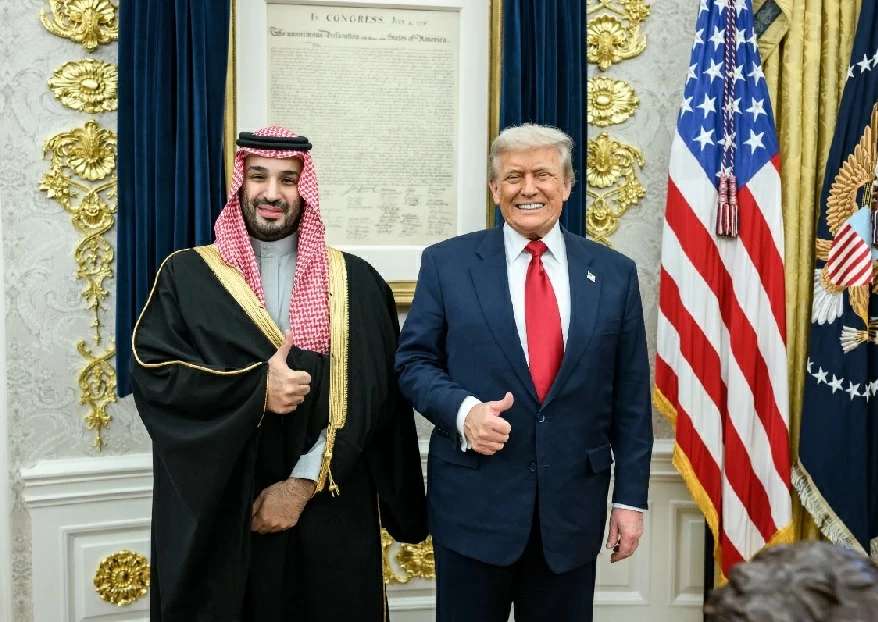
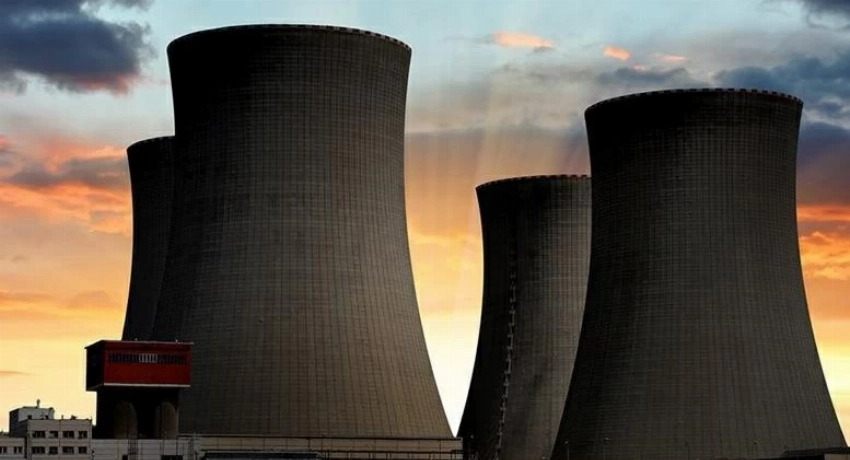
أقرّت إدارة الرئيس الأمريكي دونالد ترمب اتفاقًا للتعاون النووي المدني مع المملكة العربية السعودية، في خطوة تمثّل تحولًا مهمًا في مسار العلاقات الاستراتيجية بين البلدين، وتمهّد لإطلاق برنامج نووي مدني سعودي بدعم أمريكي يمتد على مدى 30 عامًا.
ووفق ما نقلت وكالة (أسوشيتد برس) وصحيفة (وول ستريت جورنال)، عن مسؤولين أمريكيين،فإنه يتوقع الإعلان الرسمي عن الاتفاق اليوم (الأربعاء)،، بعد استكمال الترتيبات النهائية بين الجانبين.
تعاون طويل الأمد
ويضع الاتفاق إطارًا قانونيًا للتعاون في مجال الطاقة النووية السلمية، عبر ما يُعرف بـ(اتفاقية المادة 123) المنبثقة من قانون الطاقة الذرية الأمريكي لعام 1954، التي تنظّم التعاون النووي المدني بين الولايات المتحدة والدول الأخرى، مع اشتراط الالتزام بمعايير صارمة لمنع الانتشار النووي. ويُتيح الاتفاق مشاركة الشركات الأمريكية في تصميم وتطوير البنية التحتية للبرنامج النووي السعودي.
تخصيب اليورانيوم
ومن أبرز بنود الاتفاق، إمكانية إنشاء منشأة لتخصيب اليورانيوم داخل المملكة، إذا أثبتت دراسة أمريكية سعودية مشتركة جدوى المشروع من الناحيتين الاقتصادية والفنية. وفي المقابل، أوضحت مصادر مطلعة أن الاتفاق لا يُلزم الولايات المتحدة بنقل تقنيات أو قدرات تخصيب اليورانيوم إلى السعودية، لكنه يوفر الإطار القانوني الذي يسمح بالتعاون في هذا المجال مستقبلًا، مع استمرار خضوع البرنامج لضمانات رقابية خاصة بالاستخدامات السلمية للطاقة النووية.
مراجعة الكونغرس
وتعتزم الإدارة الأمريكية إحالة الاتفاق إلى الكونغرس خلال الأيام القادمة لمراجعته، إلا أن دخوله حيز التنفيذ لا يتطلب تصويتًا بالموافقة، إذ لا يمكن تعطيله إلا إذا نجح الكونغرس في إقرار تشريع مشترك يحظى بأغلبية الثلثين لتجاوز أي حق نقض رئاسي، وهو ما يجعل فرص عرقلته محدودة.
رؤية استراتيجية
ويأتي الاتفاق في إطار مساعي المملكة لتنويع مصادر الطاقة ضمن مستهدفات رؤية السعودية 2030، وتقليل الاعتماد على النفط، عبر تطوير برنامج نووي مخصص للأغراض السلمية، في وقت تؤكد فيه واشنطن التزام أي تعاون نووي بأعلى معايير السلامة والرقابة ومنع الانتشار النووي. ومن المنتظر أن يوقِّع الاتفاق رسميًا وزير الطاقة الأمريكي كريس رايت ووزير الطاقة السعودي الأمير عبدالعزيز بن سلمان، ليشكل محطة جديدة في مسار الشراكة الاستراتيجية بين الرياض وواشنطن، ويفتح الباب أمام تعاون واسع في قطاع الطاقة النووية خلال العقود المقبلة.
The administration of U.S. President Donald Trump has approved a civil nuclear cooperation agreement with the Kingdom of Saudi Arabia, in a move that represents a significant shift in the trajectory of strategic relations between the two countries, paving the way for the launch of a Saudi civil nuclear program with U.S. support extending over 30 years.
According to what was reported by the Associated Press and the Wall Street Journal, citing U.S. officials, the official announcement of the agreement is expected today (Wednesday), after final arrangements between the two sides have been completed.
Long-term Cooperation
The agreement establishes a legal framework for cooperation in the field of peaceful nuclear energy, through what is known as the (123 Agreement) stemming from the U.S. Atomic Energy Act of 1954, which regulates civil nuclear cooperation between the United States and other countries, with the requirement to adhere to strict standards to prevent nuclear proliferation. The agreement allows U.S. companies to participate in the design and development of the infrastructure for the Saudi nuclear program.
Uranium Enrichment
Among the key provisions of the agreement is the possibility of establishing a uranium enrichment facility within the Kingdom, if a joint U.S.-Saudi study proves the project's feasibility from both economic and technical perspectives. In return, informed sources clarified that the agreement does not obligate the United States to transfer uranium enrichment technologies or capabilities to Saudi Arabia, but it provides the legal framework that allows for future cooperation in this area, while the program remains subject to specific safeguards regarding the peaceful uses of nuclear energy.
Congress Review
The U.S. administration intends to refer the agreement to Congress in the coming days for review; however, its entry into force does not require a vote of approval, as it can only be blocked if Congress successfully passes a joint legislation that receives a two-thirds majority to override any presidential veto, which makes the chances of obstructing it limited.
Strategic Vision
The agreement comes as part of the Kingdom's efforts to diversify energy sources within the targets of Saudi Vision 2030 and reduce dependence on oil, by developing a nuclear program dedicated to peaceful purposes, at a time when Washington emphasizes that any nuclear cooperation will adhere to the highest standards of safety, oversight, and non-proliferation. The agreement is expected to be officially signed by U.S. Energy Secretary Chris Wright and Saudi Energy Minister Prince Abdulaziz bin Salman, marking a new milestone in the strategic partnership between Riyadh and Washington, and opening the door for extensive cooperation in the nuclear energy sector over the coming decades.