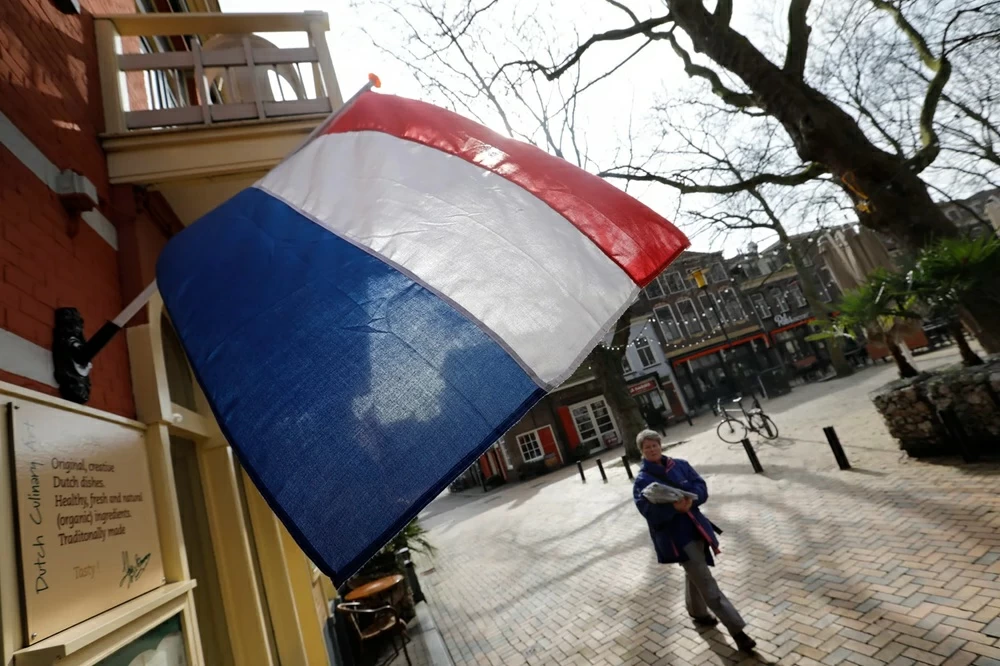
أعلنت الحكومة الهولندية فرض حظر شامل على استيراد وشراء وبيع جميع المنتجات القادمة من المستوطنات الإسرائيلية المقامة في الأراضي الفلسطينية المحتلة، اعتباراً من 22 سبتمبر القادم، في خطوة تُعدّ الأولى من نوعها على مستوى الاتحاد الأوروبي، مؤكدة أن القرار يشمل جميع السلع المنتجة في المستوطنات التي يعدها القانون الدولي غير شرعية، مع منع أي محاولات للالتفاف على الحظر عبر عمليات تجارية غير مباشرة.
وقالت وزارة الخارجية الهولندية: «إن الإجراء يأتي في إطار التزام هولندا بواجبها القانوني الدولي بعدم الإسهام في استمرار وضع غير قانوني».
ويأتي القرار عقب نشر تقرير لمنظمة Global Echo استند إلى دراسة أكثر من 30 ألف وثيقة إدارية تتعلق بنحو 6800 عملية تصدير زراعي إسرائيلية بين عام 2017 وفبراير 2026، أظهر أن 17.2% من الصادرات الزراعية الإسرائيلية إلى أوروبا جاءت من المستوطنات، فيما ارتفعت النسبة إلى 19.2% بالنسبة للصادرات المتجهة إلى دول الاتحاد الأوروبي.
ويأتي القرار في ظل استمرار الجدل داخل الاتحاد الأوروبي بشأن فرض حظر مماثل على منتجات المستوطنات، إذ لم تتوصل الدول الأعضاء إلى توافق حتى الآن، بينما سبق لكل من إيرلندا وبلجيكا وإسبانيا اتخاذ إجراءات أو إطلاق مسارات وطنية لتقييد التجارة مع المستوطنات، وإن كانت أقل شمولاً من القرار الهولندي.
كما يتزامن القرار مع تصاعد التوترات في الضفة الغربية المحتلة، حيث يعيش أكثر من 500 ألف مستوطن إسرائيلي إلى جانب نحو ثلاثة ملايين فلسطيني، وسط تقارير أممية ومنظمات حقوقية عن تزايد أعمال العنف في المنطقة منذ اندلاع الحرب في غزة.
يذكر أن منظمة «Global Echo» هي منظمة حقوقية غير حكومية تأسست عام 2018، وتختص برفع قضايا إستراتيجية في المحاكم الدولية ضد الشركات والأطراف الاقتصادية المتواطئة في انتهاكات حقوق الإنسان ضد الفلسطينيين تحت الاحتلال الإسرائيلي.
The Dutch government has announced a comprehensive ban on the import, purchase, and sale of all products coming from Israeli settlements established in the occupied Palestinian territories, effective from September 22, in a move considered the first of its kind within the European Union. It confirmed that the decision includes all goods produced in the settlements, which international law deems illegal, while preventing any attempts to circumvent the ban through indirect trade operations.
The Dutch Ministry of Foreign Affairs stated: "This measure comes as part of the Netherlands' commitment to its international legal obligation not to contribute to the continuation of an illegal situation."
The decision follows the publication of a report by Global Echo, based on a study of more than 30,000 administrative documents related to approximately 6,800 Israeli agricultural export operations between 2017 and February 2026, which showed that 17.2% of Israeli agricultural exports to Europe came from the settlements, while the percentage rose to 19.2% for exports heading to EU countries.
The decision comes amid ongoing debate within the European Union regarding the imposition of a similar ban on settlement products, as member states have yet to reach a consensus. Previously, both Ireland, Belgium, and Spain have taken measures or launched national pathways to restrict trade with the settlements, although these were less comprehensive than the Dutch decision.
Additionally, the decision coincides with rising tensions in the occupied West Bank, where over 500,000 Israeli settlers live alongside nearly three million Palestinians, amid UN reports and human rights organizations documenting an increase in violence in the region since the outbreak of war in Gaza.
It is worth noting that the organization "Global Echo" is a non-governmental human rights organization established in 2018, specializing in filing strategic cases in international courts against companies and economic entities complicit in human rights violations against Palestinians under Israeli occupation.