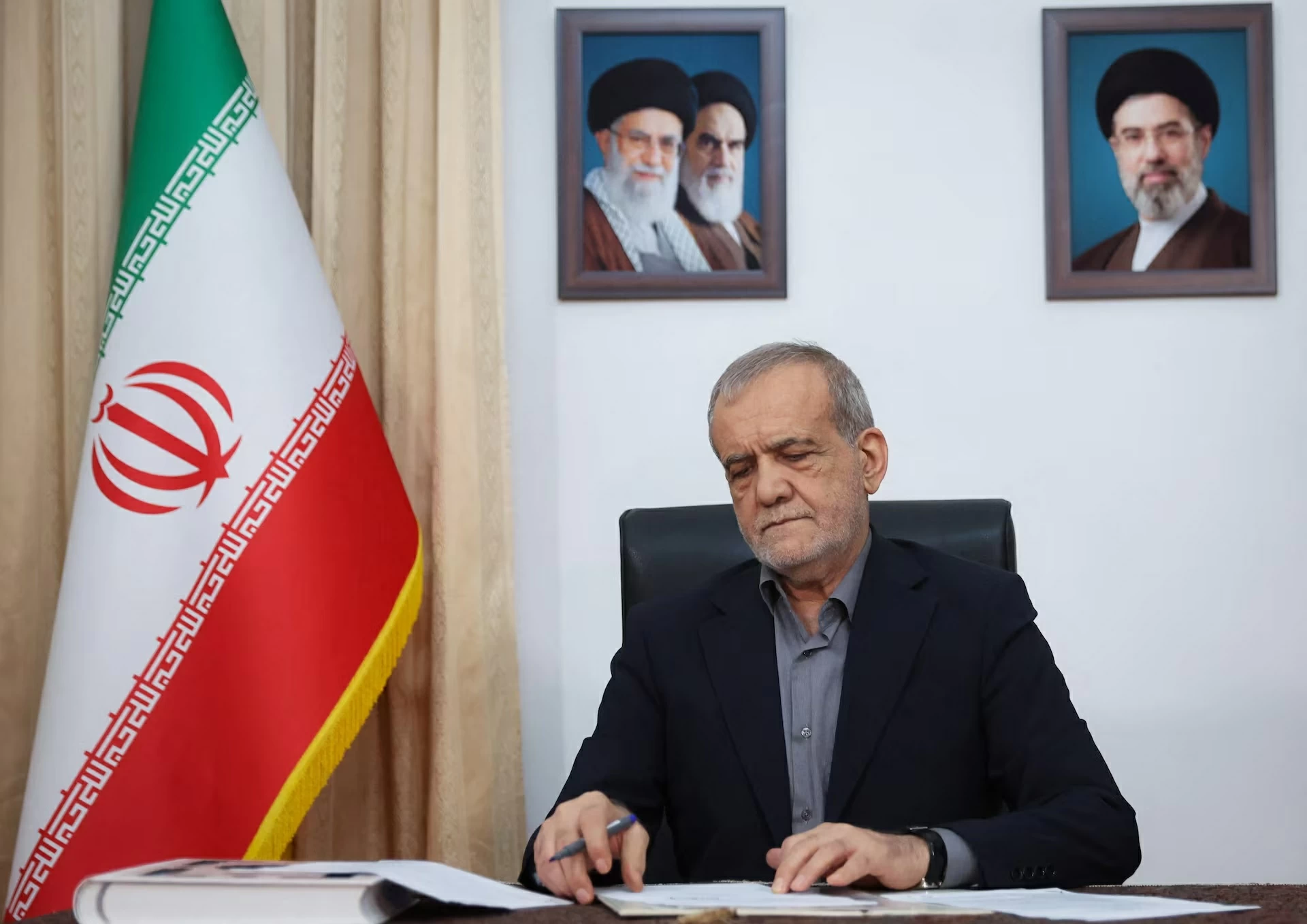
أفاد الرئيس الإيراني مسعود بزشكيان بأن طهران لم تتراجع عن أي من حقوقها أو مصالحها أو مبادئها في أي من البنود الـ 14 لمذكرة التفاهم التي أبرمتها مع الولايات المتحدة.
وأكد بزشكيان في كلمة له خلال اجتماع المجلس الأعلى للسلطة القضائية في طهران، اليوم (الإثنين)، أن إيران لم تقدم أي تنازلات، وأن معظم بنود مذكرة التفاهم جاءت لصالح بلاده، ولا تحقق مصلحة أحادية للولايات المتحدة. وأوضح الرئيس الإيراني أن بلاده تحتاج اليوم أكثر من أي وقت مضى إلى الوحدة والتضامن واتخاذ القرارات على أساس الحكمة الجماعية، مضيفاً أن الحرب الحالية لا تقتصر على الصواريخ، وأن من وصفه بالعدو أدرك عجزه عن إجبار الشعب الإيراني على الاستسلام عبر الهجمات العسكرية. وأشار إلى أن الضغوط الاقتصادية قد تضر بالإنجازات العسكرية والرأسمال الاجتماعي الذي تحقق في البلاد، مؤكداً أن إيران تمر بحالة حرب، ولا يمكن إدارة شؤونها بالقواعد والطرق التقليدية القديمة. وأفاد بأن القرارات المتخذة ينبغي أن تحظى بإجماع أركان الدولة، وإذا لم يحدث ذلك فإن النظام بأكمله سيواجه صعوبات، مؤكداً ضرورة مواجهة التهديدات الخارجية والمؤامرات بالتزامن مع معالجة القضايا الداخلية الضرورية. واعتبر أن طهران ثبتت على مواقفها في الدفاع عن البلاد، لافتاً إلى أنه يجب على الإيرانيين التحلي بالواقعية وتقبّل تداعيات مقاومتهم. في غضون ذلك، أعلن مصدر في وزارة الداخلية الباكستانية أن وزير الداخلية الإيراني إسكندر مؤمني سيزور العاصمة إسلام أباد مساء اليوم (الإثنين)، حاملاً رسالة من الرئيس الإيراني تتعلق بالأوضاع الراهنة إلى قادة باكستان التي لا تزال تؤدي دور الوسيط بين طهران وواشنطن، في ظل انهيار مذكرة التفاهم التي وقعها الطرفان في يونيو الماضي.
The Iranian President Masoud Bezhaskian stated that Tehran has not retreated from any of its rights, interests, or principles in any of the 14 clauses of the memorandum of understanding it signed with the United States.
Bezhaskian confirmed in a speech during a meeting of the Supreme Council of the Judiciary in Tehran today (Monday) that Iran has made no concessions, and that most of the clauses of the memorandum of understanding were in favor of his country, not serving a unilateral interest for the United States. The Iranian president explained that his country needs now more than ever unity and solidarity and to make decisions based on collective wisdom, adding that the current war is not limited to missiles, and that what he described as the enemy has realized its inability to force the Iranian people to surrender through military attacks. He pointed out that economic pressures could harm the military achievements and social capital that have been realized in the country, emphasizing that Iran is in a state of war, and its affairs cannot be managed by old traditional rules and methods. He stated that the decisions made should have the consensus of the pillars of the state, and if this does not happen, the entire system will face difficulties, stressing the necessity of confronting external threats and conspiracies while addressing essential internal issues. He considered that Tehran has remained steadfast in its positions defending the country, noting that Iranians must be realistic and accept the repercussions of their resistance. Meanwhile, a source in the Pakistani Interior Ministry announced that Iranian Interior Minister Iskandar Momeni will visit the capital Islamabad this evening (Monday), carrying a message from the Iranian president regarding the current situation to Pakistan's leaders, who continue to play the role of mediator between Tehran and Washington, amid the collapse of the memorandum of understanding signed by both parties last June.