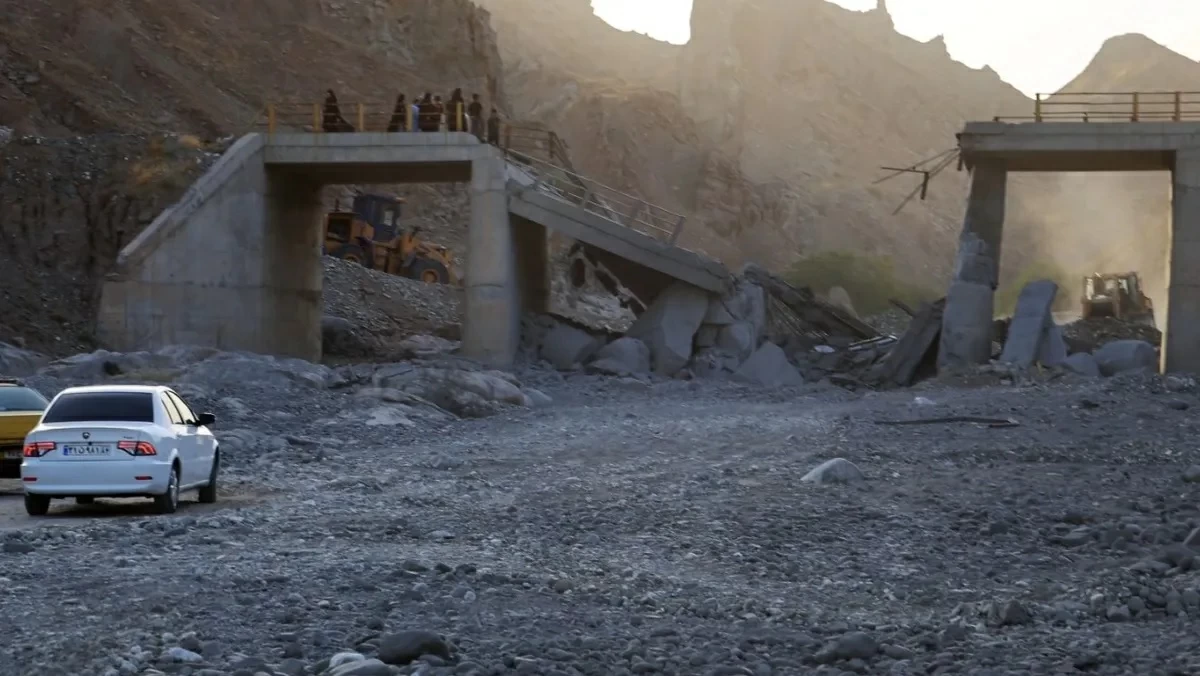
مع استمرار تبادل الضربات وارتفاع عدد القتلى منذ استئناف القتال قبل أسبوع، كشف تقرير لصحيفة «واشنطن بوست»، (الإثنين)، أن الولايات المتحدة وإيران تقتربان من مواجهة عسكرية واسعة، وسط تحذيرات من اتساع رقعة الصراع.
تعزيز انتشار الطائرات في المنطقة
ونقلت الصحيفة عن مسؤول أمريكي، قوله إن واشنطن «تستعد لحرب أوسع»، مشيراً إلى أن وزارة الحرب الأمريكية (البنتاغون) تعزز انتشار الطائرات العسكرية في المنطقة تحسباً لتصعيد إضافي. لكنه حذّر في الوقت نفسه من أن مخزونات الذخائر بعيدة المدى ومنظومات الدفاع الجوي بدأت تتراجع، إلى جانب وجود قيود على إرسال مزيد من القوات والطائرات بسبب الأضرار التي لحقت بالمعدات العسكرية. وأضاف: «لا نملك ما يكفي لمواصلة العمليات بأمان، ولا أعتقد أن البيت الأبيض يدرك حجم ذلك».
تحذيرات من التدخل البري
وحسب مدير برنامج الدراسات العسكرية والأمنية في معهد واشنطن لسياسات الشرق الأدنى، مايكل أيزنشتات، فإن أي انتشار لقوات أمريكية داخل الأراضي الإيرانية سيضعها في مرمى الصواريخ والطائرات المسيّرة. وحذر من أن تمركز القوات في مواقع ثابتة سيجعلها أهدافًا سهلة، وأن المرونة والعمليات السريعة توفر حماية أكبر للقوات.
فيما اعتبر خبير الشأن الإيراني في معهد دراسات الأمن القومي الإسرائيلي داني سيترينوفيتش، أن أي تدخل بري قد يؤدي إلى تصعيد واسع، ويدفع إيران ووكلاءها إلى تكثيف الهجمات بالصواريخ والطائرات المسيّرة، وربما زرع ألغام في مضيق هرمز واستهداف قواعد أمريكية.
أمريكا توسع نطاق الضربات
ووسعت الولايات المتحدة، اليوم (الإثنين)، نطاق ضرباتها على إيران، مستهدفة محافظات عدة في إيران، وشمل القصف مدينة بوشهر التي تضم محطة للطاقة النووية، فيما واصلت طهران استهداف دول خليجية والأردن، وأعلنت مسؤوليتها عن مهاجمة ناقلتَي نفط في مضيق هرمز.
وقالت القيادة المركزية الأمريكية «سنتكوم»، في منشور على منصة «إكس»، إنها استهدفت مراكز قيادة عسكرية إيرانية ومواقع للدفاع الجوي والمراقبة الساحلية وقدرات بحرية ومنصات لإطلاق الصواريخ والطائرات المسيّرة وشبكات اتصالات، بهدف «زيادة تقويض قدرة إيران على مهاجمة السفن التجارية والبحارة المدنيين العابرين لمضيق هرمز».
وتأتي الضربات في إطار تصاعد الهجمات بين الولايات المتحدة وإيران بعد انهيار اتفاق وقف إطلاق النار المؤقت الذي تم توقيعه قبل شهر، ما فاقم صراعًا من أجل السيطرة على مضيق هرمز، الأمر الذي أدى بدوره إلى تعطيل إمدادات الطاقة وإثارة المخاوف من تضخم عالمي.
As the exchange of strikes continues and the death toll rises since the resumption of fighting a week ago, a report by the Washington Post revealed on Monday that the United States and Iran are nearing a large-scale military confrontation, amid warnings of an expanding conflict.
Enhancing the Deployment of Aircraft in the Region
The newspaper quoted an American official stating that Washington "is preparing for a broader war," noting that the U.S. Department of Defense (Pentagon) is enhancing the deployment of military aircraft in the region in anticipation of further escalation. However, he warned at the same time that long-range ammunition stocks and air defense systems have begun to dwindle, alongside restrictions on sending more troops and aircraft due to damage to military equipment. He added: "We do not have enough to continue operations safely, and I don't think the White House realizes the extent of that."
Warnings of Ground Intervention
According to Michael Eisenstadt, director of the Military and Security Studies Program at the Washington Institute for Near East Policy, any deployment of American forces inside Iranian territory would put them in the crosshairs of missiles and drones. He warned that stationing troops in fixed positions would make them easy targets, and that flexibility and rapid operations provide greater protection for the forces.
Meanwhile, Israeli National Security Studies Institute expert on Iranian affairs, Dani Citrinowicz, considered that any ground intervention could lead to widespread escalation, pushing Iran and its proxies to intensify attacks with missiles and drones, and possibly lay mines in the Strait of Hormuz and target American bases.
America Expands the Scope of Strikes
The United States expanded its strikes on Iran today (Monday), targeting several provinces in Iran, including the city of Bushehr, which houses a nuclear power plant, while Tehran continued to target Gulf states and Jordan, claiming responsibility for attacking two oil tankers in the Strait of Hormuz.
The U.S. Central Command (CENTCOM) stated in a post on the platform "X" that it targeted Iranian military command centers, air defense sites, coastal surveillance capabilities, maritime assets, missile and drone launch platforms, and communication networks, with the aim of "further undermining Iran's ability to attack commercial vessels and civilian sailors transiting the Strait of Hormuz."
These strikes come amid escalating attacks between the United States and Iran following the collapse of a temporary ceasefire agreement signed a month ago, which exacerbated a struggle for control over the Strait of Hormuz, leading in turn to disruptions in energy supplies and raising fears of global inflation.