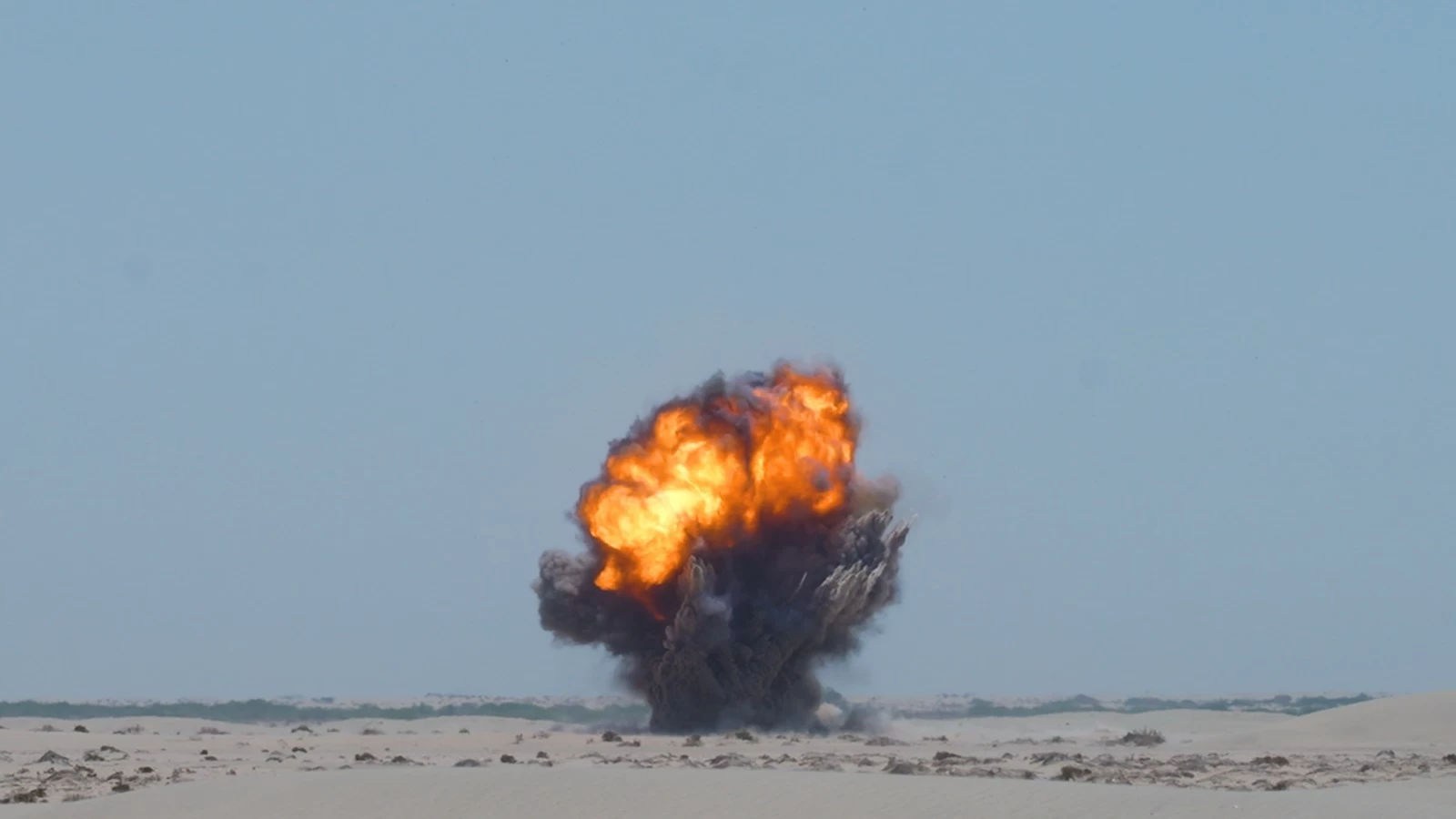
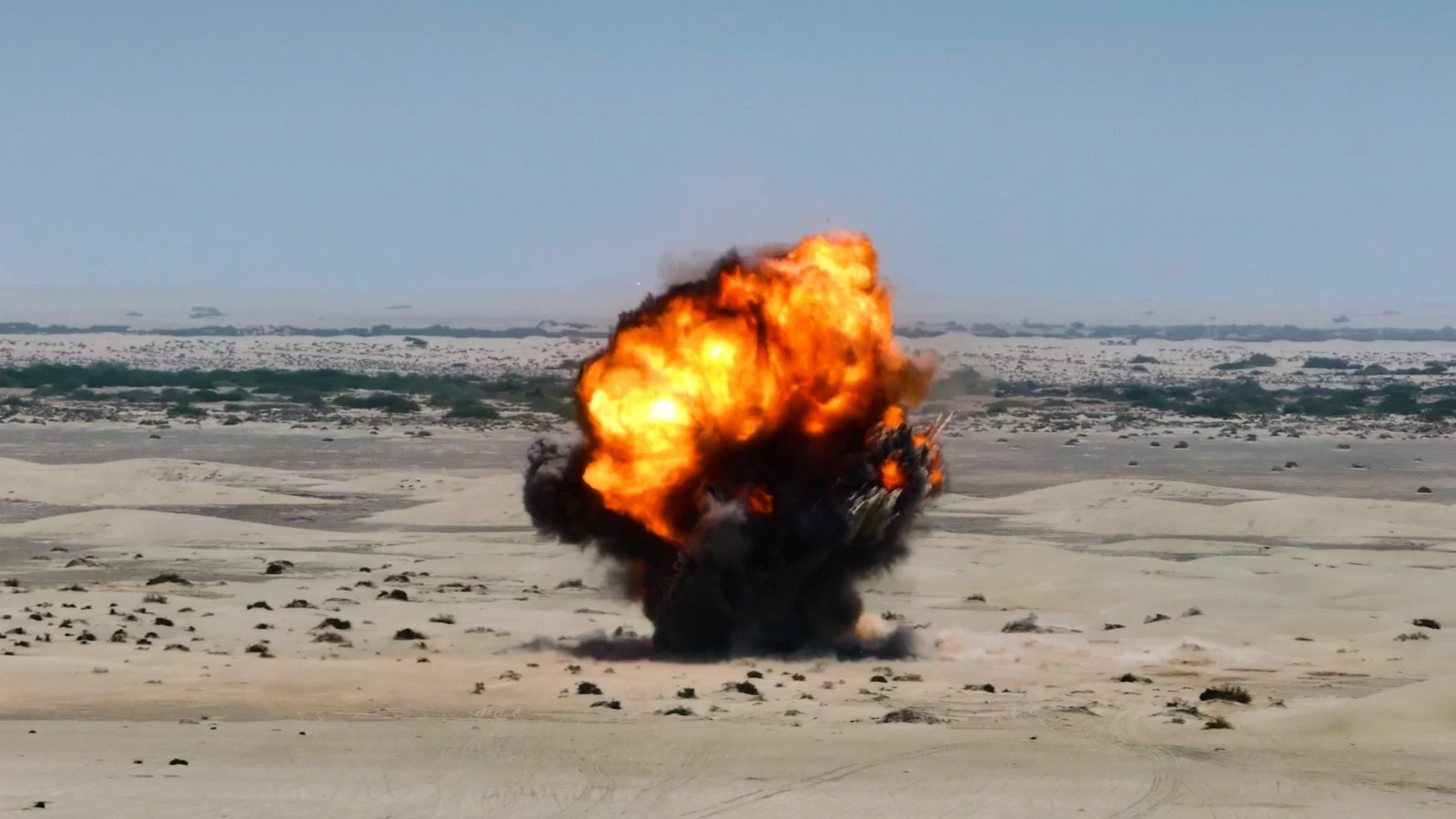
نفذ مشروع مسام لنزع الألغام-اليمن، عملية إتلاف لـ4573 قطعة من مخلفات الحرب غير المنفجرة، في منطقة وادي دوفس بمحافظة أبين.
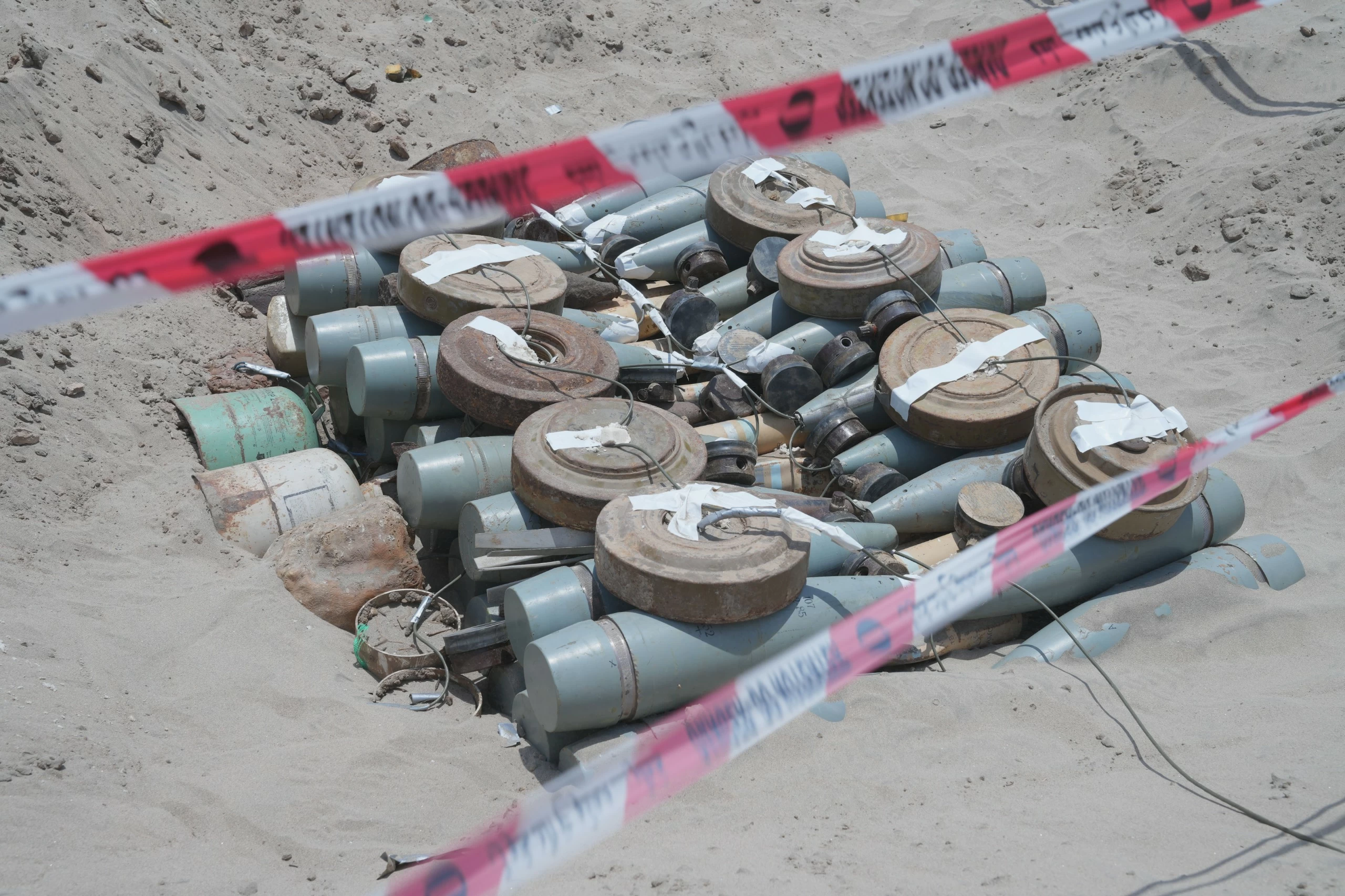
وشملت المواد التي تم إتلافها 321 قذيفة متنوعة، و3465 طلقة متنوعة، و41 لغماً مضاداً للأفراد، و11 لغماً مضاداً للدبابات، و31 قنبلة يدوية متنوعة، وصاروخين حراريين، و15 عبوة ناسفة، و322 سهماً صلباً، و333 فيوزاً متنوعاً، و32 صندوقاً لحشوات الدفع، بإجمالي 4573 قطعة من مخلفات الحرب.
وفي تصريح خاص لمكتب مسام الإعلامي، أوضح قائد فريق المهمات الخاصة الأول المهندس منذر قاسم أن المخلفات الحربية التي جرى إتلافها تم جمعها من 3 محافظات هي عدن وأبين ولحج، ضمن أعمال الفريق في تأمين المناطق وتخليصها من مخلفات الحرب غير المنفجرة.
وأشار إلى أن جزءاً من المخلفات التي تم إتلافها اليوم جُمع من منطقة صلاح الدين بمديرية البريقة في العاصمة عدن، عقب توجيهات من غرفة عمليات مشروع مسام للاستجابة لمناشدة أطلقها أهالي المنطقة بعد نشر مقطع فيديو يُظهر وجود مخلفات حربية غير منفجرة بين منازل المواطنين، إذ باشر الفريق النزول إلى الموقع، وتعامل مع المخلفات، وقام بجمعها ونقلها إلى موقع الإتلاف المخصص للتخلص منها بصورة آمنة.
وأضاف المهندس قاسم أن موقع وادي دوفس يُعد موقعاً آمناً ومعتمداً من قبل خبراء مشروع مسام لتنفيذ عمليات الإتلاف، بما يضمن التخلص من مخلفات الحرب غير المنفجرة وفق إجراءات السلامة المعتمدة.
وحذر من أن مخلفات الحرب لا تزال تشكل تهديداً مباشراً لحياة المدنيين، لافتاً إلى أن العبث بالأجسام المشبوهة أو الاقتراب منها قد يؤدي إلى حوادث مأساوية، خصوصاً في أوساط الأطفال والنساء، داعياً المواطنين إلى عدم التعامل معها وإبلاغ الجهات المختصة عند العثور على أي جسم يُشتبه بأنه من مخلفات الحرب.
The Masam project for mine clearance in Yemen executed the destruction of 4,573 pieces of unexploded ordnance in the Wadi Dofas area of Abyan Governorate.
The materials that were destroyed included 321 assorted shells, 3,465 assorted bullets, 41 anti-personnel mines, 11 anti-tank mines, 31 assorted hand grenades, two thermal rockets, 15 explosive devices, 322 solid projectiles, 333 assorted fuses, and 32 boxes of propellant charges, totaling 4,573 pieces of war remnants.
In a special statement to the Masam media office, the leader of the first special missions team, Engineer Munther Qassem, explained that the war remnants that were destroyed were collected from three governorates: Aden, Abyan, and Lahij, as part of the team's efforts to secure areas and rid them of unexploded war remnants.
He noted that part of the remnants destroyed today was collected from the Salah al-Din area in the Buraiqa district of the capital, Aden, following directives from the Masam project operations room in response to a plea from the local residents after a video was published showing unexploded war remnants among the homes of citizens. The team promptly went to the site, dealt with the remnants, and collected and transported them to the designated destruction site for safe disposal.
Engineer Qassem added that the Wadi Dofas site is considered a safe location approved by Masam project experts for conducting destruction operations, ensuring the disposal of unexploded war remnants in accordance with established safety procedures.
He warned that war remnants still pose a direct threat to civilian lives, pointing out that tampering with suspicious objects or approaching them could lead to tragic incidents, especially among children and women, urging citizens not to handle them and to report to the relevant authorities upon finding any object suspected to be war remnants.