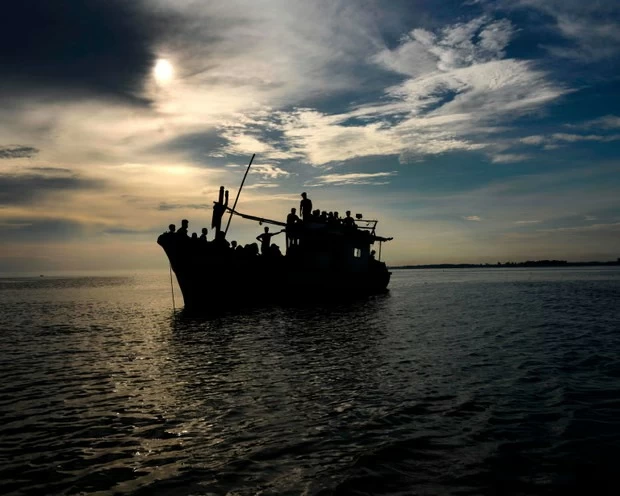
أعربت الأمم المتحدة عن مخاوفها من مقتل أكثر من 500 شخص بعد تقارير أفادت بغرق قاربين كانا يقلان لاجئين، معظمهم من أقلية الروهينغا، قبالة ساحل ميانمار منذ أواخر يونيو الماضي، في واحدة من أسوأ الكوارث البحرية التي تشهدها المنطقة خلال الفترة الأخيرة.
وفي بيان مشترك، أعربت كل من المنظمة الدولية للهجرة والمفوضية السامية للأمم المتحدة لشؤون اللاجئين عن بالغ قلقهما إزاء التقارير التي تشير إلى انقلاب قاربين كانا يحملان أكثر من 500 شخص قبالة ساحل ميانمار.
وأوضح البيان أن المعلومات الأولية تشير إلى أن القاربين انطلقا من ولاية راخين التي تشهد نزاعاً مستمراً في ميانمار أواخر يونيو، وكان على متنهما بشكل رئيسي أفراد من أقلية الروهينغا المسلمة، فيما انطلق بعض الركاب من مخيمات اللاجئين في منطقة كوكس بازار ببنغلاديش، التي تستضيف أكثر من مليون لاجئ من الروهينغا يعيشون في ظروف إنسانية صعبة.
قاربان اختفيا في ظروف بحرية خطرة
وبحسب الأمم المتحدة، فقد كان القارب الأول يقل نحو 250 شخصاً، وانقطع الاتصال به بعد وقت قصير من مغادرته. أما القارب الثاني، الذي كان يحمل نحو 280 شخصاً، فيُعتقد أنه غرق قبالة ساحل إقليم أيياروادي في ميانمار في 8 يوليو.
وأكدت المنظمتان أن هذه المعلومات وأعداد الضحايا لم تُؤكد رسمياً حتى الآن، إلا أنهما أعربتا عن قلق بالغ من احتمال وقوع خسائر بشرية كبيرة.
وأشار البيان إلى أن الرحلتين جرتا خارج موسم الإبحار المعتاد، وهي فترة تتسم باضطراب الأحوال الجوية وارتفاع المخاطر البحرية، خصوصاً مع الأمطار الغزيرة والفيضانات التي شهدتها المنطقة أخيراً.
أزمة إنسانية متفاقمة
وحذرت الأمم المتحدة من أنه إذا تأكدت هذه الحادثة، فإنها سترفع عدد المفقودين أو المتوفين في بحر أندامان وخليج البنغال منذ بداية العام إلى نحو 800 شخص، بعد تسجيل نحو 300 حالة وفاة أو فقدان في المنطقة خلال الأشهر الماضية، بينهم لاجئون من الروهينغا ومواطنون من بنغلاديش.
ويخاطر آلاف الروهينغا سنوياً بركوب قوارب متهالكة في رحلات بحرية خطرة بحثاً عن الأمان أو فرص حياة أفضل، وغالباً ما تنظم هذه الرحلات شبكات تهريب واتجار بالبشر تستغل أوضاعهم الإنسانية الصعبة.
ووفقاً لإحصاءات المفوضية السامية لشؤون اللاجئين، فقد سُجل خلال العام الماضي وحده نحو 900 شخص بين مفقود ومتوفى في البحر، من أصل أكثر من 6500 لاجئ حاولوا عبور شمال المحيط الهندي عبر هذه الرحلات الخطرة.
دعوات لتعزيز عمليات الإنقاذ
وأكدت المنظمتان الأمميتان أن استمرار الصراع المسلح وتدهور الأوضاع الإنسانية داخل ميانمار، إلى جانب محدودية المساعدات وفرص العيش في مخيمات اللاجئين في بنغلاديش، يدفعان مزيداً من الروهينغا إلى المخاطرة بحياتهم في البحر.
كما حذرتا من استمرار نشاط شبكات تهريب البشر والاتجار بالأشخاص، التي تستغل يأس الفارين من النزاعات والاضطهاد.
ودعت المنظمة الدولية للهجرة والمفوضية السامية لشؤون اللاجئين إلى تكثيف عمليات البحث والإنقاذ، وضمان وصول الفارين إلى الحماية وحق اللجوء، إلى جانب اتخاذ إجراءات أكثر صرامة ضد شبكات التهريب والاتجار بالبشر.
وفي الوقت نفسه، أشادت الأمم المتحدة ببنغلاديش لاستضافتها أعداداً كبيرة من لاجئي الروهينغا على مدار سنوات، لكنها شددت على ضرورة استمرار الدعم الدولي للمجتمعات المضيفة واللاجئين، والعمل على معالجة الأسباب الجذرية التي تدفع السكان إلى النزوح القسري والفرار عبر البحر.
The United Nations has expressed its concerns over the deaths of more than 500 people following reports of two boats carrying refugees, mostly from the Rohingya minority, sinking off the coast of Myanmar since late June, in one of the worst maritime disasters the region has witnessed in recent times.
In a joint statement, both the International Organization for Migration and the United Nations High Commissioner for Refugees expressed their deep concern regarding reports of the capsizing of two boats carrying more than 500 people off the coast of Myanmar.
The statement clarified that initial information indicates that the boats set off from Rakhine State, which has been experiencing ongoing conflict in Myanmar since late June, and that they mainly carried individuals from the Muslim Rohingya minority, while some passengers embarked from refugee camps in the Cox's Bazar area of Bangladesh, which hosts over a million Rohingya refugees living in dire humanitarian conditions.
Two boats disappeared in dangerous maritime conditions
According to the United Nations, the first boat carried about 250 people and lost contact shortly after departing. The second boat, which was carrying around 280 people, is believed to have sunk off the coast of the Ayeyarwady region in Myanmar on July 8.
The two organizations confirmed that this information and the number of victims have not yet been officially verified, but they expressed grave concern over the possibility of significant human losses.
The statement noted that the journeys took place outside the usual sailing season, which is characterized by turbulent weather and increased maritime risks, especially with the heavy rains and flooding that the region has recently experienced.
Escalating humanitarian crisis
The United Nations warned that if this incident is confirmed, it would raise the number of missing or deceased in the Andaman Sea and the Bay of Bengal since the beginning of the year to about 800 people, following the recording of around 300 deaths or disappearances in the region over the past months, including Rohingya refugees and Bangladeshi citizens.
Thousands of Rohingya risk their lives each year by boarding dilapidated boats on perilous sea journeys in search of safety or better living opportunities, and these journeys are often organized by smuggling and human trafficking networks that exploit their dire humanitarian conditions.
According to statistics from the UN High Commissioner for Refugees, nearly 900 people were recorded as missing or deceased at sea last year alone, out of more than 6,500 refugees who attempted to cross the northern Indian Ocean through these dangerous journeys.
Calls to enhance rescue operations
The two UN organizations confirmed that the ongoing armed conflict and the deterioration of humanitarian conditions within Myanmar, along with the limited aid and living opportunities in the refugee camps in Bangladesh, are pushing more Rohingya to risk their lives at sea.
They also warned of the continued activity of human smuggling and trafficking networks that exploit the desperation of those fleeing conflicts and persecution.
The International Organization for Migration and the UN High Commissioner for Refugees called for intensified search and rescue operations, ensuring that those fleeing have access to protection and the right to asylum, along with taking stricter measures against smuggling and human trafficking networks.
At the same time, the United Nations praised Bangladesh for hosting large numbers of Rohingya refugees over the years, but emphasized the need for continued international support for host communities and refugees, and working to address the root causes that drive populations to forced displacement and flight across the sea.