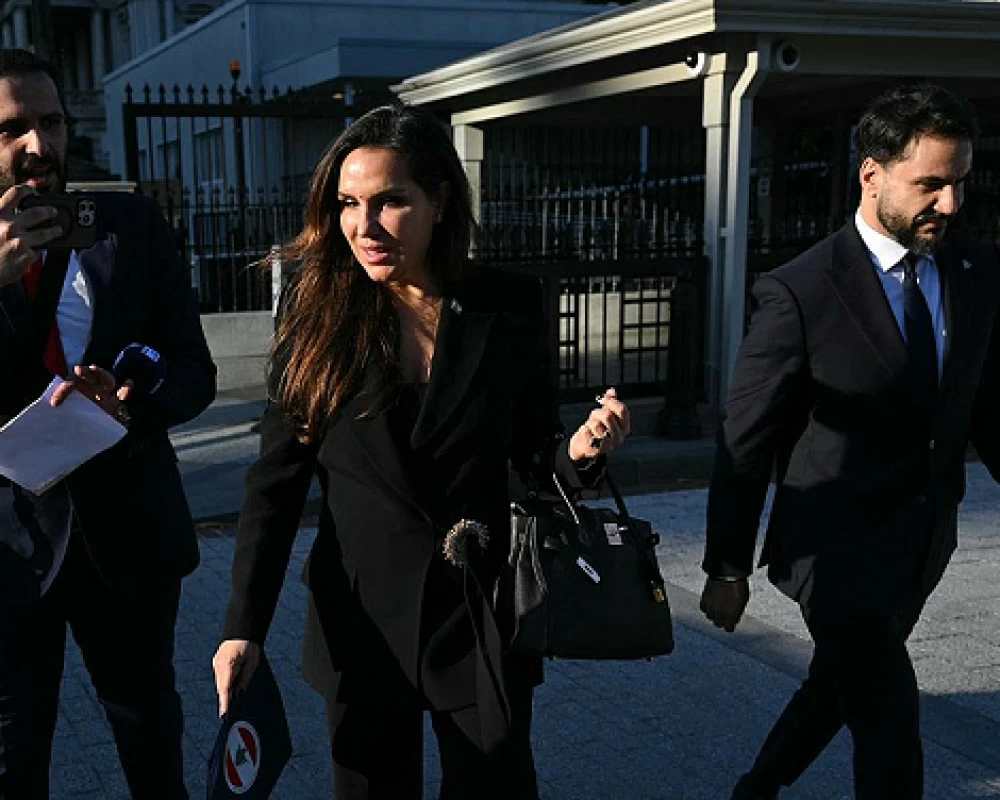
يستكمل لبنان وإسرائيل، اليوم (الأربعاء)، جولة ثانية من المفاوضات التي تعقد في روما بمقر السفارة الأمريكية، بعد جولة أمس التي اتسمت بشكل عام بأجواء إيجابية وهادئة خرقتها نقاشات حادة في مواضيع تتعلق بـ«المناطق التجريبية»، والانسحاب الإسرائيلي، وصلاحيات الجيش اللبناني.
ومع انتقال المفاوضات من المبادئ العامة إلى مرحلة التفاصيل التقنية والآليات التنفيذية، تبرز تساؤلات جوهرية تفرض نفسها على طاولة البحث وتحدد مصير الاتفاق: هل ستنجح صيغة المناطق النموذجية المقترحة في بناء حد أدنى من الثقة الميدانية المتبادلة؟ كيف سيتمكن الجيش اللبناني من موازنة مهامه الوطنية مع حجم التعقيدات الميدانية والسياسية الحساسة المحيطة به على الأرض؟ وهل تشكل هذه الجولة منصة حقيقية لانتزاع ورقة الانسحاب الإسرائيلي الكامل بضمانات دولية، أم أنها مجرد ترتيبات عسكرية مجزأة قد تكرس واقعاً ميدانياً قلقاً؟
البحث تركز أمس على ثلاث نقاط أساسية، تمثلت الأولى في «المناطق النموذجية»، حيث أصر الجانب الإسرائيلي على البدء ببلدات لا وجود عسكري له فيها، بينما تمسك لبنان بالانتشار الفوري للجيش في المناطق التي ينسحب منها الاحتلال. وأمام هذا السجال الذي لامس خطة الجيش والتعامل مع المسلحين، اقترح الوسيط الأمريكي مخرجاً يقضي باختيار بلدتين نموذجيتين: الأولى خالية من الوجود الإسرائيلي، والثانية ينسحب منها جيش الاحتلال لينتشر فيها الجيش اللبناني، لتكونا بمثابة اختبار تجريبي قابل للتوسع لاحقاً.
أما النقطة الثانية فتناولت تشكيل لجان تقنية مختصة تعمل تحت إشراف اللجنة السياسية لمتابعة تفاصيل الانسحاب وصياغة ترتيبات ما بعد الانسحاب. في حين تمحورت النقطة الثالثة حول الخروقات الأمنية، حيث طالب لبنان بوقفها الفوري، بينما تمسكت إسرائيل بـ«حق الدفاع عن النفس» بذريعة استمرار نشاط حزب الله على الأرض، وهو ملف معقد يُفترض أن يُحسم اليوم ليعقبه بيان يحدد التفاصيل والمهام.
ويمثل مشروع «المناطق التجريبية» الذي تدفع به واشنطن مقاربة تدريجية تهدف لقياس مستوى الالتزام واختبار قدرات الدولة اللبنانية، لكنه يثير في الوقت عينه ريبة بيروت حيال طبيعة هذه المناطق والضمانات المرتبطة بها.
وفي هذا السياق، يواجه الجيش اللبناني معادلة دقيقة، فهو الأداة التنفيذية لأي اتفاق، إلا أن حدود صلاحياته وآليات الانتشار التدريجي المترافق مع رقابة اللجنة الأمنية المشتركة لا تزال محل تباين قد يُرحّل إلى مراحل لاحقة.
وتكمن أهمية الجولة السادسة في إطلاق الفرق القانونية والتقنية لتفكيك بنود اتفاق الإطار، حيث يسعى لبنان إلى تحقيق إنجاز ملموس يتمثل في انتزاع صيغة واضحة للانسحاب وتوفير ضمانة أمريكية قوية لمتابعة التنفيذ، لتقوية موقف الرئيس جوزيف عون في محادثاته المرتبطة بزيارته المرتقبة إلى واشنطن ولقائه الرئيس دونالد ترمب.
Lebanon and Israel will continue today (Wednesday) the second round of negotiations taking place in Rome at the American embassy, following yesterday's round, which was generally characterized by positive and calm atmospheres, interrupted by intense discussions on topics related to "experimental areas," the Israeli withdrawal, and the powers of the Lebanese army.
As the negotiations shift from general principles to the stage of technical details and executive mechanisms, fundamental questions arise that impose themselves on the discussion table and determine the fate of the agreement: Will the proposed model areas succeed in building a minimum level of mutual field trust? How will the Lebanese army balance its national duties with the sensitive field and political complexities surrounding it on the ground? And does this round represent a real platform for extracting the complete Israeli withdrawal with international guarantees, or is it merely fragmented military arrangements that may entrench a concerning field reality?
Yesterday's discussions focused on three main points, the first of which was the "model areas," where the Israeli side insisted on starting with towns that have no military presence, while Lebanon insisted on the immediate deployment of the army in the areas from which the occupation withdraws. In light of this debate, which touched on the army's plan and its dealings with armed groups, the American mediator proposed a solution that involves selecting two model towns: the first free of Israeli presence, and the second from which the occupation army withdraws to allow the Lebanese army to deploy, serving as a test case that could later expand.
The second point addressed the formation of specialized technical committees working under the supervision of the political committee to follow up on the details of the withdrawal and to draft arrangements for the post-withdrawal period. Meanwhile, the third point revolved around security violations, where Lebanon demanded their immediate cessation, while Israel insisted on its "right to self-defense" under the pretext of Hezbollah's ongoing activities on the ground, a complex issue that is expected to be resolved today, followed by a statement outlining the details and tasks.
The "experimental areas" project pushed by Washington represents a gradual approach aimed at measuring the level of commitment and testing the capabilities of the Lebanese state, but it simultaneously raises Beirut's suspicions regarding the nature of these areas and the guarantees associated with them.
In this context, the Lebanese army faces a delicate equation; it is the executive tool for any agreement, yet the limits of its powers and the mechanisms for gradual deployment accompanied by oversight from the joint security committee remain points of divergence that may be postponed to later stages.
The significance of the sixth round lies in launching legal and technical teams to dismantle the framework agreement's provisions, as Lebanon seeks to achieve a tangible accomplishment represented in extracting a clear formula for withdrawal and providing a strong American guarantee for follow-up implementation, to strengthen President Joseph Aoun's position in his discussions related to his anticipated visit to Washington and his meeting with President Donald Trump.