نقلت شبكة CNN عن مصدر إقليمي قوله: إن بعض الحلفاء الإقليميين يوجهون رسائل إلى الولايات المتحدة وإيران في محاولة لمنع مزيد من التصعيد في الأعمال القتالية، والحفاظ على وقف إطلاق النار.
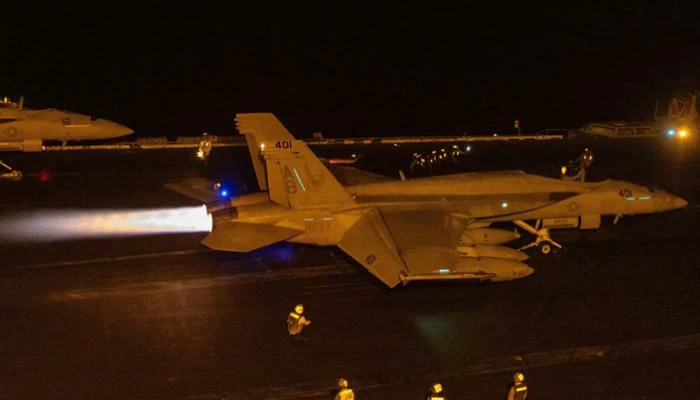
وتأتي هذه الرسائل في الوقت الذي شنت فيه الولايات المتحدة جولة جديدة من الهجمات على إيران، رداً على هجمات الحرس الثوري على السفن التجارية في مضيق هرمز.
وأعلنت القيادة المركزية الأمريكية (CENTCOM)، أنها ضربت أكثر من 80 هدفاً رداً على الهجمات الإيرانية الأخيرة التي استهدفت سفناً تجارية كانت تعبر مضيق هرمز.
من جانبه، قال الرئيس التركي رجب أردوغان إن موقف الرئيس الأمريكي دونالد ترمب «الحازم» بشأن محاولات التوصل لاتفاق مع إيران جدير بالإعجاب. ووجه أردوغان الشكر للولايات المتحدة، وإسبانيا، وألمانيا، وإيطاليا على الدعم الإضافي لدفاعاتنا الجوية خلال حرب إيران.
وأدانت سلطنة عمان الاستهدافات العسكرية التي طالبت البحرين والكويت، وما تعرضت له سفينتان تجاريتان سعودية وقطرية من حوادث استهداف في مضيق هرمز.
وأكدت الخارجية العمانية في بيان «تضامنها مع الدول الشقيقة في كل ما من شأنه صون أمنها واستقرارها وسلامة أراضيها وحماية سيادتها ومصالحها».
وأكدت أن «تصاعد التوتر العسكري في المنطقة يمثل تهديداً لأمنها وللسلامة الملاحية وانسيابية التجارة الدولية، وإمدادات الطاقة». وجددت «رفضها التام لأي أعمال من شأنها تقويض أمن الدول أو تعريض السفن المدنية والتجارية للخطر».
ودعت جميع الأطراف إلى «ضبط النفس، ووقف التصعيد، وتغليب لغة الحوار، والحلول الدبلوماسية، والالتزام بالتنفيذ التام للتفاهمات الموقعة، دعماً لجهود ترسيخ الأمن والسلام».
فيما أعلن المتحدث باسم وزارة الدفاع الكويتية العقيد الركن سعود عبدالعزيز العطوان، أن القوات المسلحة الكويتية رصدت فجر الأربعاء، صاروخين بالستيين، و13 طائرة مسيّرة معادية اخترقت المجال الجوي الكويتي، وتم اعتراضها والتعامل معها بنجاح. وأشار في بيان إلى أن الهجمات لم تسفر عن أي أضرار مادية أو إصابات بشرية.
CNN reported from a regional source that some regional allies are sending messages to the United States and Iran in an attempt to prevent further escalation in hostilities and to maintain the ceasefire.
These messages come at a time when the United States has launched a new round of attacks on Iran in response to the Revolutionary Guard's attacks on commercial vessels in the Strait of Hormuz.
The U.S. Central Command (CENTCOM) announced that it struck more than 80 targets in response to recent Iranian attacks that targeted commercial ships transiting the Strait of Hormuz.
For his part, Turkish President Recep Tayyip Erdoğan stated that U.S. President Donald Trump's "firm" stance regarding attempts to reach an agreement with Iran is commendable. Erdoğan thanked the United States, Spain, Germany, and Italy for the additional support for our air defenses during the Iran War.
The Sultanate of Oman condemned the military targeting that affected Bahrain and Kuwait, as well as the incidents involving Saudi and Qatari commercial vessels that were targeted in the Strait of Hormuz.
Oman's Foreign Ministry confirmed in a statement its "solidarity with brotherly countries in all that preserves their security, stability, territorial integrity, sovereignty, and interests."
It emphasized that "the escalation of military tension in the region poses a threat to its security, maritime safety, the smooth flow of international trade, and energy supplies." It reiterated its "complete rejection of any actions that could undermine the security of countries or endanger civilian and commercial vessels."
It called on all parties to "exercise restraint, halt escalation, prioritize dialogue, and diplomatic solutions, and commit to fully implementing signed agreements in support of efforts to establish security and peace."
Meanwhile, the spokesperson for the Kuwaiti Ministry of Defense, Colonel Saud Abdulaziz Al-Attuan, announced that the Kuwaiti armed forces detected two ballistic missiles and 13 hostile drones that breached Kuwaiti airspace early Wednesday, which were successfully intercepted and dealt with. He noted in a statement that the attacks did not result in any material damage or human casualties.