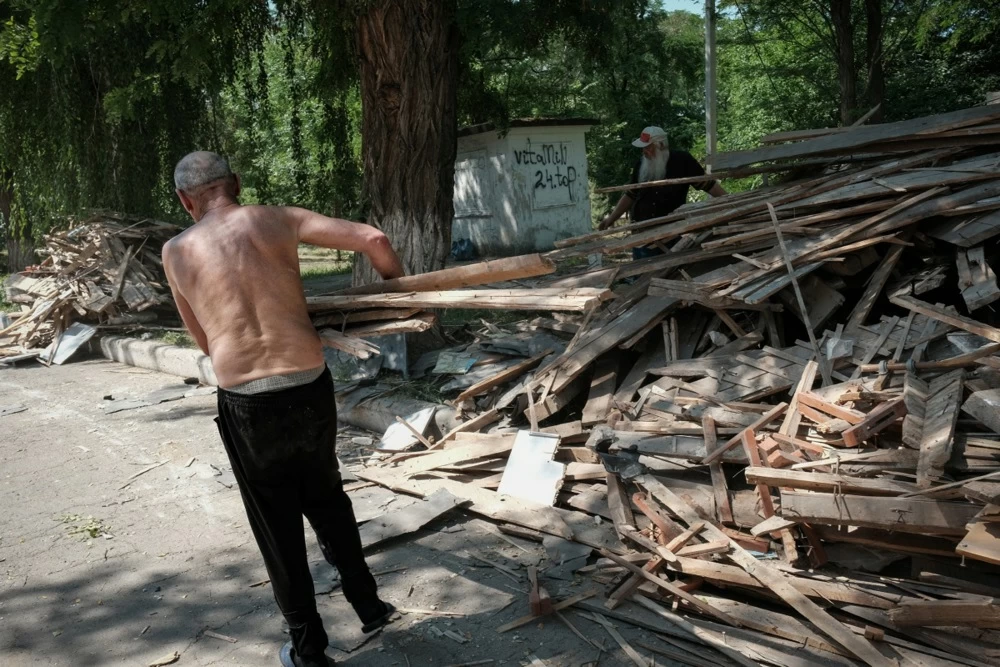
أعلنت وزارة الدفاع الروسية، اليوم (السبت)، السيطرة الكاملة على مدينة كونستانتينوفكا، مؤكدة أنها إحدى أهم المدن الاستراتيجية في إقليم دونباس. واعتبرت أن سقوطها يفتح الطريق أمام المرحلة التالية من العمليات العسكرية في الشرق الأوكراني.
وفيما لم يصدر تعليق أوكراني بشأن السيطرة على المدينة، قال نائب وزير الدفاع الروسي سيرغي رودسكوي إن القوات الروسية «سيطرت بالكامل على المدينة»، مؤكداً أن العمليات لا تزال مستمرة لملاحقة ما وصفها بـ«فلول القوات الأوكرانية». وأضاف أن كونستانتينوفكا تحتل المرتبة السابعة بين مدن دونباس من حيث المساحة وعدد السكان، وتعد مفتاحاً للوصول إلى مدينتي كراماتورسك وسلوفيانسك.
وتمثل السيطرة على كونستانتينوفكا جزءاً من استراتيجية روسية تقوم على تفكيك الحزام الدفاعي الذي أقامته كييف على مدى أكثر من 10 سنوات في دونيتسك.
وبعد السيطرة على مدن مثل أفدييفكا ثم تشاسيف يار، أصبحت كونستانتينوفكا تمثل الحلقة التالية في هذا الخط الدفاعي، بينما يبقى الهدف النهائي الوصول إلى كراماتورسك وسلوفيانسك، آخر المدينتين الكبيرتين الخاضعتين لسيطرة كييف في دونيتسك.
وتصف موسكو هذه المدن بأنها «القلاع الأربع» التي بنت عليها أوكرانيا دفاعاتها في الإقليم، ولذلك فإن سقوط إحداها لا يعني خسارة مدينة فقط، بل انهيار جزء من المنظومة الدفاعية بأكملها.
وتكمن الأهمية الاستراتيجية للمدينة في أنها تبعد أقل من 25 كيلومتراً عن كراماتورسك، التي تعد المركز الإداري والعسكري الأهم للقوات الأوكرانية في دونباس، كما تشكل مع سلوفيانسك مركز قيادة العمليات في الشرق.
ويعتقد الخبراء أنه إذا تمكنت القوات الروسية من تثبيت سيطرتها عليها وتأمين محيطها، فإنها ستكون قادرة على ممارسة ضغط عسكري مباشر على المدينتين، سواء عبر التقدم البري أو استهداف خطوط الإمداد.
وتشكل كونستانتينوفكا مركزاً لتوزيع الذخائر والوقود وتعزيزات القوات الأوكرانية على امتداد جبهة دونيتسك، كما تضم بنية تحتية للنقل والصيانة تجعلها محطة رئيسية في إدارة العمليات العسكرية.
وفي حال سيطرة موسكو عليها ستضطر كييف إلى إعادة تنظيم خطوط الإمداد لمسافات أطول، وهو ما قد يبطئ حركة التعزيزات ويزيد الضغط على القوات المنتشرة في كراماتورسك وسلوفيانسك.
وأسفرت المعارك عن تحييد نحو 13.5 ألف جندي أوكراني، وتدمير 14 دبابة و8 منصات إطلاق صواريخ وأكثر من 200 قطعة مدفعية، وهي أرقام لم يتسن التحقق منها من مصادر مستقلة.
The Russian Ministry of Defense announced today (Saturday) the complete control of the city of Konstantinovka, confirming that it is one of the most important strategic cities in the Donbas region. It stated that its fall opens the way for the next phase of military operations in eastern Ukraine.
While there has been no Ukrainian comment regarding the control of the city, Russian Deputy Defense Minister Sergey Rudskoy stated that Russian forces "have fully taken control of the city," confirming that operations are still ongoing to pursue what he described as "remnants of Ukrainian forces." He added that Konstantinovka ranks seventh among the cities of Donbas in terms of area and population and is key to reaching the cities of Kramatorsk and Sloviansk.
The control of Konstantinovka represents part of a Russian strategy aimed at dismantling the defensive belt that Kyiv has established over more than 10 years in Donetsk.
After taking control of cities like Avdiivka and then Chasiv Yar, Konstantinovka now represents the next link in this defensive line, while the ultimate goal remains to reach Kramatorsk and Sloviansk, the last two major cities under Kyiv's control in Donetsk.
Moscow describes these cities as the "four fortresses" upon which Ukraine has built its defenses in the region, and thus the fall of one of them does not only mean the loss of a city but the collapse of part of the entire defensive system.
The strategic importance of the city lies in its proximity, less than 25 kilometers from Kramatorsk, which is considered the most important administrative and military center for Ukrainian forces in Donbas, and it, along with Sloviansk, forms the command center for operations in the east.
Experts believe that if Russian forces manage to secure their control over it and secure its surroundings, they will be able to exert direct military pressure on the two cities, either through ground advances or by targeting supply lines.
Konstantinovka serves as a center for distributing ammunition, fuel, and reinforcements for Ukrainian forces along the Donetsk front, and it has transportation and maintenance infrastructure that makes it a key hub for managing military operations.
If Moscow gains control over it, Kyiv will have to reorganize its supply lines over longer distances, which could slow down the movement of reinforcements and increase pressure on the forces deployed in Kramatorsk and Sloviansk.
The battles have resulted in the neutralization of about 13,500 Ukrainian soldiers, the destruction of 14 tanks, 8 rocket launchers, and more than 200 artillery pieces, figures that could not be independently verified.