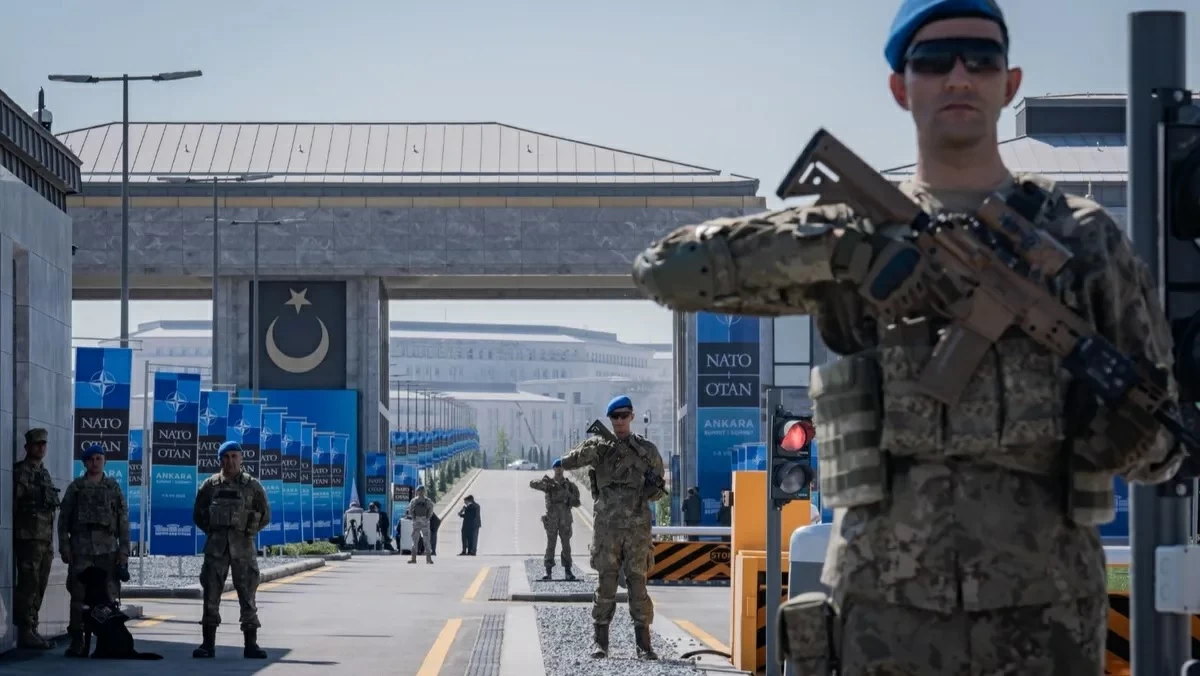
تنعقد قمة قادة حلف شمال الأطلسي يومي 7و8 يوليو الجاري، وسط خلافات داخلية لم تنجح الدول الأعضاء في حسمها بالكامل، رغم مواصلة الدبلوماسيين في مقر الحلف ببروكسل مفاوضاتهم حتى الأيام الأخيرة قبل انعقاد الاجتماع، بحسب وكالة «بلومبيرغ».
وتشمل الخلافات ملفات تتعلق بتمويل مشاريع البنية التحتية العسكرية، ومستقبل الدعم العسكري لأوكرانيا، وتقاسم أعباء الإنفاق الدفاعي بين الحلفاء.
في أول اجتماع للناتو منذ الحرب بين الولايات المتحدة وإيران، يتوقع أن يتصدر الملف الإيراني أجندة القمة.
وبحسب مسودة البيان الختامي، التي اطلعت عليها «رويترز»، سيؤكد قادة الناتو، بمن فيهم الرئيس الأمريكي دونالد ترمب، أن إيران يجب ألا تمتلك سلاحاً نووياً أبداً، وسيدعون طهران إلى الاحترام الكامل لحرية الملاحة في مضيق هرمز.
ومن المنتظر أن يجدد القادة «التزاماً راسخاً» بالمادة الخامسة من معاهدة الحلف، التي تنص على أن أي هجوم على دولة عضو فيه يعد هجوماً على جميع أعضاء الناتو، في خطوة تهدف إلى تبديد الشكوك التي أثارتها تصريحات ترمب الأخيرة بشأن مستقبل الالتزام الأمريكي بأمن أوروبا.
وانتقد ترمب مجدداً مستوى الإنفاق العسكري الأوروبي، معتبراً أن مساهمة ألمانيا مقارنة بالولايات المتحدة «أمر مثير للسخرية».
ورد المستشار الألماني فريدريش ميرتس على تلك الانتقادات، مؤكداً أن بلاده ستضاعف ميزانية الدفاع خلال السنوات الأربع القادمة، مضيفاً أن ألمانيا «ليست بحاجة إلى الاختباء خلف أحد».
وقال ميرتس، اليوم (الجمعة)، إنه «لا داعي لأن تتجنب برلين الإشادة بسجلها في مجال الإنفاق الدفاعي»، رداً على سؤال بشأن وصف الرئيس الأمريكي للجهود الألمانية السابقة بأنها «سخيفة».
وأضاف للصحفيين أن «ألمانيا تعمل على مضاعفة ميزانيتها الدفاعية في غضون أربع سنوات. وهذا أكبر جهد بذلناه على الإطلاق لتعزيز قدراتنا الدفاعية. وفي هذا الصدد، ليس لدينا أي سبب للخجل من أي أحد».
وبشأن أوكرانيا، لا تزال بعض الدول تدفع نحو تخفيف صياغة الالتزامات الواردة في البيان الختامي. وسعت إيطاليا إلى تخفيف التعهد باستمرار تقديم المساعدات العسكرية لكييف حتى نهاية العام القادم، فيما دعا مسؤولون بولنديون إلى توخي الحذر بشأن تقديم مزيد من الدعم المالي للحكومة الأوكرانية.
ورغم هذه التباينات، تنص مسودة البيان على تعهد أعضاء الحلف بتقديم 70 مليار يورو من المساعدات العسكرية لأوكرانيا خلال عام 2026، مع الحفاظ على مستوى مماثل من الدعم في عام 2027. إلا أن هذه الأرقام لا تمثل التزامات مالية جديدة، إذ تشمل التعهد السنوي السابق للناتو البالغ 40 مليار يورو، إضافة إلى تمويل يوفره الاتحاد الأوروبي عبر قرض بقيمة 30 مليار يورو سنوياً.
The NATO leaders' summit will take place on July 7 and 8, amidst internal disagreements that member states have not fully resolved, despite diplomats at the alliance's headquarters in Brussels continuing their negotiations until the final days before the meeting, according to Bloomberg.
The disagreements include issues related to funding military infrastructure projects, the future of military support for Ukraine, and the sharing of defense spending burdens among allies.
In the first NATO meeting since the war between the United States and Iran, the Iranian issue is expected to top the summit's agenda.
According to a draft of the final statement, which Reuters has seen, NATO leaders, including U.S. President Donald Trump, will affirm that Iran must never possess nuclear weapons, and they will call on Tehran to fully respect freedom of navigation in the Strait of Hormuz.
The leaders are expected to renew a "strong commitment" to Article 5 of the alliance's treaty, which states that any attack on a member country is considered an attack on all NATO members, in a move aimed at dispelling doubts raised by Trump's recent statements regarding the future of U.S. commitment to European security.
Trump has again criticized the level of European military spending, considering Germany's contribution compared to the United States as "ridiculous."
German Chancellor Friedrich Merz responded to those criticisms, affirming that his country will double its defense budget over the next four years, adding that Germany "does not need to hide behind anyone."
Merz said today (Friday) that "there is no need for Berlin to shy away from praising its record in defense spending," in response to a question about the U.S. president describing Germany's previous efforts as "ridiculous."
He added to reporters that "Germany is working to double its defense budget within four years. This is the largest effort we have ever made to enhance our defense capabilities. In this regard, we have no reason to be ashamed of anyone."
Regarding Ukraine, some countries are still pushing to soften the wording of the commitments in the final statement. Italy has sought to ease the pledge to continue providing military assistance to Kyiv until the end of next year, while Polish officials have called for caution regarding providing further financial support to the Ukrainian government.
Despite these differences, the draft statement commits alliance members to provide 70 billion euros in military aid to Ukraine by 2026, while maintaining a similar level of support in 2027. However, these figures do not represent new financial commitments, as they include NATO's previous annual pledge of 40 billion euros, in addition to funding provided by the European Union through a loan of 30 billion euros annually.