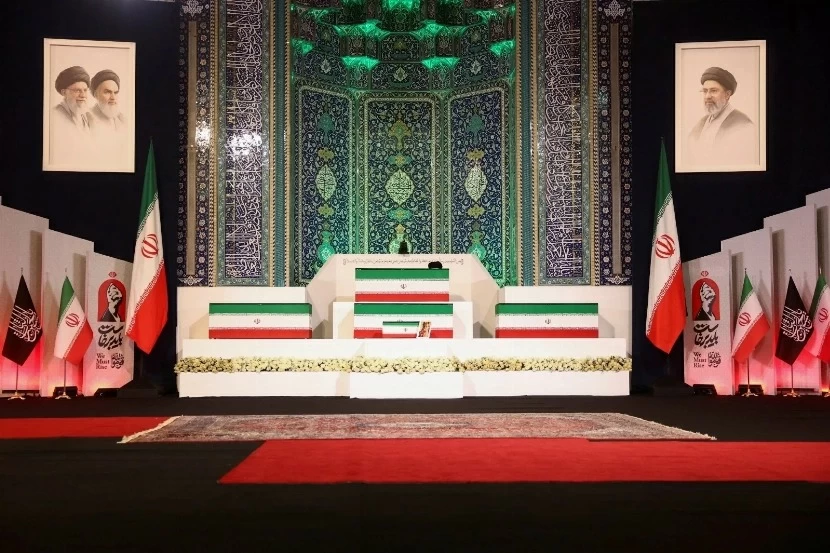
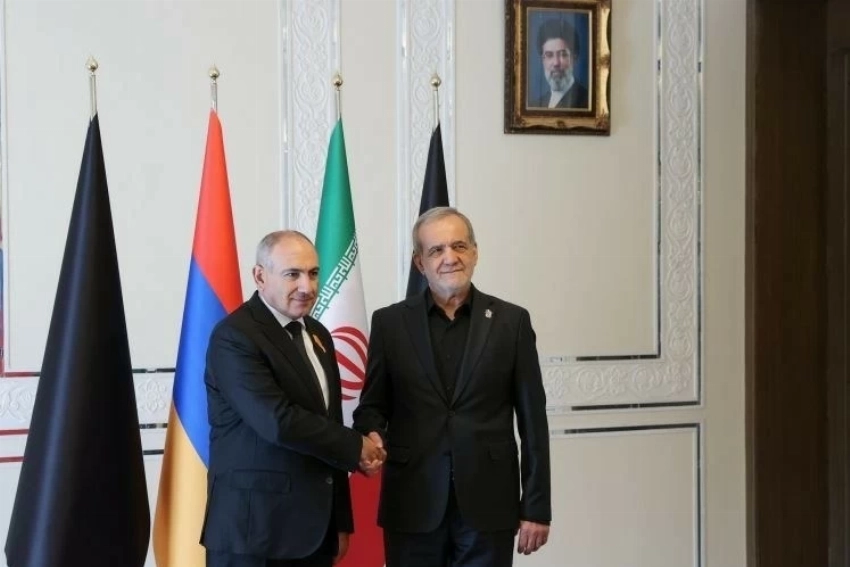
بدأت إيران، اليوم (الجمعة)، استقبال الوفود الأجنبية المشاركة في مراسم تشييع المرشد الأعلى الراحل علي خامنئي، إيذانًا بانطلاق جنازة رسمية وشعبية تمتد لستة أيام، وسط إجراءات أمنية مشددة واستنفار عسكري وتحذيرات من أي هجوم جديد خلال فترة المراسم.
ووصل جثمان خامنئي إلى المصلى الكبير في طهران أمس (الخميس)، تمهيداً لإقامة مراسم الجنازة، مع خطط لمسيرات جماهيرية على مدى الأسبوع في قم ومشهد، بالإضافة إلى مراسم أخرى في العراق.
ويأتي التشييع بعد مقتل خامنئي في الضربات الجوية الأمريكية والإسرائيلية التي استهدفت طهران 28 فبراير الماضي، في بداية الحرب بين الجانبين، فيما تسعى السلطات الإيرانية إلى تحويل الجنازة إلى استعراض سياسي وشعبي يؤكد تماسك النظام واستمرار نفوذه رغم الضربة التي تلقاها.
وفود أجنبية إلى طهران
وشهدت العاصمة الإيرانية وصول وفود رسمية من نحو 30 دولة للمشاركة في مراسم العزاء، بحسب اللجنة الوطنية المنظمة للجنازة.
وضمت قائمة المشاركين رؤساء ومسؤولين من العراق وباكستان وأوزبكستان وطاجيكستان وتركمانستان وأرمينيا وبيلاروس والصين وناميبيا، إلى جانب وفود دينية من أفغانستان وباكستان وتايلند، فيما أكدت طهران أنها لم توجه دعوات إلى الولايات المتحدة أو الدول الأوروبية.
وأجرى الرئيس الإيراني مسعود بزشكيان ورئيس البرلمان محمد باقر قاليباف سلسلة لقاءات مع عدد من الضيوف، ركزت على العلاقات الثنائية والتطورات الإقليمية.
مراسم تمتد حتى الخميس
ومن المقرر أن تبدأ الجنازة الشعبية، السبت، في مصلى الإمام الخميني الكبير بطهران، حيث سيوارى جثمان خامنئي مؤقتًا قبل انطلاق موكب ضخم في شوارع العاصمة، الإثنين.
وتتواصل المراسم الثلاثاء في مدينة قم، قبل نقل الجثمان الأربعاء إلى مدينتي النجف وكربلاء العراقيتين، استجابة لطلب شخصيات سياسية ودينية عراقية، على أن يوارى الثرى الخميس في مدينة مشهد، مسقط رأس خامنئي، داخل مرقد الإمام الرضا.
وسيُشيع أيضًا عدد من أفراد عائلة خامنئي الذين قتلوا معه في الضربة نفسها، بينهم ابنته وزوجها وحفيدته، فيما يغيب نجله وخليفته مجتبى خامنئي عن المراسم بعد إصابته بجروح خطيرة خلال الهجوم.
استنفار أمني وإغلاق للأجواء
وفرضت السلطات الإيرانية إجراءات أمنية واسعة شملت إغلاق الدوائر الحكومية في طهران، وفرض قيود مرورية، وإغلاق المجال الجوي مؤقتًا فوق العاصمة وعدد من المدن، مع نشر قوات إضافية تحسبًا لأي تهديدات أمنية أو هجمات محتملة.
كما طلبت السلطات من المشاركين ترك سياراتهم خارج العاصمة واستخدام وسائل النقل العامة لتجنب الاختناقات المرورية.
رسائل سياسية إلى الداخل والخارج
وقال إمام جمعة مدينة قم، آية الله محمد سعيدي، إن المشاركة الواسعة في الجنازة ستكون بمثابة «استفتاء جديد على الجمهورية الإسلامية»، في إشارة إلى سعي السلطات لإظهار استمرار الدعم الشعبي للنظام.
من جانبه، دعا رئيس البرلمان محمد باقر قاليباف الإيرانيين إلى المشاركة بكثافة، مؤكدًا أن بلاده «لن تصمت أمام الظلم»، بينما شدد مسؤولون إيرانيون على أن مراسم التشييع تحمل رسالة تحدٍ وصمود في مواجهة الولايات المتحدة وإسرائيل.
تحذيرات من أي هجوم جديد
وفي موازاة الاستعدادات، حذر قائد مقر «خاتم الأنبياء» المركزي اللواء علي عبد اللهي الولايات المتحدة وإسرائيل من استغلال مراسم التشييع لشن أي هجوم جديد، مؤكدًا أن أي اعتداء سيقابل بـ«رد قاسٍ وفوري» من القوات المسلحة الإيرانية.
كما جاء التحذير بعد تصريحات لوزير الدفاع الإسرائيلي إسرائيل كاتس، قال فيها إن المرشد الجديد مجتبى خامنئي «بات هدفًا مشروعًا»، وهو ما اعتبرته طهران تصعيدًا خطيرًا.
انقسام داخل الشارع الإيراني
ورغم الحشد الرسمي، يرى محللون أن الجنازة تأتي في ظل انقسام داخل المجتمع الإيراني، حيث تعاني البلاد من أزمة اقتصادية وعقوبات مستمرة، بينما تشير تقارير إلى أن بعض الإيرانيين يعتزمون مغادرة طهران خلال أيام التشييع، في حين يستعد أنصار النظام للمشاركة في مسيرات حاشدة تعتبرها السلطات الأكبر منذ تشييع مؤسس الجمهورية الإسلامية آية الله روح الله الخميني عام 1989.
Iran began today (Friday) to receive foreign delegations participating in the funeral ceremonies for the late Supreme Leader Ali Khamenei, marking the start of an official and popular funeral that will last for six days, amidst tight security measures, military mobilization, and warnings of any new attacks during the ceremonies.
Khamenei's body arrived at the Grand Mosque in Tehran yesterday (Thursday), in preparation for the funeral ceremonies, with plans for mass marches throughout the week in Qom and Mashhad, in addition to other ceremonies in Iraq.
The funeral follows Khamenei's death in the American and Israeli airstrikes that targeted Tehran on February 28, marking the beginning of the war between the two sides, while Iranian authorities seek to turn the funeral into a political and popular display that affirms the regime's cohesion and its continued influence despite the blow it has received.
Foreign Delegations to Tehran
The Iranian capital witnessed the arrival of official delegations from about 30 countries to participate in the mourning ceremonies, according to the national committee organizing the funeral.
The list of participants included presidents and officials from Iraq, Pakistan, Uzbekistan, Tajikistan, Turkmenistan, Armenia, Belarus, China, and Namibia, along with religious delegations from Afghanistan, Pakistan, and Thailand, while Tehran confirmed that it did not invite the United States or European countries.
The Iranian President Masoud Bezhakian and Parliament Speaker Mohammad Baqer Qalibaf held a series of meetings with several guests, focusing on bilateral relations and regional developments.
Ceremonies Lasting Until Thursday
The popular funeral is scheduled to begin on Saturday at the Imam Khomeini Grand Mosque in Tehran, where Khamenei's body will be temporarily laid to rest before a massive procession through the capital on Monday.
The ceremonies will continue on Tuesday in the city of Qom, before the body is transferred on Wednesday to the Iraqi cities of Najaf and Karbala, in response to requests from Iraqi political and religious figures, with the burial set for Thursday in Mashhad, Khamenei's birthplace, inside the shrine of Imam Reza.
A number of Khamenei's family members who were killed with him in the same strike will also be mourned, including his daughter, her husband, and his granddaughter, while his son and successor Mojtaba Khamenei will be absent from the ceremonies due to serious injuries sustained during the attack.
Security Mobilization and Airspace Closure
The Iranian authorities imposed extensive security measures, including the closure of government offices in Tehran, traffic restrictions, and the temporary closure of airspace over the capital and several cities, with additional forces deployed in anticipation of any security threats or potential attacks.
The authorities also requested that participants leave their cars outside the capital and use public transportation to avoid traffic congestion.
Political Messages to Domestic and Foreign Audiences
The Friday Prayer Imam of Qom, Ayatollah Mohammad Saidi, stated that the wide participation in the funeral would serve as a "new referendum on the Islamic Republic," referring to the authorities' efforts to demonstrate continued popular support for the regime.
For his part, Parliament Speaker Mohammad Baqer Qalibaf urged Iranians to participate in large numbers, emphasizing that his country "will not remain silent in the face of injustice," while Iranian officials stressed that the funeral ceremonies carry a message of defiance and resilience against the United States and Israel.
Warnings of Any New Attack
In parallel with the preparations, the commander of the "Khatam al-Anbiya" central headquarters, Major General Ali Abdollahi, warned the United States and Israel against exploiting the funeral ceremonies to launch any new attacks, asserting that any aggression would be met with a "harsh and immediate response" from the Iranian armed forces.
This warning came after statements from Israeli Defense Minister Israel Katz, who said that the new leader Mojtaba Khamenei "has become a legitimate target," which Tehran considered a serious escalation.
Division Within Iranian Society
Despite the official mobilization, analysts believe that the funeral comes amid a division within Iranian society, as the country suffers from an ongoing economic crisis and sanctions, while reports indicate that some Iranians intend to leave Tehran during the days of mourning, while regime supporters prepare to participate in massive marches that the authorities consider the largest since the funeral of the founder of the Islamic Republic, Ayatollah Ruhollah Khomeini, in 1989.