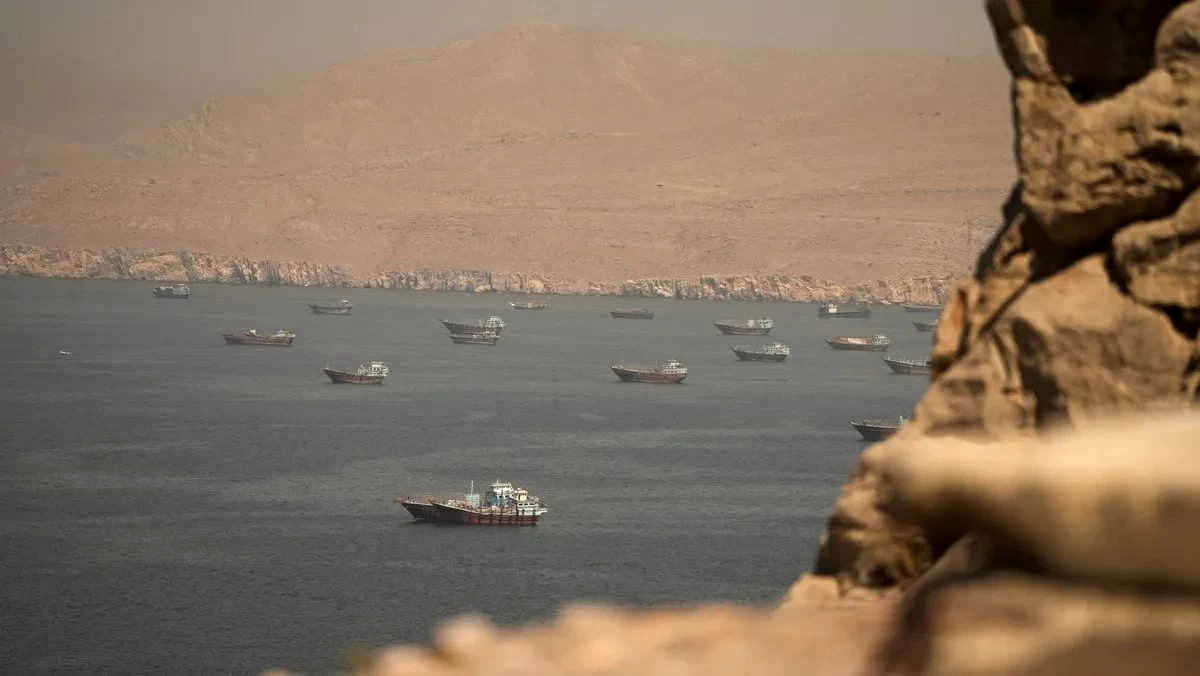
كشفت صحيفة «وول ستريت جورنال» تفاصيل «صفقة» جديدة عرضت خلال مفاوضات الدوحة، إذ وعدت واشنطن طهران بالإفراج عن جزء من الأموال الإيرانية المجمدة في الخارج، والتي تُقدّر بنحو 100 مليار دولار، مقابل التخلي عن السيطرة على مضيق هرمز.
نسف اتفاق مذكرة التفاهم
وأفصح مسؤولون مطلعون أن الأمريكيين عرضوا على الوفد الإيراني في الدوحة «صفقة» تقوم على التخلي عن المطالبة بالسيطرة على المضيق والتراجع عن فرض رسوم العبور، مقابل الإفراج عن مليارات الدولارات من الأموال المجمدة.
ولفتت المصادر إلى أن المفاوضات كانت تتقدم في البداية نحو الإفراج عن 6 مليارات دولار محتجزة في قطر، إلا أن قرار إيران إغلاق المضيق أدى إلى تعطيل هذه الخطوة.
وأكد مسؤول أمريكي رفيع، أن المبعوثين ستيف ويتكوف وجاريد كوشنير اللذين زارا الدوحة الثلاثاء الماضي حاولا إيصال رسالة إلى الإيرانيين مفادها بأن مطلبهم بفرض رسوم عبور على السفن في هرمز قد ينسف الاتفاق بين الولايات المتحدة وإيران.
وقال المسؤول: «رسالتنا إلى الإيرانيين كانت فكروا على نطاق أوسع. وأضاف أن العائدات التي يمكن لإيران تحقيقها من بيع النفط والموارد الأخرى، في حال رفعت الولايات المتحدة جميع العقوبات في إطار الاتفاق، ستكون أكبر بمئة مرة مما قد تجنيه من استخدام أساليب أشبه بأساليب العصابات لمحاولة تحصيل رسوم عبور»، وفق ما نقل موقع «أكسيوس».
وأضاف أنه «إذا تم رفع العقوبات بالكامل، فإن المكاسب الاقتصادية التي ستحصل عليها طهران ستكون هائلة مقارنة بما قد تحققه من فرض رسوم على السفن المارة عبر المضيق».
مطلب إيراني مرفوض
وفي إشارة إلى أن الحوافز المطروحة غير كافية لتغيير موقفها، أكد نائب وزير الخارجية الإيراني والمفاوض الرئيسي كاظم غريب آبادي، عقب عودته من الدوحة أمس (الخميس)، أن «هرمز تحت القيادة الإيرانية، وليس الأمريكية». فيما شددت المؤسسة العسكرية الإيرانية لهجتها، وحذرت من أن أي سفينة لا تسلك مسارًا معتمدًا من قبل إيران ستواجه ردًا «فوريًا وقويًا».
وتسعى إيران إلى فرض رسوم على كل سفينة تعبر المضيق مقابل خدمات مثل الأمن والحماية، آملة في الحصول على الجزء الأكبر من عائدات سنوية قد تصل إلى 40 مليار دولار، إلا أن هذا المطلب قوبل بالرفض من قبل الولايات المتحدة والعديد من دول الخليج.
مقترح عماني بديل
في غضون ذلك، بدأ المفاوضون يدرسون مقترحًا بديلًا قدمته سلطنة عُمان، التي تمتلك حقوقًا في الجزء الجنوبي من المضيق. ووفقًا للخطة، سيتم تمويل الخدمات البحرية من خلال صندوق يعتمد على تبرعات طوعية، بحسب مسؤولين مطلعين على المحادثات.
وأضاف المسؤولون أن عُمان أجرت بالفعل مباحثات مع شركات النفط والشحن لمعرفة مدى استعدادها للمساهمة في هذا الصندوق.
لكن طهران لا تزال معترضة حتى الآن على هذه الصيغة المقترحة لأنها لا تتضمن دفع رسوم مباشرة.
وأفاد مصدر بأن المفاوضين الأمريكيين تلقوا المقترح العُماني لكن لديهم تحفظات عليه يعتزمون طرحها خلال مباحثاتهم مع مسقط. وأضاف مصدر آخر أن الخطة قد تُعتبر في نهاية المطاف شكلاً غير مباشر من أشكال نظام الرسوم الذي تستفيد منه إيران.
The Wall Street Journal revealed details of a new "deal" offered during the Doha negotiations, where Washington promised Tehran the release of a portion of the Iranian funds frozen abroad, estimated at around $100 billion, in exchange for relinquishing control over the Strait of Hormuz.
Undermining the Memorandum of Understanding
Informed officials disclosed that the Americans offered the Iranian delegation in Doha a "deal" based on abandoning the demand for control over the strait and retracting the imposition of transit fees, in exchange for the release of billions of dollars in frozen funds.
Sources pointed out that negotiations were initially progressing towards the release of $6 billion held in Qatar, but Iran's decision to close the strait disrupted this step.
A senior American official confirmed that envoys Steve Witkoff and Jared Kushner, who visited Doha last Tuesday, attempted to convey a message to the Iranians that their demand for imposing transit fees on ships in Hormuz could undermine the agreement between the United States and Iran.
The official stated, "Our message to the Iranians was to think on a broader scale." He added that the revenues Iran could achieve from selling oil and other resources, if the United States lifted all sanctions under the agreement, would be a hundred times greater than what it could earn from using gang-like methods to try to collect transit fees, according to what Axios reported.
He added, "If sanctions are fully lifted, the economic gains Tehran would achieve would be enormous compared to what it could earn from imposing fees on ships passing through the strait."
Rejected Iranian Demand
In a sign that the proposed incentives are insufficient to change its stance, Iranian Deputy Foreign Minister and chief negotiator Kazem Gharib Abadi, after returning from Doha yesterday (Thursday), stated that "Hormuz is under Iranian leadership, not American." Meanwhile, the Iranian military establishment intensified its rhetoric, warning that any ship not following a route approved by Iran would face an "immediate and strong" response.
Iran seeks to impose fees on every ship crossing the strait in exchange for services such as security and protection, hoping to capture the bulk of annual revenues that could reach $40 billion. However, this demand has been rejected by the United States and many Gulf countries.
Alternative Omani Proposal
Meanwhile, negotiators began to consider an alternative proposal put forward by Oman, which has rights in the southern part of the strait. According to the plan, maritime services would be funded through a fund based on voluntary donations, according to officials familiar with the talks.
The officials added that Oman has already conducted discussions with oil and shipping companies to gauge their willingness to contribute to this fund.
However, Tehran still objects to this proposed formula as it does not include direct fee payments.
A source reported that the American negotiators received the Omani proposal but have reservations about it that they intend to raise during their discussions with Muscat. Another source added that the plan could ultimately be considered an indirect form of a fee system that Iran would benefit from.