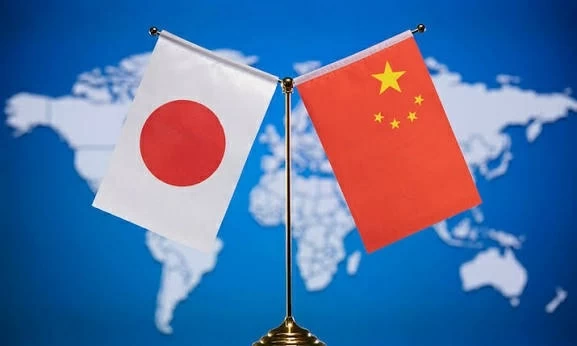
تشهد العلاقات بين الصين واليابان واحدة من أكثر مراحلها توترًا منذ سنوات، في ظل تبادل الإجراءات السياسية والاقتصادية والعسكرية بين البلدين، على خلفية الخلافات المتعلقة بتايوان، والنزاعات البحرية، وتعزيز القدرات الدفاعية اليابانية.
وفرضت الصين هذا الأسبوع قيودًا جديدة على صادرات المنتجات ذات الاستخدام المزدوج إلى 40 شركة يابانية، وهي المنتجات التي يمكن استخدامها في الأغراض المدنية والعسكرية، متهمة طوكيو بانتهاج ما وصفته بـ«النزعة العسكرية الجديدة المتهورة» وتهديد الاستقرار الإقليمي.
وجاء القرار الصيني بعد احتجاج الحكومة اليابانية على مناورات جوية مشتركة نفذتها قاذفات صينية وروسية بالقرب من مجالها الجوي، إلى جانب اتهام خفر السواحل الصيني بدخول المنطقة الاقتصادية الخالصة لليابان.
كما أعلنت طوكيو نشر منصات لإطلاق الصواريخ في أقصى جزرها الشرقية، في خطوة اعتبرتها جزءًا من تعزيز قدراتها الدفاعية.
تصريحات بشأن تايوان أشعلت الأزمة
بدأت موجة التصعيد الحالية في نوفمبر 2025، عندما صرحت رئيسة الوزراء اليابانية ساناي تاكائيتشي، بعد أسابيع قليلة من توليها المنصب، بأن أي هجوم على تايوان قد يدفع اليابان إلى نشر قوات الدفاع الذاتي إذا شكل النزاع تهديدًا وجوديًا لأمن البلاد.
ورغم أن تصريحاتها لم تخرج عن الإطار العام للسياسة اليابانية، فإنها مثلت تحولًا لافتًا، إذ اعتاد القادة اليابانيون تجنب الحديث بشكل مباشر عن احتمال التدخل العسكري في حال اندلاع أزمة حول تايوان.
وردت بكين سريعًا باتهام طوكيو بالتدخل في الشؤون الداخلية الصينية، وفرضت عقوبات اقتصادية، وألغت اجتماعات دبلوماسية، وشجعت مواطنيها على تقليص السفر إلى اليابان، كما خفضت الرحلات الجوية، وأوقفت عددًا من برامج التبادل الأكاديمي والثقافي، مع الإبقاء على حظر استيراد المأكولات البحرية اليابانية.
إرث الحرب العالمية الثانية لا يزال حاضرًا
ولا تزال الذاكرة التاريخية تمثل أحد أبرز أسباب التوتر بين البلدين. فالصين ترى أن اليابان لم تقدم اعتذارًا كافيًا عن الجرائم والانتهاكات التي ارتكبتها خلال احتلالها أجزاء واسعة من الأراضي الصينية أثناء الحرب العالمية الثانية.
ورغم صدور اعتذارات متكررة من رؤساء وزراء يابانيين ومسؤولين حكوميين وشركات كبرى، إلى جانب تعبيرات عن الندم من الأباطرة وشخصيات رسمية، فإن بكين تعتبر أن هذه الاعتذارات لا ترقى إلى مستوى ما قامت به ألمانيا في مواجهة إرثها خلال الحرب.
كما تثير زيارات مسؤولين يابانيين إلى ضريح ياسوكوني، الذي يضم رفات شخصيات أدينت بارتكاب جرائم حرب، انتقادات متكررة من الصين التي تعتبر هذه الزيارات دليلًا على عدم مواجهة اليابان لماضيها بشكل كامل.
سباق تسلح أم تعزيز للدفاع؟
وترى الصين أن اليابان تسير نحو إعادة التسلح، بينما تؤكد طوكيو أن تعزيز قدراتها العسكرية يأتي استجابة لتزايد النفوذ العسكري الصيني، والتهديدات الإقليمية، فضلًا عن الشكوك بشأن مدى استمرار الضمانات الأمنية الأمريكية.
ورفعت اليابان ميزانية الدفاع هذا العام بنسبة 9.4% لتصل إلى نحو 58 مليار دولار، ضمن خطة تستهدف رفع الإنفاق الدفاعي إلى ما يعادل 2% من الناتج المحلي الإجمالي.
وتطالب الأوساط المحافظة داخل الحزب الديمقراطي الليبرالي الحاكم، الذي تنتمي إليه رئيسة الوزراء، بإعادة النظر في المادة السلمية من الدستور الياباني، معتبرة أن القيود المفروضة على استخدام القوة لم تعد تتناسب مع التحديات الأمنية التي تفرضها الصين وكوريا الشمالية.
في المقابل، تؤكد الصين أن زيادة الإنفاق العسكري الياباني تمثل مؤشرًا على العودة إلى نهج عسكري، رغم أن ميزانيتها الدفاعية، التي تبلغ نحو 275 مليار دولار، تفوق نظيرتها اليابانية بأكثر من أربعة أضعاف.
وبحسب صحيفة الغارديان، يشير محللون إلى أن الإنفاق العسكري الصيني الفعلي قد يكون أعلى من الأرقام الرسمية بسبب إدراج بعض النفقات العسكرية ضمن بنود مدنية أو بحثية.
الاقتصاد يخفف حدة الخلافات
وأثرت الأزمة السياسية على العلاقات التجارية بين البلدين، إذ فرضت الصين قيودًا على صادرات المعادن النادرة، كما اعتقلت مواطنين يابانيين بتهمة مخالفة اللوائح الخاصة بهذه الصادرات.
كذلك تراجعت أعداد السياح الصينيين إلى اليابان بنسبة كبيرة، بينما ألغيت خطط لعرض أفلام يابانية في السوق الصينية.
ورغم هذه التوترات، لا تزال العلاقات الاقتصادية بين أكبر اقتصادين في آسيا قوية، حيث تجاوز حجم التبادل التجاري بينهما 322 مليار دولار خلال عام 2025، كما واصل نموه خلال الأشهر الخمسة الأولى من العام الحالي، وهو ما يعكس عمق الاعتماد الاقتصادي المتبادل بين البلدين.
آمال بتهدئة مرتقبة
وتسعى طوكيو إلى احتواء الأزمة عبر القنوات الدبلوماسية، وسط توقعات بعقد لقاء بين رئيسة الوزراء اليابانية ساناي تاكائيتشي والرئيس الصيني شي جين بينغ على هامش قمة منتدى التعاون الاقتصادي لآسيا والمحيط الهادئ (أبيك) المقررة في مدينة شنتشن الصينية خلال نوفمبر القادم.
إلا أن فرص تحقيق انفراجة لا تزال مرتبطة بموقف اليابان من قضية تايوان، إذ تواصل بكين مطالبة رئيسة الوزراء اليابانية بالتراجع عن تصريحاتها السابقة، وهو أمر يبدو مستبعدًا في الوقت الراهن، نظرًا لما تحظى به هذه التصريحات من تأييد داخل قاعدتها السياسية.
The relationship between China and Japan is witnessing one of its most tense phases in years, amid a backdrop of political, economic, and military measures exchanged between the two countries, stemming from disputes related to Taiwan, maritime conflicts, and the enhancement of Japan's defense capabilities.
This week, China imposed new restrictions on the export of dual-use products to 40 Japanese companies, which are products that can be used for both civilian and military purposes, accusing Tokyo of pursuing what it described as a "reckless new militarism" that threatens regional stability.
The Chinese decision came after the Japanese government protested against joint aerial maneuvers conducted by Chinese and Russian bombers near its airspace, alongside accusations of the Chinese Coast Guard entering Japan's exclusive economic zone.
Tokyo also announced the deployment of missile launch platforms in its far eastern islands, a step it considered part of enhancing its defense capabilities.
Statements on Taiwan Ignite the Crisis
The current wave of escalation began in November 2025, when Japanese Prime Minister Sanae Takaichi stated, shortly after taking office, that any attack on Taiwan could prompt Japan to deploy Self-Defense Forces if the conflict posed an existential threat to the country's security.
Although her statements did not deviate from the general framework of Japanese policy, they represented a notable shift, as Japanese leaders have traditionally avoided speaking directly about the possibility of military intervention in the event of a crisis over Taiwan.
Beijing quickly responded by accusing Tokyo of interfering in China's internal affairs, imposing economic sanctions, canceling diplomatic meetings, and encouraging its citizens to reduce travel to Japan. It also reduced flight operations and halted several academic and cultural exchange programs, while maintaining a ban on the import of Japanese seafood.
The Legacy of World War II Remains Present
The historical memory continues to be one of the most prominent reasons for tension between the two countries. China believes that Japan has not offered sufficient apologies for the crimes and violations committed during its occupation of large parts of Chinese territory during World War II.
Despite repeated apologies from Japanese prime ministers, government officials, and major companies, along with expressions of remorse from emperors and official figures, Beijing considers these apologies inadequate compared to what Germany has done in addressing its wartime legacy.
Visits by Japanese officials to the Yasukuni Shrine, which houses the remains of figures convicted of war crimes, also provoke repeated criticism from China, which views these visits as evidence that Japan has not fully confronted its past.
Arms Race or Defense Enhancement?
China sees Japan moving towards rearmament, while Tokyo insists that enhancing its military capabilities is a response to increasing Chinese military influence and regional threats, as well as doubts about the sustainability of American security guarantees.
This year, Japan raised its defense budget by 9.4% to approximately $58 billion, as part of a plan aimed at increasing defense spending to the equivalent of 2% of its GDP.
Conservative circles within the ruling Liberal Democratic Party, to which the Prime Minister belongs, are calling for a reconsideration of the pacifist article of the Japanese constitution, arguing that the restrictions on the use of force no longer align with the security challenges posed by China and North Korea.
In contrast, China asserts that the increase in Japan's military spending is an indication of a return to a military approach, even though its defense budget, which stands at around $275 billion, exceeds Japan's by more than four times.
According to The Guardian, analysts indicate that China's actual military spending may be higher than official figures due to some military expenditures being included under civilian or research items.
The Economy Eases Tensions
The political crisis has affected trade relations between the two countries, as China imposed restrictions on rare earth metal exports and detained Japanese citizens on charges of violating regulations related to these exports.
Additionally, the number of Chinese tourists to Japan has significantly decreased, while plans to showcase Japanese films in the Chinese market have been canceled.
Despite these tensions, economic relations between the two largest economies in Asia remain strong, with trade volume exceeding $322 billion in 2025, continuing to grow during the first five months of the current year, reflecting the depth of mutual economic dependence between the two countries.
Hopes for Anticipated De-escalation
Tokyo is seeking to contain the crisis through diplomatic channels, with expectations of a meeting between Japanese Prime Minister Sanae Takaichi and Chinese President Xi Jinping on the sidelines of the upcoming Asia-Pacific Economic Cooperation (APEC) summit scheduled in Shenzhen, China, in November.
However, the chances of achieving a breakthrough remain tied to Japan's stance on the Taiwan issue, as Beijing continues to demand that the Japanese Prime Minister retract her previous statements, which seems unlikely at the moment given the support these statements have within her political base.