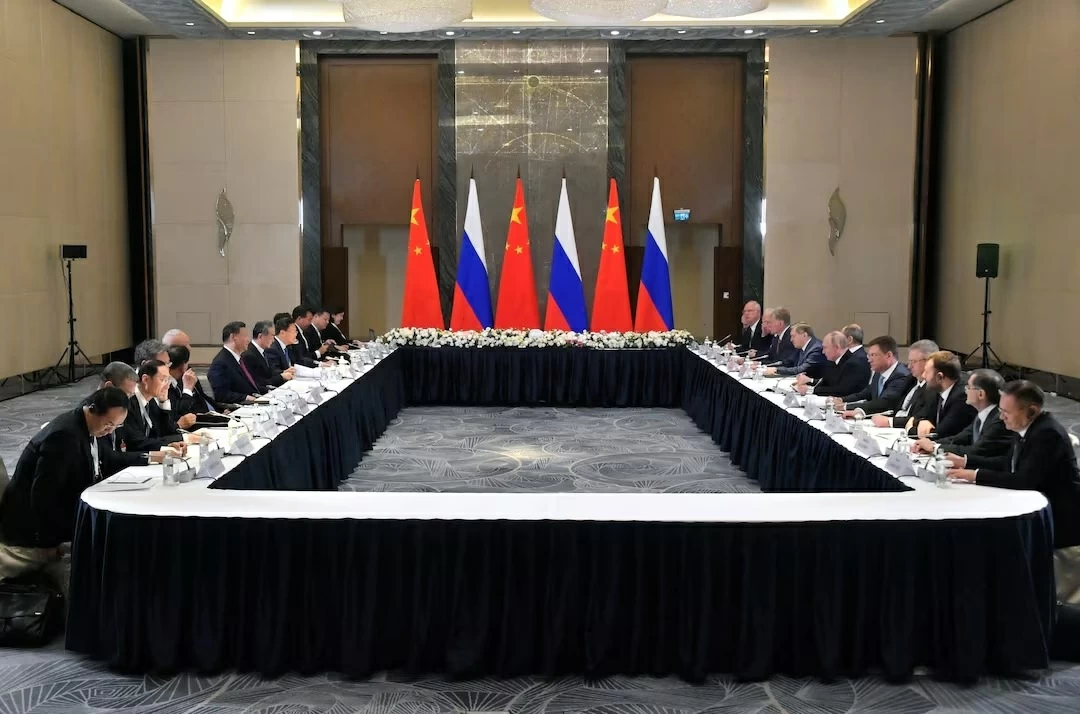
كشفت وثائق روسية سرية، إلى جانب إفادات مسؤولين أوروبيين، عن برنامج تدريب عسكري سرّي استضافته الصين لعناصر من القوات المسلحة الروسية خلال عام 2025، في خطوة تعكس تعمق التعاون العسكري بين موسكو وبكين، وتثير مخاوف متزايدة داخل الاتحاد الأوروبي بشأن تداعيات هذا التعاون على الحرب في أوكرانيا.
ووفقاً لتقرير نشرته وكالة رويترز، فإن التدريب جرى بموافقة مباشرة من وزير الدفاع الروسي أندريه بيلوسوف، وشارك فيه ما لا يقل عن أربعة جنرالات روس وصينيين، ما يشير إلى الأهمية الإستراتيجية التي يوليها الجانبان لهذا النوع من التعاون العسكري.
وأظهرت وثيقة روسية مصنفة (سرية) أن بيلوسوف أصدر في أغسطس 2025 قراراً يقضي بإيفاد وفد من القوات المسلحة الروسية إلى الصين للمشاركة في برامج تدريبية داخل منشآت تابعة لجيش التحرير الشعبي الصيني.
تدريبات على الحرب الكيميائية والإشعاعية
وبحسب الوثائق، تضمنت البرامج التدريبية دورة استمرت ثلاثة أسابيع في بكين خلال نوفمبر الماضي، وركزت على الحماية من المخاطر الإشعاعية والبيولوجية والكيميائية.
كما تضمنت الدورات محاضرات قدمها مدربون صينيون لعسكريين روس حول أساليب الاستطلاع الكيميائي والإشعاعي، وطرق حماية أنظمة التهوية من التلوث، إضافة إلى تدريبات باستخدام نموذج لمفاعل نووي.
وأكد أحد المسؤولين الأوروبيين أن إدراج تدريبات متخصصة في مجالات الحرب الكيميائية والبيولوجية والإشعاعية يعكس الطبيعة الإستراتيجية للتعاون العسكري بين البلدين، خاصة أن هذه المجالات تُعد من أكثر الملفات حساسية بالنسبة للجيوش الحديثة.
نفي صيني وصمت روسي
وفي المقابل، نفت وزارة الخارجية الصينية صحة ما ورد في التقرير، مؤكدة أن موقف بكين من الحرب في أوكرانيا «لم يتغير»، ووصفت المعلومات بأنها «لا أساس لها من الصحة».
ولم تصدر وزارتا الدفاع في الصين وروسيا أي تعليق رسمي على الوثائق، فيما سبق للكرملين أن وصف تقارير غربية مماثلة بأنها «معلومات مضللة».
وكانت (رويترز) قد نقلت الشهر الماضي عن أجهزة استخبارات أوروبية أن الصين دربت نحو 200 عسكري روسي في نوفمبر 2025، قبل أن يلتحق بعضهم لاحقاً بجبهات القتال في أوكرانيا.
قلق أوروبي متزايد
وأكدت مسؤولة السياسة الخارجية في الاتحاد الأوروبي، كايا كالاس، في 15 يونيو، أن بروكسل تحققت من وقوع هذه التدريبات عبر قنواتها الخاصة، وتدرس حالياً تداعياتها السياسية والأمنية.
وأثارت هذه المعلومات نقاشاً داخل الاتحاد الأوروبي بشأن الحاجة إلى اتخاذ إجراءات إضافية بحق الصين، في ظل العلاقات التجارية الوثيقة التي تربط الطرفين، بينما سبق للاتحاد أن فرض عقوبات على شركات صينية يتهمها بدعم المجهود الحربي الروسي.
وقال مسؤول أوروبي في بروكسل: إن الاتحاد لم يعد بإمكانه النظر إلى الصين من منظور اقتصادي فقط، بل يجب التعامل معها باعتبارها «عاملاً حاسماً في دعم الحرب الروسية»، وفق تعبير كالاس.
تفاصيل المشاركين
وتشير الوثائق إلى أن الاتفاق المنظم للتدريبات، والموقع في 2 يوليو 2025، حمل توقيع اللواء الروسي رستم حسينوف والعقيد الصيني الكبير سون دايون. كما قاد الوفد الروسي الفريق أول رستم مرادوف، نائب القائد العام للقوات البرية الروسية، فيما شارك اللواء الصيني لي جينسون، رئيس الأكاديمية العسكرية للدفاع الإشعاعي والكيميائي والبيولوجي التابعة لجيش التحرير الشعبي، في افتتاح إحدى الدورات. وشارك أيضاً اللواء الروسي فيتالي جيراسيموف في إحدى الدورات التدريبية التي أُقيمت بمدينة بنغبو الصينية.
تقييم روسي للتدريبات
ورغم الإشادة بمستوى المعدات الصينية، واستخدام تقنيات المحاكاة المتقدمة، والكفاءة النظرية للمدربين، سجلت تقارير عسكرية روسية ملاحظة تتعلق بـ«افتقار الجيش الصيني إلى الخبرة القتالية الفعلية»، مقارنة بالقوات الروسية التي اكتسبت خبرة واسعة خلال أكثر من أربع سنوات من القتال في أوكرانيا. في المقابل، نفى رئيس لجنة الدفاع في مجلس الدوما الروسي أندريه كارتابولوف صحة ما ورد في التقرير، واعتبر أن الجيش الروسي «لا يحتاج إلى تعلم أي شيء من الصين»، واصفاً المعلومات بأنها «محض هراء».
Confidential Russian documents, along with testimonies from European officials, have revealed a secret military training program hosted by China for members of the Russian armed forces during 2025. This move reflects the deepening military cooperation between Moscow and Beijing and raises increasing concerns within the European Union about the implications of this cooperation on the war in Ukraine.
According to a report published by Reuters, the training was conducted with the direct approval of Russian Defense Minister Andrei Belousov, and involved at least four Russian and Chinese generals, indicating the strategic importance both sides attach to this type of military cooperation.
A classified Russian document (secret) showed that Belousov issued a decision in August 2025 to send a delegation from the Russian armed forces to China to participate in training programs at facilities belonging to the People's Liberation Army.
Training on Chemical and Radiological Warfare
According to the documents, the training programs included a three-week course in Beijing last November, focusing on protection against radiological, biological, and chemical hazards.
The courses also included lectures delivered by Chinese instructors to Russian military personnel on methods of chemical and radiological reconnaissance, ways to protect ventilation systems from contamination, in addition to training using a model of a nuclear reactor.
One European official confirmed that the inclusion of specialized training in the fields of chemical, biological, and radiological warfare reflects the strategic nature of military cooperation between the two countries, especially since these areas are among the most sensitive issues for modern armies.
Chinese Denial and Russian Silence
In contrast, the Chinese Foreign Ministry denied the accuracy of the report, asserting that Beijing's position on the war in Ukraine "has not changed," and described the information as "baseless."
Neither the defense ministries of China nor Russia issued any official comment on the documents, while the Kremlin had previously described similar Western reports as "misleading information."
Last month, Reuters reported from European intelligence sources that China trained about 200 Russian military personnel in November 2025, some of whom later joined the front lines in Ukraine.
Increasing European Concern
EU foreign policy chief, Kaja Kallas, confirmed on June 15 that Brussels had verified the occurrence of these trainings through its own channels and is currently assessing their political and security implications.
This information has sparked a discussion within the European Union about the need for additional measures against China, given the close trade relations between the two parties, while the EU had previously imposed sanctions on Chinese companies accused of supporting the Russian war effort.
An EU official in Brussels stated that the Union can no longer view China solely from an economic perspective, but must treat it as "a critical factor in supporting the Russian war," according to Kallas.
Details of the Participants
The documents indicate that the agreement organizing the training, signed on July 2, 2025, bore the signatures of Russian Major General Rustam Khusainov and Chinese Colonel Sun Dayun. The Russian delegation was led by Army General Rustam Muradov, Deputy Commander of the Russian Ground Forces, while Chinese Major General Li Jinsong, head of the Academy of Radiological, Chemical, and Biological Defense of the People's Liberation Army, participated in the opening of one of the courses. Russian Major General Vitaly Gerasimov also took part in one of the training courses held in the Chinese city of Bengbu.
Russian Assessment of the Training
Despite praising the level of Chinese equipment, the use of advanced simulation technologies, and the theoretical competence of the instructors, Russian military reports noted a remark regarding the "lack of actual combat experience" of the Chinese army, compared to Russian forces that have gained extensive experience over more than four years of fighting in Ukraine. In contrast, Andrei Kartapolov, head of the Defense Committee in the Russian State Duma, denied the accuracy of the report, asserting that the Russian army "does not need to learn anything from China," describing the information as "sheer nonsense."