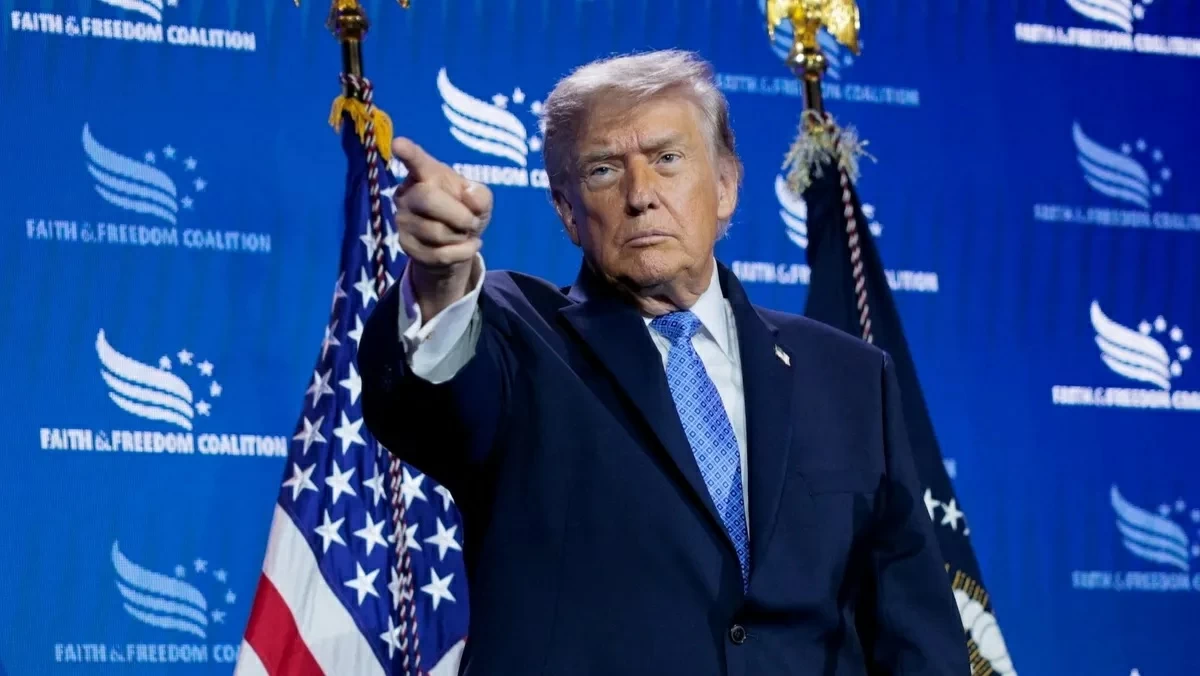
في ظل عودة أجواء التوتر، يبحث الرئيس الأمريكي دونالد ترمب إمكانية العودة إلى القتال مع إيران. وكشف مسؤولون مطلعون أن ترمب عقد خلال الأيام الأخيرة سلسلة اجتماعات مع وزير الحرب بيت هيغسيث ورئيس هيئة الأركان المشتركة الجنرال دان كاين لمراجعة مجموعة من الخيارات العسكرية تشمل استئناف ضربات واسعة النطاق.
البحث عن مخرج لحالة الجمود
ونقلت صحيفة «وول ستريت جورنال» الأمريكية عن المسؤولين قولهم: إن المناقشات ركزت على ما إذا كان ينبغي للولايات المتحدة التخلي عن مسار التفاوض واستئناف العمليات العسكرية الشاملة، وهو خيار وصفه بعض المسؤولين بأنه "استكمال للمهمة". إلا أن ترمب قرر في الوقت الحالي الإبقاء على المسار الدبلوماسي، معتبراً أن شن هجمات جديدة قد يعرقل فرص التوصل إلى اتفاق يؤدي في نهاية المطاف إلى تفكيك البرنامج النووي الإيراني.
وأكد المسؤولون أن أحدث المناقشات تعكس بحث إدارة ترمب عن مخرج لحالة الجمود مع طهران، مع عدم استبعاد العودة إلى العمليات العسكرية إذا انهارت المفاوضات، وهو ما يراه بعض المسؤولين اعترافاً ضمنياً بفشل الاتفاق الذي تسعى واشنطن لإبرامه مع إيران.
الدبلوماسية الخيار المفضل حتى الآن
وأكد ترمب علناً أن المحادثات "تسير بشكل جيد"، لكنه شدد على احتفاظه بالخيار العسكري إذا فشلت، قائلاً: "إنهم يوافقون على كل ما أريده، وعليهم أن يفعلوا ذلك، وإلا فسنعود ونفعل ما يتعين علينا فعله".
وقال مسؤول في البيت الأبيض إن الدبلوماسية تظل الخيار المفضل للرئيس، داعياً إيران إلى اغتنام فرصة التوصل إلى اتفاق مع الولايات المتحدة، بينما امتنع متحدثون باسم وزارة الدفاع عن التعليق على تفاصيل الخطط العسكرية.
وأفاد نائب الرئيس جي دي فانس خلال مقابلة مع شبكة "فوكس نيوز"، بأن توجيهات ترمب تقضي بمنح المفاوضات الوقت الكافي، مع الإبقاء على جميع الخيارات الأخرى متاحة إذا لم تحقق الدبلوماسية نتائج.
وفي إطار الجهود الدبلوماسية، وصل المبعوثان الأمريكيان ستيف ويتكوف وجاريد كوشنر إلى الدوحة للمشاركة في جولة جديدة من المحادثات غير المباشرة مع إيران بوساطة قطرية، بالتزامن مع لقاءات فنية بين خبراء من الجانبين.
مقتل جنود أمريكيين
وكشف مسؤولون أن تعثر المفاوضات دفع ترمب إلى مطالبة مستشاريه بطرح بدائل جديدة، وقدم وزير الحرب ورئيس هيئة الأركان خيارات لاستئناف غارات جوية واسعة على مواقع عسكرية إيرانية إذا وصلت المفاوضات إلى طريق مسدود.
ولا تزال أبرز نقاط الخلاف تتمثّل في مطالبة إيران بفرض رسوم على السفن العابرة لمضيق هرمز، وهو ما ترفضه واشنطن، إضافة إلى رفض طهران قيوداً مشددة على برنامجها النووي، رغم تأكيد ترمب أن إيران وافقت بالفعل على تلك الالتزامات.
وأشار مسؤولون أمريكيون إلى أن ترمب رفض مراراً منذ انتهاء المواجهة الأخيرة منح الضوء الأخضر لشن حرب واسعة، رغم تهديده في أوقات سابقة باستهداف البنية التحتية الإيرانية والسيطرة على جزيرة خرج، قبل أن يتراجع ويعود إلى طاولة المفاوضات.
وأبلغ مساعديه سابقاً بأنه لن يستأنف الحرب إلا إذا تسببت إيران في مقتل جنود أمريكيين.
In light of the return of tense atmospheres, U.S. President Donald Trump is exploring the possibility of returning to combat with Iran. Insiders revealed that Trump held a series of meetings in recent days with Secretary of Defense Pete Hegseth and Chairman of the Joint Chiefs of Staff General Dan Caine to review a range of military options that include resuming large-scale strikes.
Searching for an Exit from the Stalemate
The American newspaper "The Wall Street Journal" reported that officials said the discussions focused on whether the United States should abandon the negotiation path and resume comprehensive military operations, a choice some officials described as "completing the mission." However, Trump has currently decided to maintain the diplomatic path, considering that launching new attacks could hinder the chances of reaching an agreement that ultimately leads to dismantling the Iranian nuclear program.
Officials confirmed that the latest discussions reflect the Trump administration's search for an exit from the stalemate with Tehran, without ruling out a return to military operations if negotiations collapse, which some officials see as an implicit acknowledgment of the failure of the agreement Washington seeks to conclude with Iran.
Diplomacy the Preferred Option So Far
Trump has publicly stated that the talks "are going well," but he emphasized that he retains the military option if they fail, saying: "They agree to everything I want, and they have to do that, otherwise we will go back and do what we have to do."
A White House official stated that diplomacy remains the president's preferred option, urging Iran to seize the opportunity to reach an agreement with the United States, while spokespeople from the Department of Defense refrained from commenting on the details of military plans.
Vice President JD Vance stated during an interview with "Fox News" that Trump's directives require giving negotiations enough time while keeping all other options available if diplomacy does not yield results.
As part of diplomatic efforts, U.S. envoys Steve Witkoff and Jared Kushner arrived in Doha to participate in a new round of indirect talks with Iran mediated by Qatar, coinciding with technical meetings between experts from both sides.
Death of American Soldiers
Officials revealed that the stalled negotiations prompted Trump to ask his advisers to propose new alternatives, and the Secretary of Defense and Chairman of the Joint Chiefs provided options to resume extensive airstrikes on Iranian military sites if negotiations reach an impasse.
The main points of contention remain Iran's demand to impose fees on ships passing through the Strait of Hormuz, which Washington rejects, in addition to Tehran's refusal of strict limitations on its nuclear program, despite Trump's assertion that Iran has already agreed to those commitments.
American officials indicated that Trump has repeatedly refused since the end of the last confrontation to give the green light for a large-scale war, despite threatening at earlier times to target Iranian infrastructure and seize Kharg Island, before retreating and returning to the negotiating table.
He previously informed his aides that he would not resume the war unless Iran caused the deaths of American soldiers.