مع تصاعد التوتر بشأن آلية إدارة الملاحة البحرية، يواجه اتفاق وقف النار بين إيران وأمريكا أول اختبار عملي في مضيق هرمز.
تنازل قدمته طهران لواشنطن
وفيما تقول طهران إنها ستضمن عبور السفن التجارية وتتمسك بتنظيم المرور عبر مسارات توافق عليها، تلجأ شركات الشحن إلى طرق بديلة قرب السواحل العُمانية تجنباً للمخاطر الأمنية واحتمال التعرض للعقوبات الأمريكية، بحسب ما نقلت «CNN».
وكان الحرس الثوري الإيراني، حذر الخميس الماضي، السفن المارة عبر مضيق هرمز، من أنها «إذا حاولت العبور من دون إذننا، أو خارج المسار المحدد، فإنها تتحمل مسؤولية أي عواقب قد تترتب على ذلك».
وجاء التحذير بعد أيام من التوتر في المضيق ومحيطه، وعقب تعرض سفينتين تجاريتين لهجمات، فيما بدأت أعداد متزايدة من السفن باستخدام «المسار الجنوبي» القريب من السواحل العُمانية لتجنب الإشراف الإيراني.
وتنص مذكرة التفاهم على أن تبذل إيران أفضل جهودها لضمان المرور الآمن للسفن التجارية عبر «هرمز»، وهو ما اعتبرته الشبكة الأمريكية «أبرز تنازل قدمته طهران للولايات المتحدة».
لكن إيران تؤكد أن إعادة فتح المضيق لا تعني التخلي عن السيطرة عليه، إذ ينص بند بصياغة فضفاضة في الاتفاق على أن تعمل إيران وسلطنة عمان معاً على «تحديد آلية الإدارة المستقبلية» للمضيق، ما يمنح طهران دوراً رسمياً في تنظيم حركة الملاحة.
مسارات عبور مضيق هرمز
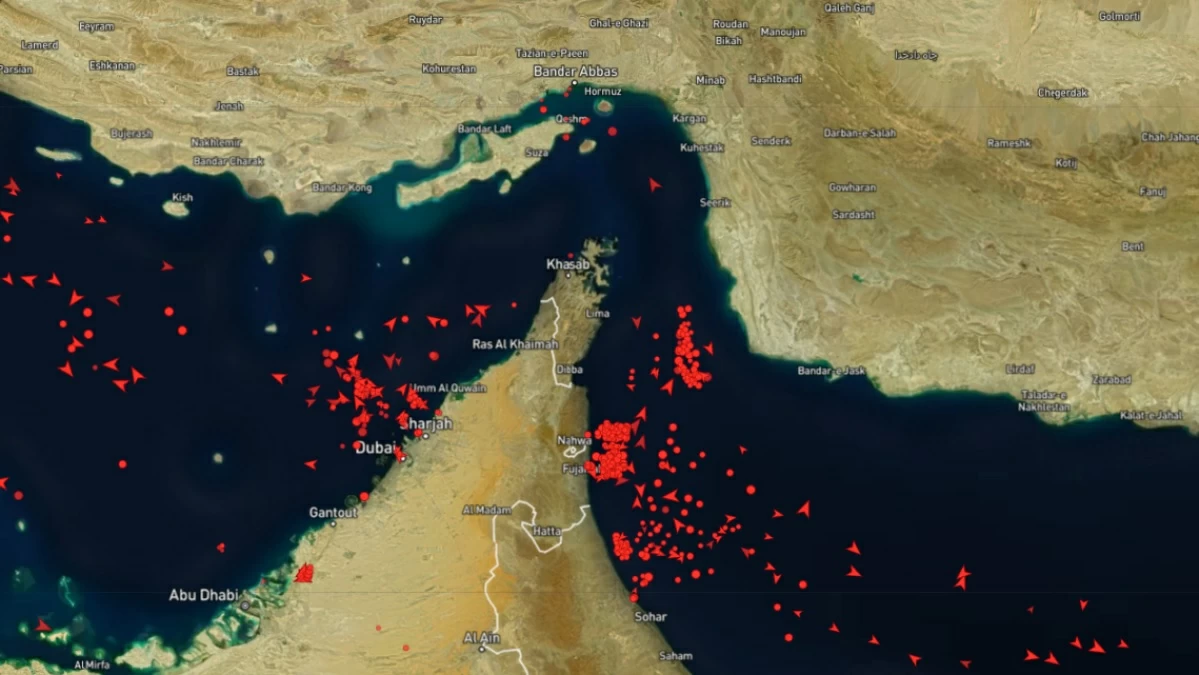
ومع هذا التوتر، باتت هناك 3 مسارات رئيسية لعبور السفن داخل هرمز وهي: المسار الجنوبي بمحاذاة المياه العُمانية، المسار الأوسط الذي كان مستخدماً قبل الحرب، والمسار الشمالي الذي تسيطر عليه إيران.ويضع هذا الواقع مشغلي السفن أمام خيارات معقدة بشأن الطريق الذي ينبغي سلوكه.
وقال الرئيس التنفيذي لشركة Marisks ديميتريس مانياتيس، إن «كل ذلك يخلق حالة من الارتباك بالنسبة للملاحة الآمنة في تلك المياه»، مضيفاً أن «البيئة الحالية شديدة الخطورة».
ورغم التحذيرات الإيرانية، تشير البيانات إلى أن عدداً متزايداً من السفن بدأ يعتمد المسار الجنوبي، ووفقاً لشركة Windward المتخصصة في الاستخبارات البحرية، وعبرت الخميس 18 سفينة المضيق إلى داخل الخليج و45 سفينة إلى خارجه، فيما استخدم أكثر من نصف السفن المغادرة للخليج المسار الجنوبي القريب من سلطنة عمان.
وأظهرت بيانات خدمة تتبع السفن MarineTraffic أن ناقلتين للنفط وناقلتين للغاز الطبيعي المسال وسفينة حاويات استخدمت هذا المسار الأحد أثناء توجهها إلى موانئ الخليج.
غموض بشأن المسار الآمن
لكن استمرار الغموض بشأن المسار الآمن يعقّد عودة حركة التجارة إلى مستوياتها الطبيعية قبل الحرب، وفق CNN. فإذا اختارت السفن المسارات غير الخاضعة لإيران، فإنها تخشى التعرض لهجمات، أما إذا استخدمت المسار الذي يسيطر عليه الحرس الثوري، فإنها تخشى التعرض لعقوبات غربية إذا انهار الاتفاق مستقبلاً.
وقال مانياتيس إن شركات الشحن العالمية ترغب في تجنب التعامل مع الإيرانيين خشية التعرض لعقوبات أمريكية مستقبلاً، لافتاً إلى أن إدارة الرئيس ترمب سبق أن لوحت بإمكانية فرض عقوبات على أي رسوم عبور تُدفع لإيران.
As tensions rise over the mechanism for managing maritime navigation, the ceasefire agreement between Iran and the United States faces its first practical test in the Strait of Hormuz.
A concession made by Tehran to Washington
While Tehran claims it will ensure the passage of commercial ships and insists on organizing traffic through agreed-upon routes, shipping companies are resorting to alternative routes near the Omani coasts to avoid security risks and the possibility of facing U.S. sanctions, according to CNN.
The Iranian Revolutionary Guard warned last Thursday that ships passing through the Strait of Hormuz should be aware that "if they attempt to cross without our permission, or outside the designated route, they bear the responsibility for any consequences that may arise from that."
This warning came days after tensions in the strait and its surroundings, following attacks on two commercial vessels, while an increasing number of ships began using the "southern route" near the Omani coasts to avoid Iranian oversight.
The memorandum of understanding states that Iran will make its best efforts to ensure the safe passage of commercial ships through "Hormuz," which the American network considered "the most significant concession made by Tehran to the United States."
However, Iran asserts that reopening the strait does not mean relinquishing control over it, as a loosely worded clause in the agreement stipulates that Iran and Oman will work together to "determine the future management mechanism" for the strait, granting Tehran an official role in regulating maritime traffic.
Routes for crossing the Strait of Hormuz
With this tension, there are now three main routes for ships crossing through Hormuz: the southern route along the Omani waters, the middle route that was used before the war, and the northern route controlled by Iran. This reality puts ship operators in a complicated position regarding which route to take.
Dimitris Maniatis, CEO of Marisks, stated that "all of this creates a state of confusion regarding safe navigation in those waters," adding that "the current environment is extremely dangerous."
Despite the Iranian warnings, data indicates that an increasing number of ships have begun to rely on the southern route. According to Windward, a maritime intelligence company, on Thursday, 18 ships crossed the strait into the Gulf and 45 ships exited it, while more than half of the ships departing the Gulf used the southern route near Oman.
Data from the ship tracking service MarineTraffic showed that two oil tankers, two liquefied natural gas carriers, and a container ship used this route on Sunday while heading to Gulf ports.
Uncertainty regarding the safe route
However, the ongoing uncertainty regarding the safe route complicates the return of trade to its pre-war levels, according to CNN. If ships choose routes not controlled by Iran, they fear being attacked; if they use the route controlled by the Revolutionary Guard, they fear facing Western sanctions if the agreement collapses in the future.
Maniatis noted that global shipping companies want to avoid dealing with the Iranians for fear of facing future U.S. sanctions, pointing out that the Trump administration had previously hinted at the possibility of imposing sanctions on any transit fees paid to Iran.