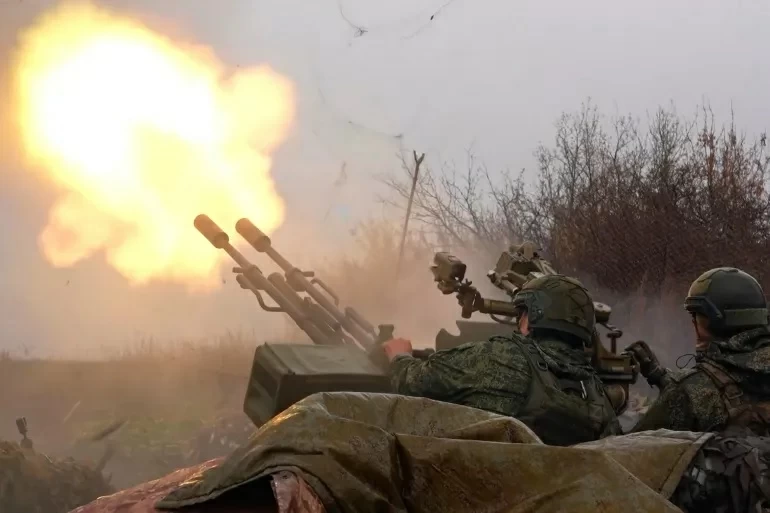
تواجه شبه جزيرة القرم، وفق تقارير وتحقيقات لصحف ومصادر غربية، أخطر الضغوط منذ ضمها إلى روسيا عام 2014، مع تصاعد الهجمات الأوكرانية التي لم تعد تقتصر على المواقع العسكرية، بل امتدت إلى البنية التحتية للطاقة والنقل والإمداد، في محاولة لعزل الجزيرة واستنزاف موسكو عسكرياً واقتصادياً وسياسياً.
ويثير هذا التطور تساؤلات حول ما إذا كان سيدفع الرئيس الروسي فلاديمير بوتين إلى التفاوض أم إلى مزيد من التصعيد؟
وأعلنت السلطات الروسية في القرم حالة الطوارئ عقب هجمات تسببت في انقطاع الكهرباء ونقص الوقود، ما اعتبرته صحف غربية مؤشراً على اقتراب أوكرانيا من تحقيق هدفها المعلن بعزل الجزيرة. ولفتت إلى أن الجسور والطرق والسكك الحديدية ومحطات الكهرباء ومستودعات الوقود باتت أهدافاً متكررة للهجمات، ما أدى إلى تعليق بيع الوقود للمدنيين، وإلغاء الأنشطة الصيفية، وظهور طوابير طويلة على جسر كيرتش لمغادرة القرم.
ووفق تقارير غربية، فإن استراتيجية كييف لم تعد تركز على استنزاف القوات الروسية في الجبهة فقط، بل تسعى إلى نقل كلفة الحرب إلى الداخل الروسي عبر استهداف منشآت النفط والغاز وخطوط الإمداد، الأمر الذي يزيد الضغوط على الاقتصاد الروسي المعتمد بدرجة كبيرة على صادرات الطاقة، خصوصاً مع تراجع أسعارها عالمياً.
وأشارت التقارير إلى أن الرئيس الأوكراني فولوديمير زيلينسكي أعلن بدء حملة تستمر 40 يوماً للضغط على موسكو من أجل قبول تسوية سياسية، بينما يؤكد الكرملين أن هذه الهجمات تستهدف زعزعة الاستقرار الداخلي وإثارة الشكوك حول الجيش الروسي.
وكشفت صحيفة «لوموند» الفرنسية، استناداً إلى نحو 7,000 رسالة مسربة من جنود روس وعائلاتهم، عن صورة مغايرة للرواية الرسمية الروسية، إذ تحدثت الرسائل عن الخوف والفساد وسوء المعاملة، إضافة إلى انتشار الرشاوى لتجنب العودة إلى الجبهة أو الحصول على إجازات، واتهامات لبعض القادة بالاستيلاء على مستحقات الجنود. وترى الصحيفة أن استمرار الحرب يفاقم مشكلات الانضباط ويؤثر سلباً في معنويات القوات الروسية.
وفي ظل هذه الضغوط، تساءلت التقارير عن رد فعل بوتين إذا شعر بأن القرم باتت مهددة بالفعل. وتشير تحليلات إلى وجود اتجاهين داخل النخبة الروسية: الأول يدعو إلى تجميد القتال والتفاوض للحفاظ على المكاسب الحالية، والثاني يطالب بالتصعيد عبر تعبئة مزيد من قوات الاحتياط وتوسيع العمليات العسكرية.
وخلصت إلى أن القرم أصبحت أكثر من مجرد ساحة قتال، بل تمثل اختباراً حاسماً لإرادة موسكو وكييف، وقد تحدد التطورات فيها ما إذا كانت الحرب ستتجه نحو مفاوضات سياسية أم نحو مرحلة أكثر خطورة من التصعيد العسكري.
The Crimean Peninsula is facing the most severe pressures since its annexation to Russia in 2014, according to reports and investigations by Western newspapers and sources, as Ukrainian attacks have escalated, no longer limited to military sites but extending to energy, transportation, and supply infrastructure, in an attempt to isolate the island and drain Moscow militarily, economically, and politically.
This development raises questions about whether it will push Russian President Vladimir Putin to negotiate or to escalate further?
The Russian authorities in Crimea declared a state of emergency following attacks that caused power outages and fuel shortages, which Western newspapers considered an indication that Ukraine is nearing its stated goal of isolating the island. They pointed out that bridges, roads, railways, power stations, and fuel depots have become frequent targets of attacks, leading to the suspension of fuel sales to civilians, the cancellation of summer activities, and long queues appearing on the Kerch Bridge to leave Crimea.
According to Western reports, Kyiv's strategy is no longer focused solely on draining Russian forces at the front but aims to transfer the cost of the war to the Russian interior by targeting oil and gas facilities and supply lines, which increases pressure on the Russian economy, heavily reliant on energy exports, especially with global prices declining.
The reports indicated that Ukrainian President Volodymyr Zelensky announced the start of a 40-day campaign to pressure Moscow to accept a political settlement, while the Kremlin asserts that these attacks aim to destabilize the internal situation and raise doubts about the Russian army.
The French newspaper "Le Monde," based on around 7,000 leaked messages from Russian soldiers and their families, revealed a different picture from the official Russian narrative, as the messages spoke of fear, corruption, and mistreatment, in addition to the prevalence of bribes to avoid returning to the front or to obtain leave, along with accusations against some leaders of embezzling soldiers' entitlements. The newspaper believes that the continuation of the war exacerbates disciplinary issues and negatively affects the morale of Russian forces.
In light of these pressures, reports questioned Putin's reaction if he felt that Crimea was indeed threatened. Analyses indicate the existence of two trends within the Russian elite: the first calls for freezing the fighting and negotiating to maintain current gains, while the second demands escalation through mobilizing more reserve forces and expanding military operations.
It concluded that Crimea has become more than just a battlefield; it represents a crucial test of the will of Moscow and Kyiv, and developments there may determine whether the war will move towards political negotiations or towards a more dangerous phase of military escalation.