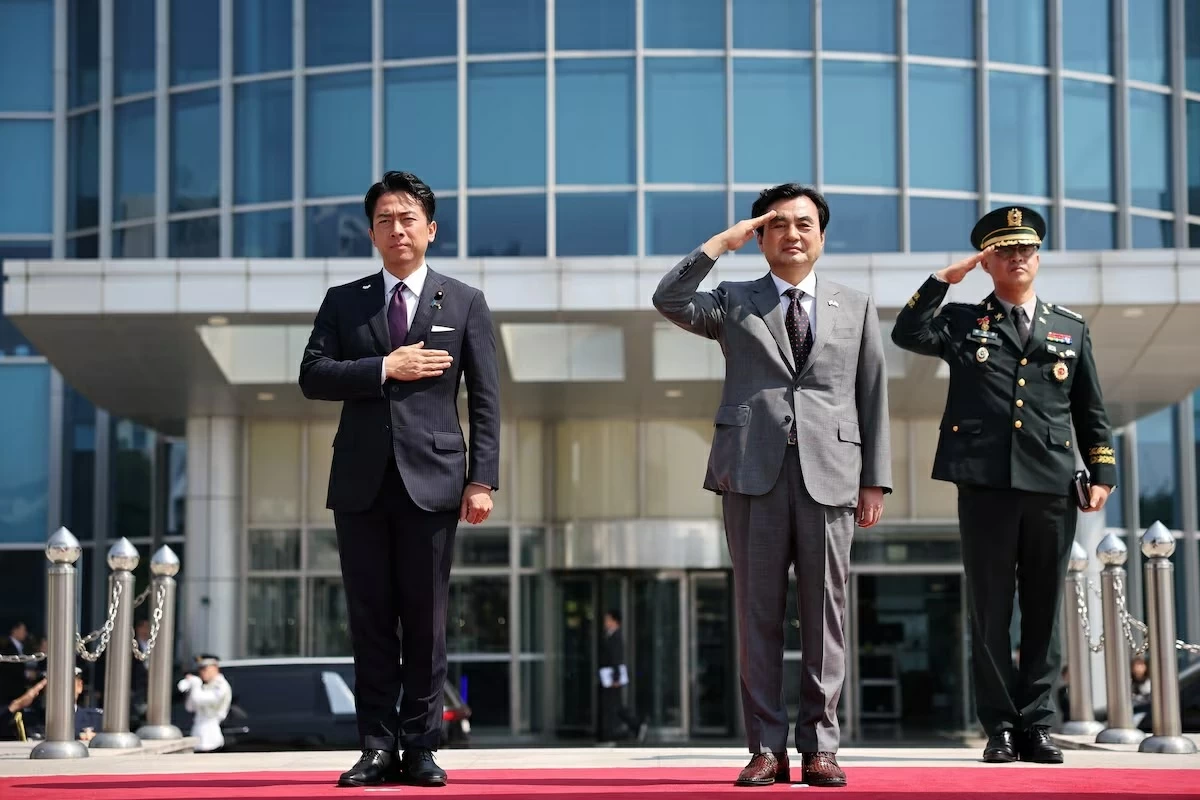
في خطوة تعكس استمرار التقارب بين البلدين رغم الملفات التاريخية المعقدة، جددت كوريا الجنوبية واليابان التزامهما بالعمل من أجل نزع السلاح النووي من شبه الجزيرة الكورية، كما اتفقتا على استئناف تدريبات البحث والإنقاذ المشتركة، في مؤشر جديد على تعزيز التعاون الأمني بين الجارتين الآسيويتين.
وجاء الاتفاق خلال اجتماع عقد في العاصمة الكورية الجنوبية سيول بين وزير الدفاع الكوري الجنوبي آن جيو-باك ونظيره الياباني شينجيرو كويزومي، ضمن الجولة السادسة من الحوار الدفاعي بين البلدين.
تعاون أمني لمواجهة بيئة إقليمية معقّدة
وأكد الجانبان خلال اللقاء أهمية مواصلة التنسيق الثنائي والعمل المشترك مع الولايات المتحدة للحفاظ على الاستقرار الإقليمي في ظل التحديات الأمنية المتزايدة.
وقالت وزارة الدفاع الكورية الجنوبية إن الوزيرين اتفقا على استمرار التعاون من أجل الحفاظ على السلام والاستقرار في المنطقة في ظل «البيئة الأمنية الخطيرة» التي تشهدها آسيا الشرقية.
تجاوز الخلافات التاريخية
ومنذ عام 2022، تعمل سيول وطوكيو – بدعم أمريكي – على إعادة بناء العلاقات الثنائية بعد سنوات من التوتر والخلافات المرتبطة بالإرث التاريخي للاحتلال الياباني لشبه الجزيرة الكورية.
وكانت العلاقات قد شهدت أزمة بارزة عام 2019 عندما اتخذت كوريا الجنوبية خطوات لإنهاء اتفاق تبادل المعلومات الاستخباراتية مع اليابان، عقب القيود التي فرضتها طوكيو على صادرات مواد تدخل في صناعة أشباه الموصلات وإزالة سيول من قائمتها التجارية التفضيلية.
لكن خلال السنوات الأخيرة، تسارع مسار التقارب بين البلدين، إذ اتفق رئيس الوزراء الياباني السابق شيغيرو إيشيبا والرئيس الكوري الجنوبي لي جاي ميونغ في 2025 على توسيع التعاون الأمني والاقتصادي.
تدريبات مشتركة وتنسيق ضد تهديدات كوريا الشمالية
واتفق وزيرا الدفاع على تعزيز التعاون مع واشنطن لمواجهة التهديدات النووية لكوريا الشمالية، إضافة إلى متابعة التطورات المتعلقة بتنامي العلاقات العسكرية بين بيونغ يانغ وموسكو.
كما شمل التعاون مجالات الذكاء الاصطناعي والأنظمة غير المأهولة، وتنظيم تدريبات ثلاثية سنوية.
وفي خطوة عملية جديدة، أعلن الطرفان مواصلة تبادل الخبرات بين فرق الاستعراض الجوي التابعة للقوات الجوية في البلدين، وهما فريق «بلاك إيجلز» الكوري الجنوبي و«بلو إمبالس» الياباني.
واتفق الجانبان أيضاً على تطوير تدريبات البحث والإنقاذ الخاصة بالتعامل مع حوادث الطوارئ البحرية، بعد أن أُجريت في يونيو الماضي أول مناورة إنسانية مشتركة من هذا النوع منذ نحو عقد.
ملفات خلافية لا تزال قائمة
ورغم هذا التقارب، لا تزال بعض القضايا التاريخية تمثّل مصدر توتر بين البلدين، وعلى رأسها قضية النساء الكوريات اللاتي أُجبرن على العمل في بيوت الدعارة العسكرية اليابانية خلال الحرب العالمية الثانية.
كما استمرت الخلافات بشأن الجزر المتنازع عليها، إذ احتجت سيول في فبراير الماضي على فعالية يابانية مرتبطة بجزر «تاكيشيما» التي تُعرف في كوريا الجنوبية باسم «دوكدو»، وتخضع حالياً للإدارة الكورية الجنوبية.
In a move that reflects the ongoing rapprochement between the two countries despite complex historical issues, South Korea and Japan renewed their commitment to work towards the denuclearization of the Korean Peninsula, and they agreed to resume joint search and rescue exercises, in a new indication of strengthening security cooperation between the two Asian neighbors.
The agreement came during a meeting held in the South Korean capital, Seoul, between South Korean Defense Minister An Kyung-duk and his Japanese counterpart Shinjiro Koizumi, as part of the sixth round of defense dialogue between the two countries.
Security Cooperation to Address a Complex Regional Environment
During the meeting, both sides emphasized the importance of continuing bilateral coordination and joint work with the United States to maintain regional stability amid increasing security challenges.
The South Korean Ministry of Defense stated that the two ministers agreed to continue cooperation to maintain peace and stability in the region in light of the "dangerous security environment" that East Asia is experiencing.
Overcoming Historical Disputes
Since 2022, Seoul and Tokyo – with U.S. support – have been working to rebuild bilateral relations after years of tension and disputes related to the historical legacy of the Japanese occupation of the Korean Peninsula.
The relationship faced a significant crisis in 2019 when South Korea took steps to end an intelligence-sharing agreement with Japan, following restrictions imposed by Tokyo on exports of materials used in semiconductor manufacturing and removing Seoul from its preferential trade list.
However, in recent years, the path of rapprochement between the two countries has accelerated, as former Japanese Prime Minister Shigeru Ishiba and South Korean President Yoon Suk-yeol agreed in 2025 to expand security and economic cooperation.
Joint Exercises and Coordination Against North Korean Threats
The defense ministers agreed to enhance cooperation with Washington to address North Korea's nuclear threats, as well as to monitor developments regarding the growing military relations between Pyongyang and Moscow.
The cooperation also included areas such as artificial intelligence and unmanned systems, and organizing annual trilateral exercises.
In a new practical step, the two sides announced the continuation of experience exchange between the air demonstration teams of the two countries' air forces, namely the South Korean "Black Eagles" and the Japanese "Blue Impulse."
The two sides also agreed to develop search and rescue exercises related to handling maritime emergency incidents, after the first joint humanitarian exercise of this kind was conducted last June for nearly a decade.
Ongoing Disputed Issues
Despite this rapprochement, some historical issues remain a source of tension between the two countries, foremost among them the issue of Korean women who were forced to work in Japanese military brothels during World War II.
Disputes over the contested islands also continued, as Seoul protested last February against a Japanese event related to the "Takeshima" islands, known in South Korea as "Dokdo," which are currently administered by South Korea.