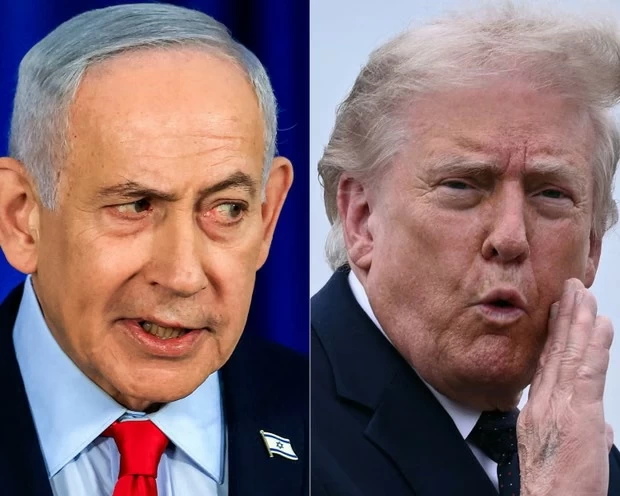
نجحت الجهود الدبلوماسية في احتواء أحدث جولة من المواجهة بين إيران وإسرائيل، لكن التناقض المتزايد بين حسابات الرئيس الأمريكي دونالد ترمب ورئيس الوزراء الإسرائيلي بنيامين نتنياهو يضع الهدنة أمام اختبار صعب، ويثير تساؤلات حول قدرة المنطقة على تجنب تصعيد جديد في المدى القريب، وفق صحيفة الغارديان.
وشهدت المنطقة خلال اليومين الماضيين تبادلاً للهجمات الصاروخية بين إيران وإسرائيل، في مشهد أعاد التأكيد على هشاشة الوضع الأمني والإقليمي، وكشف في الوقت ذاته طبيعة العلاقة المعقدة التي تجمع ترمب ونتنياهو، الحليفين اللذين باتت مصالحهما السياسية والإستراتيجية تتجه في مسارين مختلفين.
وفي محاولة لإبراز دوره القيادي، شدد ترمب على أنه صاحب القرار الأول في ملفات الشرق الأوسط، مؤكداً في تصريحات إعلامية أنه «يتخذ جميع القرارات» المتعلقة بالمنطقة. وجاءت هذه التصريحات بعد أيام من تقارير تحدثت عن توبيخ حاد وجهه الرئيس الأمريكي إلى نتنياهو بسبب سياسات إسرائيل العسكرية، محذراً إياه من خطوات قد تؤدي إلى تقويض جهود التهدئة.
لكن التطورات الميدانية أظهرت أن نتنياهو لا يزال مستعداً لاتخاذ قرارات منفردة عندما يرى أن المصالح الإسرائيلية تتطلب ذلك. فبعد تعرض القوات الإسرائيلية لخسائر في لبنان، أمر بشن غارات على مواقع مرتبطة بحزب الله في الضاحية الجنوبية لبيروت، الأمر الذي أدى إلى رد إيراني تمثل في إطلاق صواريخ باتجاه إسرائيل.
ورغم نجاح أنظمة الدفاع الإسرائيلية في اعتراض معظم المقذوفات، ورغم دعوات ترمب إلى ضبط النفس، ردت إسرائيل بضربات صاروخية داخل إيران، ما أدى إلى اتساع دائرة المواجهة قبل أن يعلن الطرفان وقفاً جديداً لإطلاق النار.
ويعكس هذا التصعيد حجم التباين بين أولويات الزعيمين، فبالنسبة لترمب، يشكل استمرار التوتر العسكري تهديداً سياسياً واقتصادياً، خصوصا بعد تأثير الأزمة على أسواق الطاقة العالمية وتعطل بعض خطوط التجارة الدولية، كما يسعى الرئيس الأمريكي إلى تجنب أزمات خارجية قد تؤثر على حساباته السياسية الداخلية واستحقاقاته الانتخابية القادمة.
في المقابل، يواجه نتنياهو ضغوطاً سياسية متزايدة داخل إسرائيل، حيث تقترب البلاد من انتخابات حاسمة قد تهدد بقاء ائتلافه الحاكم.
ويرى مراقبون أن رئيس الوزراء الإسرائيلي يحتاج إلى تحقيق إنجازات ملموسة في مواجهة خصوم إسرائيل الإقليميين، وعلى رأسهم إيران وحزب الله وحركة حماس، لتعزيز موقعه السياسي.
وبينما تراهن الإدارة الأمريكية على إنجاح المفاوضات الجارية مع إيران، تبدو الحكومة الإسرائيلية أكثر تشككاً في فرص التوصل إلى اتفاق دائم.
وتشير تقارير إلى أن أي تفاهم محتمل بين واشنطن وطهران قد يسمح باستمرار النظام الإيراني مع فرض قيود على برنامجه النووي، وهو ما لا يتوافق مع الرؤية الإسرائيلية التي تطالب بتفكيك القدرات النووية الإيرانية بالكامل.
كما تخشى تل أبيب أن يؤدي أي اتفاق جديد إلى تقييد حرية تحركها العسكري في لبنان أو ضد حلفاء إيران في المنطقة، الأمر الذي يزيد من حدة التوتر بين الجانبين الأمريكي والإسرائيلي.
ويرى محللون أن نتنياهو قد يعتبر فشل المفاوضات الأمريكية الإيرانية فرصة لتعزيز موقفه السياسي وإعادة الولايات المتحدة إلى نهج المواجهة المباشرة مع طهران.
وفي المقابل، يبدو ترمب متردداً بين رغبته في تحقيق اتفاق دبلوماسي وبين ضغوط داخلية وخارجية تدفعه نحو تشديد الموقف تجاه إيران.
وفي ظل هذا المشهد المعقد، تبقى المنطقة عالقة في مساحة رمادية بين الحرب الشاملة والسلام المستدام. فالتوتر بين طموحات نتنياهو العسكرية وحسابات ترمب السياسية يجعل مستقبل الهدنة الحالية غير مضمون، ويزيد من احتمالات عودة التصعيد في أي وقت.
ومع استمرار الخلافات بين الرجلين حول كيفية التعامل مع إيران وحلفائها، يبقى الشرق الأوسط معرضاً لموجات جديدة من عدم الاستقرار، في انتظار ما ستسفر عنه المفاوضات الجارية وحسابات السياسة الداخلية لدى كل من واشنطن وتل أبيب.
The diplomatic efforts have succeeded in containing the latest round of confrontation between Iran and Israel, but the increasing contradiction between the calculations of U.S. President Donald Trump and Israeli Prime Minister Benjamin Netanyahu puts the truce to a tough test and raises questions about the region's ability to avoid a new escalation in the near future, according to The Guardian.
Over the past two days, the region witnessed a exchange of missile attacks between Iran and Israel, in a scene that reaffirmed the fragility of the security and regional situation, while simultaneously revealing the complex nature of the relationship between Trump and Netanyahu, two allies whose political and strategic interests have begun to diverge.
In an attempt to highlight his leadership role, Trump emphasized that he is the primary decision-maker on Middle Eastern issues, stating in media remarks that he "makes all the decisions" related to the region. These statements came days after reports of a sharp reprimand from the U.S. president to Netanyahu over Israel's military policies, warning him against steps that could undermine de-escalation efforts.
However, field developments showed that Netanyahu is still willing to make unilateral decisions when he sees that Israeli interests require it. After Israeli forces suffered losses in Lebanon, he ordered airstrikes on sites linked to Hezbollah in the southern suburbs of Beirut, which led to an Iranian response in the form of missiles fired towards Israel.
Despite the success of Israeli defense systems in intercepting most of the projectiles, and despite Trump's calls for restraint, Israel responded with missile strikes inside Iran, which widened the scope of confrontation before both sides announced a new ceasefire.
This escalation reflects the disparity between the leaders' priorities; for Trump, the continuation of military tension poses a political and economic threat, especially after the crisis affected global energy markets and disrupted some international trade routes. The U.S. president is also seeking to avoid external crises that could impact his internal political calculations and upcoming electoral obligations.
In contrast, Netanyahu faces increasing political pressure within Israel, as the country approaches critical elections that could threaten the survival of his ruling coalition.
Observers believe that the Israeli Prime Minister needs to achieve tangible successes against Israel's regional adversaries, primarily Iran, Hezbollah, and Hamas, to bolster his political position.
While the U.S. administration bets on the success of ongoing negotiations with Iran, the Israeli government appears more skeptical about the chances of reaching a permanent agreement.
Reports indicate that any potential understanding between Washington and Tehran may allow the Iranian regime to continue while imposing restrictions on its nuclear program, which does not align with the Israeli vision that demands the complete dismantling of Iranian nuclear capabilities.
Tel Aviv also fears that any new agreement could restrict its military freedom of movement in Lebanon or against Iran's allies in the region, which exacerbates tensions between the American and Israeli sides.
Analysts believe that Netanyahu may view the failure of U.S.-Iranian negotiations as an opportunity to strengthen his political position and push the United States back towards a direct confrontation approach with Tehran.
Conversely, Trump appears hesitant between his desire to achieve a diplomatic agreement and internal and external pressures pushing him towards a tougher stance on Iran.
In this complex scene, the region remains stuck in a gray area between total war and sustainable peace. The tension between Netanyahu's military ambitions and Trump's political calculations makes the future of the current truce uncertain and increases the likelihood of a return to escalation at any moment.
As the disagreements between the two men continue over how to deal with Iran and its allies, the Middle East remains vulnerable to new waves of instability, awaiting the outcomes of the ongoing negotiations and the internal political calculations of both Washington and Tel Aviv.