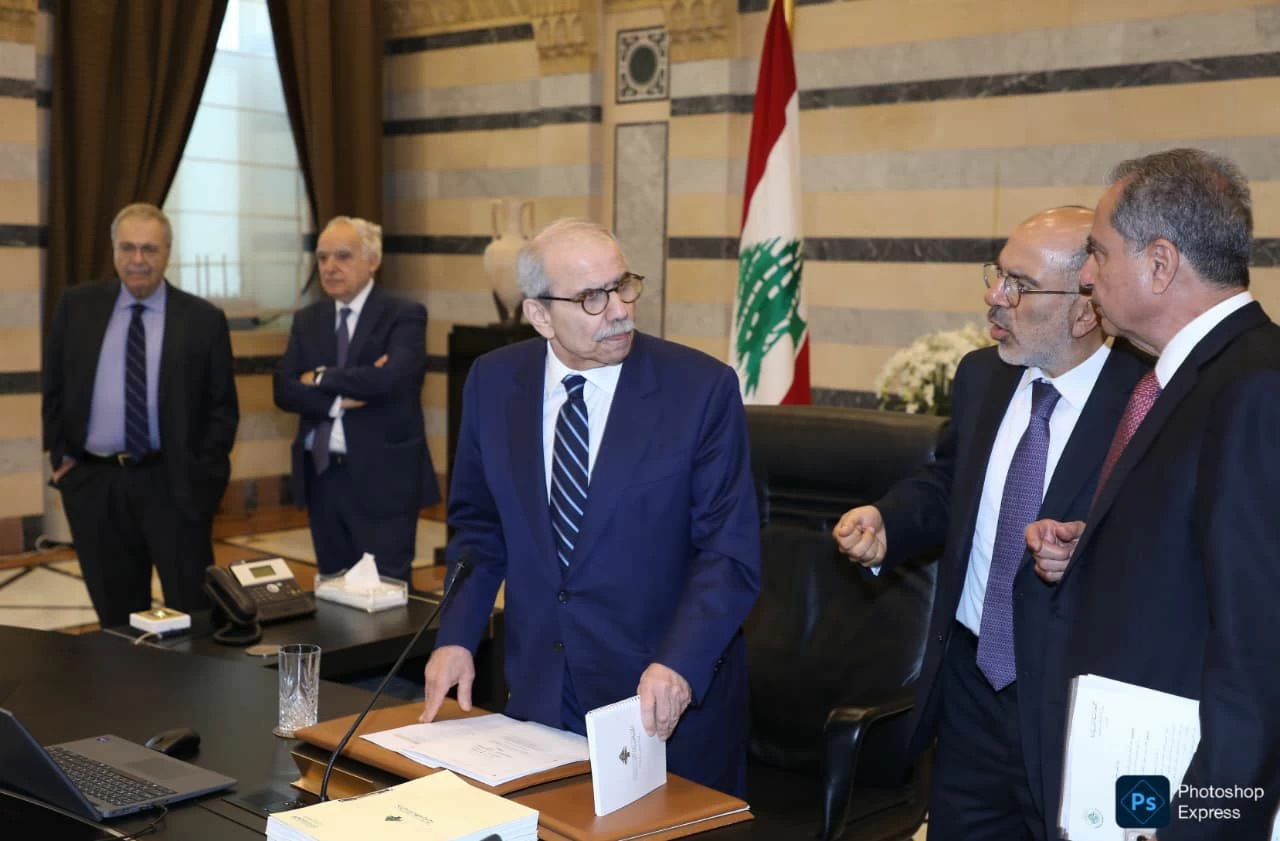
أكد رئيس الحكومة اللبنانية الدكتور نواف سلام، في مستهل جلسة مجلس الوزراء اليوم (الخميس)، أن مسار التفاوض الذي انتهجته الحكومة يمثل الطريق الأسرع والأقل كلفة لحماية لبنان والجنوب، مشدداً على أن هذا الخيار كان الأفضل مقارنة بالانكفاء، أو اللجوء الطويل للمحاكم الدولية، أو الاكتفاء بمجلس الأمن وعرقلته السياسية؛ علماً أن هذا المسار لا يسقط إمكانية اللجوء إلى البدائل السياسية والقانونية الأخرى بالتوازي.
وفي سياق استعراضه لنتائج المفاوضات، نوه سلام بموقف الرئيس جوزيف عون، وجدد التمسك بالثوابت اللبنانية المتمثلة في تحقيق الانسحاب الإسرائيلي الكامل وضمان عودة النازحين إلى قراهم بأمن وكرامة، استناداً إلى الحق الوطني والدعم العربي والدولي، والتفهم الأمريكي.
وتطرق سلام بشكل حاسم إلى ملفي الأمن والسيادة، حيث أوضح أن إخلاء منطقة جنوب نهر الليطاني من المسلحين والسلاح ليس إملاءً خارجياً، بل هو تنفيذ لالتزامات لبنان الرسمية تجاه القرار الدولي 1701 الصادر عام 2006. وربط سلام بين هذه المرحلة وتطبيق البنود الدستورية لاتفاق الطائف والبيان الوزاري المتعلقة بحصرية السلاح بيد الدولة اللبنانية على كامل ترابها الوطني، محذراً من مغبة تضييع هذه الفرصة الحالية كما حدث في محطات تاريخية سابقة عامي 2000 و2005.
وأعلن سلام عن بدء الخطوات التنفيذية الميدانية من خلال إطلاق المرحلة الأولى لانتشار الجيش اللبناني في مناطق تجريبية محددة في الجنوب، كإجراء يدعم مطلب الانسحاب الكامل ولا يلغيه.
ودعا رئيس الوزراء اللبناني القوى السياسية كافة إلى تقديم المصلحة الوطنية العليا على الاعتبارات الفئوية والإقليمية، محملاً الأطراف التي قد تلجأ إلى المماطلة أو الرفض المسؤولية الكاملة عن التبعات المستقبلية أمام التاريخ والشعب اللبناني.
يأتي الموقف الحاسم لرئيس الحكومة في وقت تشهد فيه البلاد تباينات سياسية معقدة، برزت معالمها عقب صدور مواقف من الأمين العام لحزب الله نعيم قاسم، والتي حملت مؤشرات واضحة على رفض الاتفاق بصيغته الحالية، مما يضع آليات التنفيذ الحكومية ورؤيتها لسيادة الدولة ومؤسساتها الرسمية أمام اختبار دقيق للتوازنات الداخلية.
The Lebanese Prime Minister, Dr. Nawaf Salam, affirmed at the beginning of the Cabinet session today (Thursday) that the negotiation path adopted by the government represents the fastest and least costly way to protect Lebanon and the South, stressing that this option was the best compared to retreating, or the prolonged recourse to international courts, or relying solely on the Security Council and its political obstruction; noting that this path does not eliminate the possibility of resorting to other political and legal alternatives in parallel.
In the context of reviewing the results of the negotiations, Salam praised the position of President Joseph Aoun and reiterated the commitment to the Lebanese constants represented in achieving the complete Israeli withdrawal and ensuring the return of displaced persons to their villages safely and with dignity, based on national rights and Arab and international support, as well as American understanding.
Salam decisively addressed the issues of security and sovereignty, clarifying that the evacuation of the area south of the Litani River from armed groups and weapons is not an external imposition, but rather the implementation of Lebanon's official commitments to UN Resolution 1701 issued in 2006. Salam linked this phase to the application of the constitutional provisions of the Taif Agreement and the ministerial statement concerning the exclusivity of arms in the hands of the Lebanese state over its entire national territory, warning against the consequences of missing this current opportunity as happened in previous historical moments in 2000 and 2005.
Salam announced the commencement of practical field steps by launching the first phase of the deployment of the Lebanese Army in specific experimental areas in the South, as a measure that supports the demand for complete withdrawal without negating it.
The Lebanese Prime Minister called on all political forces to prioritize the supreme national interest over factional and regional considerations, holding parties that may resort to procrastination or refusal fully responsible for future repercussions before history and the Lebanese people.
The decisive stance of the Prime Minister comes at a time when the country is witnessing complex political disparities, which became evident following statements from the Secretary-General of Hezbollah, Naeem Qassem, which carried clear indications of rejecting the agreement in its current form, placing the government's implementation mechanisms and its vision for the sovereignty of the state and its official institutions before a precise test of internal balances.