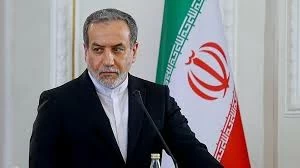
أعلن وزير الخارجية الإيراني عباس عراقجي، أن الوساطة الباكستانية لم تفشل، لكنها تواجه صعوبات، مرحباً بأي جهد تبذله الصين للمساعدة في حل الأزمة.
وخلال مؤتمر صحافي في نيودلهي على هامش اجتماعات مجموعة بريكس، اليوم ا(لجمعة)، اعتبر أن الرسائل المتناقضة جعلتنا غير متأكدين من النوايا الحقيقية للأمريكيين بشأن المفاوضات، مؤكداً أن «المفاوضات الحالية تفتقر للثقة».
وزعم عراقجي أن مضيق هرمز يقع في المياه الإقليمية لإيران وسلطنة عمان، ولا توجد فيه مياه دولية، معتبراً أنه على طهران ومسقط «إدارة العبور في المضيق، ونحن نتشاور بشأن ذلك».
وأضاف أن الدول التي ترغب في العبور الآمن لمضيق هرمز عليها أن تنسق مع إيران، واصفاً الوضع في المضيق بـ«المعقد». وأفاد بأن طهران «تحاول الحفاظ على وقف إطلاق النار لإعطاء فرصة للدبلوماسية». ولفت إلى أن «إيران مهتمة بالتفاوض فقط إذا كان الطرف الآخر جاداً».
وأكد عراقجي أن بلاده «لا تثق في الأمريكيين» بعد الهجمات التي شنتها إسرائيل والولايات المتحدة على بلاده في وسط المفاوضات. ولفت عراقجي إلى أن الولايات المتحدة «لن تحقق في المفاوضات ما لم تتمكن من تحقيقه في الحرب»
من جانبها، كشفت صحيفة «طهران تايمز» الإيرانية اليوم، أن الإدارة الأمريكية رفضت رفضاً قاطعاً خطة إيران لحل الصراع المكونة من 14 نقطة.
وأوضحت أن طهران تلقت رداً من واشنطن على مقترحها الخطي للتسوية، مشيرة إلى أن الولايات المتحدة رفضت جميع مقترحات إيران، وأكدت التزامها بسياسة الضغط، لا سيما فيما يتعلق بالبرنامج النووي الإيراني.
ولفتت الصحيفة إلى أنه في حال قبول واشنطن مقترحات الجانب الإيراني، ستكون طهران مستعدة لبدء مرحلة ثانية من المفاوضات حول قضايا تشمل الملف النووي.
يذكر أنه في العاشر من مايو قدمت إيران رداً على المقترحات الأمريكية المقدمة عبر باكستان لحل النزاع. ووفقاً لمصادر صحيفة «وول ستريت جورنال»، رفضت طهران تفكيك منشآتها النووية الذي تصر عليه واشنطن. وأشارت الصحيفة إلى أن إيران أبدت استعدادها للموافقة على تعليق تخصيب اليورانيوم، ولكن ليس لمدة عشرين عاماً كما تطالب الولايات المتحدة. وفي وقت لاحق، وصف الرئيس الأميركي دونالد ترامب رد طهران بأنه غير مقبول.
The Iranian Foreign Minister Abbas Araqchi announced that the Pakistani mediation has not failed, but it is facing difficulties, welcoming any effort made by China to help resolve the crisis.
During a press conference in New Delhi on the sidelines of the BRICS meetings today (Friday), he considered that the contradictory messages have made us uncertain about the true intentions of the Americans regarding the negotiations, emphasizing that "the current negotiations lack trust."
Araqchi claimed that the Strait of Hormuz is located in the territorial waters of Iran and Oman, and there are no international waters in it, considering that it is up to Tehran and Muscat to "manage the passage through the strait, and we are consulting about that."
He added that countries wishing for safe passage through the Strait of Hormuz must coordinate with Iran, describing the situation in the strait as "complex." He stated that Tehran "is trying to maintain a ceasefire to give diplomacy a chance." He noted that "Iran is only interested in negotiating if the other party is serious."
Araqchi confirmed that his country "does not trust the Americans" after the attacks launched by Israel and the United States on his country in the midst of the negotiations. Araqchi pointed out that the United States "will not achieve in negotiations what it could not achieve in war."
For its part, the Iranian newspaper "Tehran Times" revealed today that the U.S. administration has firmly rejected Iran's 14-point plan to resolve the conflict.
It clarified that Tehran received a response from Washington regarding its written proposal for settlement, indicating that the United States rejected all of Iran's proposals and reaffirmed its commitment to a pressure policy, especially regarding the Iranian nuclear program.
The newspaper noted that if Washington accepts the Iranian side's proposals, Tehran would be ready to start a second phase of negotiations on issues including the nuclear file.
It is worth mentioning that on May 10, Iran responded to the American proposals presented through Pakistan to resolve the dispute. According to sources from the "Wall Street Journal," Tehran rejected the dismantling of its nuclear facilities, which Washington insists on. The newspaper pointed out that Iran has shown a willingness to agree to suspend uranium enrichment, but not for twenty years as demanded by the United States. Later, U.S. President Donald Trump described Tehran's response as unacceptable.