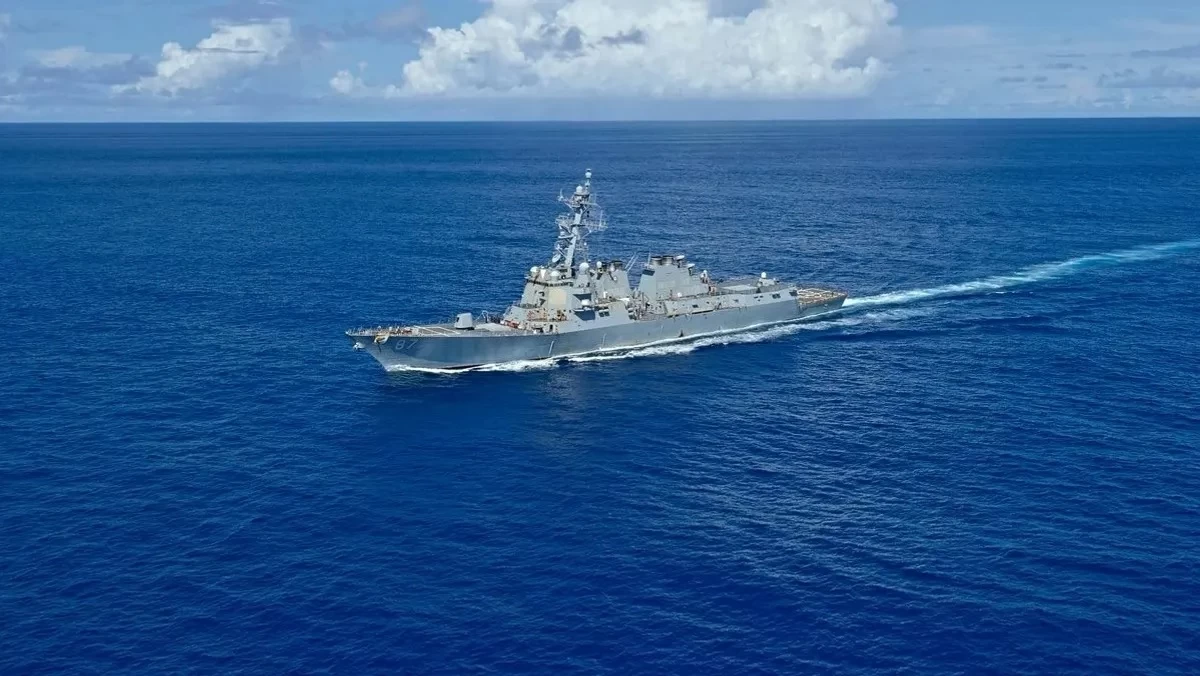
فيما ساد هدوء نسبي عند مضيق هرمز، صباح اليوم (الأحد)، بعد هجمات متفرقة على مدى أيام، لا تزال الولايات المتحدة تنتظر الرد الإيراني على أحدث مقترحاتها لإنهاء الحرب.
إلا أنه لا بوادر على تحرك من طهران بشأن المقترح الذي من شأنه إنهاء الحرب رسمياً قبل بدء المحادثات حول القضايا الأكثر إثارة للجدل، بما في ذلك البرنامج النووي الإيراني.
وكان الرئيس الأمريكي دونالد ترمب توقع أن تتلقى الولايات المتحدة قريباً رداً من إيران على مسودةِ الاتفاق التي تهدف لإنهاء الحرب. وأضاف في تصريحات لقناة LCI الفرنسية، أن طهران لا تزال ترغب بشدة في إبرام اتفاق.
فيما نقلت القناة 13 الإسرائيلية عن مسؤولٍ إسرائيليٍ رفيع قوله: إن ترمب تعهد لرئيس الوزراء الإسرائيلي، بنيامين نتنياهو، بعدم تقديم أي تنازلات في مسألة اليورانيوم المخصب في المفاوضات الجارية مع إيران، لكن إسرائيل تستعد لكافة السيناريوهات.
ومع قرب موعد زيارة الرئيس ترمب للصين هذا الأسبوع، تتزايد الضغوط لوضع حد للحرب التي أججت أزمة طاقة عالمية، وتمثل تهديداً متزايداً للاقتصاد العالمي، بعد أن منعت طهران تقريباً عبور كل السفن غير الإيرانية للمضيق، الذي كان يمر عبره قبل الحرب نحو 20% من إمدادات النفط العالمية.
وشهدت الأيام القليلة الماضية أكبر تصعيد للاشتباكات في المضيق وحوله منذ سريان وقف إطلاق النار قبل نحو شهر وتعرضت الإمارات لهجمات جديدة يوم الجمعة.
وذكرت وكالة فارس شبه الرسمية للأنباء أن اشتباكات متفرقة وقعت الجمعة بين قوات إيرانية وسفن أمريكية في المضيق. وأعلن الجيش الأمريكي إنه استهدف سفينتين مرتبطتين بإيران حاولتا دخول ميناء إيراني وأجبرهما على التراجع.
وفرضت واشنطن حصاراً على السفن الإيرانية الشهر الماضي. لكن مسؤولاً أمريكياً مطلعاً قال إن تقييماً لوكالة المخابرات المركزية الأمريكية CIA يشير إلى أن إيران لن تواجه ضغطاً اقتصادياً هائلاً من الحصار البحري الأمريكي قبل مرور نحو 4 أشهر أخرى.
وأعلنت بريطانيا، أمس السبت، أنها سترسل سفينة حربية إلى الشرق الأوسط، استعداداً لمثل تلك المهمة التي ستشارك فيها دول عدة.
While there was a relative calm at the Strait of Hormuz this morning (Sunday), following sporadic attacks over the past few days, the United States is still waiting for Iran's response to its latest proposals to end the war.
However, there are no signs of movement from Tehran regarding the proposal that would officially end the war before discussions begin on the more contentious issues, including the Iranian nuclear program.
U.S. President Donald Trump had anticipated that the United States would soon receive a response from Iran regarding the draft agreement aimed at ending the war. He added in statements to the French channel LCI that Tehran still strongly desires to reach an agreement.
Meanwhile, Israeli Channel 13 reported that a senior Israeli official stated that Trump promised Israeli Prime Minister Benjamin Netanyahu not to make any concessions on the issue of enriched uranium in the ongoing negotiations with Iran, but Israel is preparing for all scenarios.
With President Trump's visit to China approaching this week, pressure is mounting to put an end to the war that has fueled a global energy crisis and poses an increasing threat to the global economy, after Tehran nearly blocked the passage of all non-Iranian ships through the strait, which before the war accounted for about 20% of global oil supplies.
The past few days have witnessed the largest escalation of clashes in and around the strait since the ceasefire took effect about a month ago, with the UAE experiencing new attacks on Friday.
The semi-official Fars news agency reported that sporadic clashes occurred on Friday between Iranian forces and U.S. ships in the strait. The U.S. military announced that it targeted two vessels linked to Iran that attempted to enter an Iranian port and forced them to retreat.
Washington imposed a blockade on Iranian ships last month. However, a knowledgeable U.S. official stated that an assessment by the CIA indicates that Iran will not face immense economic pressure from the U.S. maritime blockade for about another four months.
Britain announced yesterday, Saturday, that it would send a warship to the Middle East in preparation for such a mission that will involve several countries.