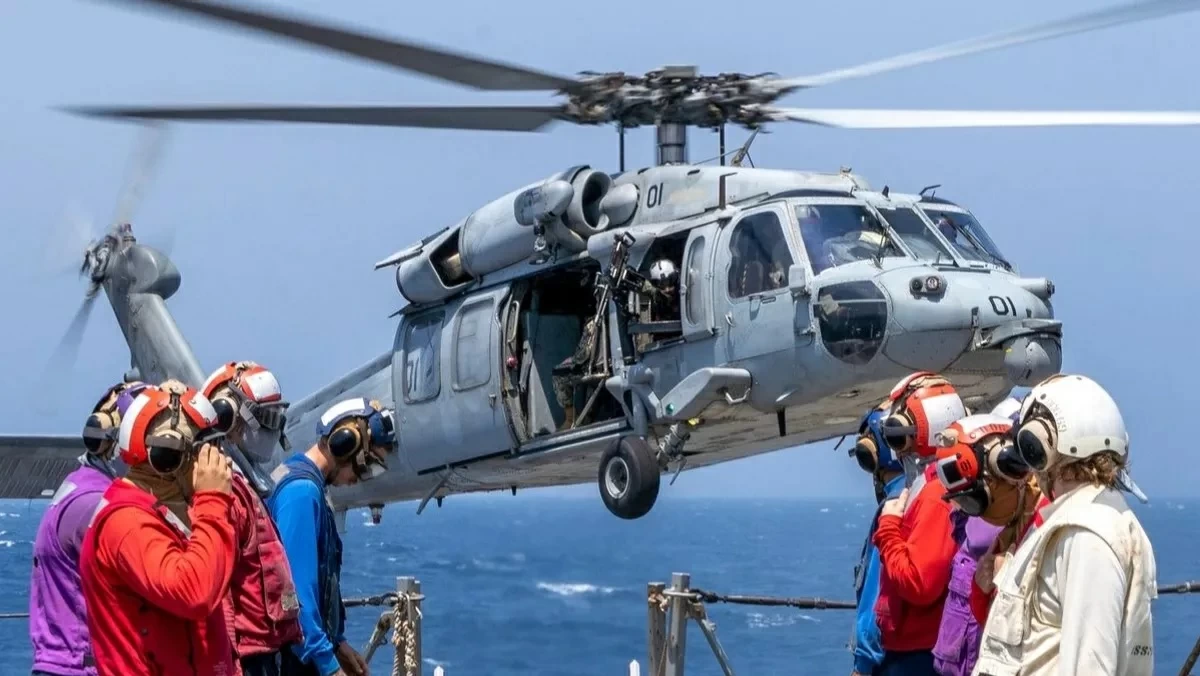
توقّع مسؤول أمريكي أن تقود عملية «مشروع الحرية» التي أطلقها الرئيس دونالد ترمب لإخراج السفن العالقة من مضيق هرمز، في نهاية المطاف إلى «العودة للحرب».
مواجهة مع الإيرانيين
وكشفت القيادة المركزية الأمريكية (سنتكوم)، أن مدمرات تابعة للبحرية مزودة بصواريخ موجهة تعمل حالياً في الخليج العربي.
ونقل موقع «أكسيوس» عن المسؤول قوله: إن ترمب لجأ إلى هذا الحل بعدما ضاق ذرعاً بالجمود في النزاع مع إيران، وحالة «لا اتفاق ولا حرب»، وأمر بالعملية لـ«تغيير هذه المعادلة». وأفاد بأن الرئيس «يريد تحركاً. لا يريد الجلوس مكتوف الأيدي. يريد ضغطاً. ويريد اتفاقاً».
ووصف مصدر مقرب من الرئيس هذه الخطوة بأنها «بداية عملية قد تؤدي إلى مواجهة مع الإيرانيين». وأضاف أن «المهمة الإنسانية» لتحرير السفن العالقة في المضيق تعني أنه «إذا أقدم الإيرانيون على أي خطوة، فسيُنظر إليهم طرفاً مخطئاً، ما يمنحنا الشرعية للتحرك».
وكشف الموقع أن المسؤولين الأمريكيين عرضوا على الرئيس ترمب، مساء الخميس، خطة لإرسال سفن بحرية عبر مضيق هرمز لفتحه بالقوة، لكنه اختار في اللحظة الأخيرة نهجاً أكثر حذراً، على الأقل في المرحلة الأولى.
إرشادات لتجنب الألغام
واعتباراً من، اليوم الإثنين، ستساعد البحرية الأمريكية السفن التي ترفع العلم الأمريكي وغيرها من السفن التجارية على عبور المضيق، من خلال تزويدها بإرشادات لتجنب الألغام، والاستعداد للتدخل إذا تعرضت لهجوم من إيران.
وحسب مسؤولين أمريكيين، فإنه لا توجد حالياً خطة لمرافقة بحرية كاملة للسفن، وبدلاً من ذلك، ستكون سفن البحرية في الجوار، وعلى أهبة الاستعداد، إلى جانب الطائرات العسكرية الأمريكية.
وقالت القيادة المركزية الأمريكية (CENTCOM) إن الدعم العسكري لعملية «مشروع الحرية»، سيشمل مدمرات مزودة بصواريخ موجهة، وطائرات مسيرة، وأكثر من 100 طائرة برية وبحرية، إضافة إلى 15 ألف جندي.
خطة لتضييق مخاطر التصعيد
وأفصح «أكسيوس»، أن قائد القيادة المركزية الأميرال براد كوبر، عرض على ترمب خطة أكثر طموحاً لإرسال سفن بحرية عبر المضيق.
وبحسب مسؤول أمريكي مطلع على الخطة، فإن الولايات المتحدة كانت ستستهدف بموجب هذه الخطة، أي صواريخ أو زوارق سريعة تطلقها إيران رداً على العملية، وكانت ستستأنف الحرب بكامل قوتها إذا صعدت إيران عبر مهاجمة دول الخليج.
فيما تنطوي النسخة الحالية من الخطة على مخاطر أقل من حيث التصعيد الفوري، لكنها قد تبقي حالة الجمود قائمة إلى حدٍّ كبير. وقال مسؤولون إن مسار العملية سيتوقف على رد الفعل الإيراني.
تهديد إيراني بالرد
من جانبه، هدّد رئيس لجنة الأمن القومي في البرلمان الإيراني إبراهيم عزيزي، بالرد على إعلان ترمب العملية قائلاً عبر منصة «إكس»: «إن أي تدخل أمريكي في النظام البحري الجديد لمضيق هرمز سيُعتبر انتهاكاً لوقف إطلاق النار»، مضيفا أن مضيق هرمز لن يُدار عبر منشورات ترمب.
وكشف مسؤول أمريكي رفيع أن هناك محادثات، وهناك عروضاً. نحن لا نحب عروضهم، وهم لا يحبون عروضنا. لا نعرف حتى الآن وضع المرشد مجتبى خامنئي، وهم ينقلون الرسائل يدوياً إلى كهوف أو إلى أي مكان يختبئ فيه. هذا يبطئ العملية.
ولفت مسؤولون إلى أن المبعوث الأمريكي ستيف ويتكوف ينصح ترمب بمواصلة المفاوضات، ويقدم تقييماً متفائلاً بشأن فرص التوصل إلى اتفاق، في حين يبدي مسؤولون آخرون تشاؤماً أكبر. وأعلن المسؤول الأمريكي: «نحن إما نقترب من ملامح اتفاق قابل للتحقيق قريباً، أو سنلجأ إلى قصفهم بقوة شديدة».
An American official predicted that the "Freedom Project" launched by President Donald Trump to free the ships stuck in the Strait of Hormuz would ultimately lead to "a return to war."
Confrontation with the Iranians
The U.S. Central Command (CENTCOM) revealed that destroyers equipped with guided missiles are currently operating in the Arabian Gulf.
The Axios website quoted the official as saying that Trump resorted to this solution after becoming frustrated with the stalemate in the conflict with Iran and the state of "neither agreement nor war," and ordered the operation to "change this equation." He stated that the president "wants action. He does not want to sit idly by. He wants pressure. And he wants an agreement."
A source close to the president described this step as "the beginning of a process that could lead to confrontation with the Iranians." He added that the "humanitarian mission" to free the ships stuck in the strait means that "if the Iranians take any action, they will be seen as the wrong party, which gives us the legitimacy to act."
The site revealed that American officials presented President Trump on Thursday evening with a plan to send naval vessels through the Strait of Hormuz to open it by force, but he chose at the last moment a more cautious approach, at least in the initial phase.
Guidelines to Avoid Mines
Starting today, Monday, the U.S. Navy will assist ships flying the American flag and other commercial vessels in crossing the strait by providing them with guidelines to avoid mines and preparing to intervene if they come under attack from Iran.
According to American officials, there is currently no plan for full naval escort for the ships; instead, Navy vessels will be nearby and on standby, alongside U.S. military aircraft.
U.S. Central Command (CENTCOM) stated that military support for the "Freedom Project" will include destroyers equipped with guided missiles, drones, and more than 100 land and sea aircraft, in addition to 15,000 soldiers.
Plan to Mitigate Escalation Risks
Axios disclosed that CENTCOM Commander Admiral Brad Cooper presented Trump with a more ambitious plan to send naval vessels through the strait.
According to an American official familiar with the plan, the United States would have targeted any missiles or fast boats launched by Iran in response to the operation and would have resumed the war with full force if Iran escalated by attacking Gulf countries.
In contrast, the current version of the plan involves fewer immediate escalation risks, but it may largely maintain the status quo. Officials stated that the course of the operation will depend on the Iranian response.
Iranian Threat to Respond
For his part, the head of the National Security Committee in the Iranian parliament, Ibrahim Azizi, threatened to respond to Trump's announcement of the operation, saying on the platform "X": "Any American intervention in the new maritime system of the Strait of Hormuz will be considered a violation of the ceasefire," adding that the Strait of Hormuz will not be managed through Trump's publications.
A senior American official revealed that there are talks and offers. We do not like their offers, and they do not like ours. We do not yet know the status of the Supreme Leader Mojtaba Khamenei, and they are sending messages manually to caves or wherever he is hiding. This slows down the process.
Officials noted that U.S. envoy Steve Wietkoff advises Trump to continue negotiations and provides an optimistic assessment of the chances of reaching an agreement, while other officials express greater pessimism. The American official stated: "We are either approaching the outlines of a viable agreement soon, or we will resort to bombing them with great force."