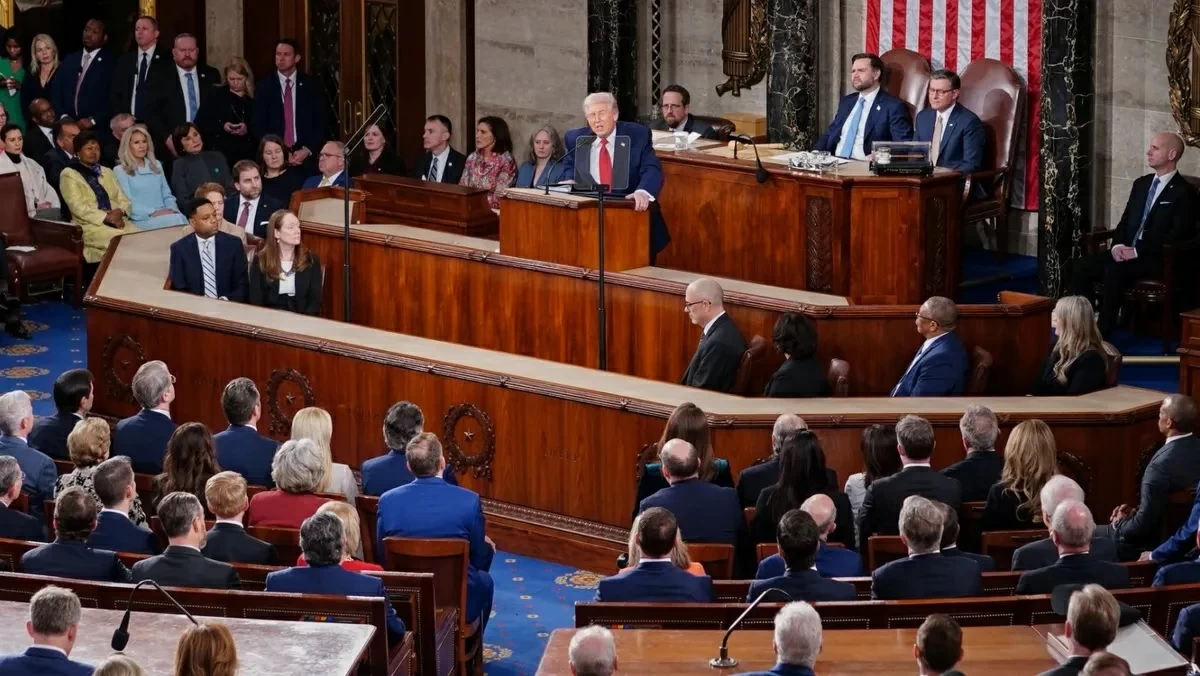
مع اقتراب موعد الأول من مايو، تتجه الأنظار إلى قاعات الكابيتول هيل في واشنطن، مقر انعقاد جلسات الكونغرس الأمريكي، إذ تنتهي في هذا الموعد.
مهلة الـ60 يوماً، التي يمنحها قانون سلطات الحرب للإدارة الأمريكية قبل الحصول على تفويض تشريعي للعمليات العسكرية، ما يضع إدارة الرئيس دونالد ترمب أمام مفترق دستوري: فإما الحصول على موافقة الكونغرس باستمرار الحرب أو إنهاء العمليات العسكرية.
من يمتلك حق إعلان الحرب؟
وتنص المادة الأولى في الدستور الأمريكي على أن المشرعين في الكونغرس يمتلكون حق «إعلان الحرب» على أي دولة خارجية، فيما تنص المادة الثانية على أن الرئيس هو القائد الأعلى للقوات المسلحة.
ومن ثم يجوز للرئيس التمسك بصلاحياته الأصيلة قائداً أعلى للقوات المسلحة، بموجب المادة الثانية، لمواصلة العمليات العسكرية رغم قانون تفويض استخدام القوة العسكرية.
ووفقاً لموقع «أرشيف الكونغرس»، صدر قانون صلاحيات الحرب عام 1973، بعد أن تجاوز الكونغرس «فيتو» (حق النقض) الرئيس السابق ريتشارد نيكسون عليه.
أبرز مواد قانون صلاحيات الحرب
وينص القانون على أن الرئيس يجب أن يبلغ الكونغرس خلال 48 ساعة عن إرسال قوات مسلحة إلى «أعمال عدائية» أو احتمال تعرضها لها، وأن يستمر استخدام القوات لأجلٍ لا يزيد عموماً على 60 يوماً من تاريخ الإخطار، مع مهلة انسحاب إضافية تصل إلى 30 يوماً لتهيئة الانسحاب، ما لم يقر الكونغرس «إعلان حرب» أو يصدر تشريعاً يجيز استمرار العمليات.
وسمح للرئيس بطلب تمديد الفترة عبر تقديم تقييم وطلب مكتوب، ويمكن للكونغرس التصويت على مشروع قرار شن الحرب بأغلبية ضئيلة في مجلسي النواب والشيوخ، اللذين يتمتعان حالياً بأغلبية جمهورية.
ومن ثم، يتعين على الرئيس ترمب تقديم تقرير للكونغرس لطلب تمديد العمليات القتالية لمدة 30 يوماً بعد انتهاء مهلة الـ60 يوماً، وفي حال عدم قيامه بذلك، يجوز للكونغرس تقديم مشروع قانون أو قرار مشترك يوجه الرئيس بسحب القوات الأمريكية من الخارج.
استغلال تفسير مصطلح الأعمال العدائية
عادة يستغل الرؤساء عدم وجود تعريف دقيق لمصطلح «الأعمال العدائية»، إذ يعتبرون عادة أن الهجمات الجوية وعمليات الطائرات دون طيار لا تشكل أعمالاً عسكرية تستوجب إخطار الكونغرس والالتزام بمهلة 60 يوماً.
وكان الرئيس ترمب كشف إنه تلقى نصيحة بعدم استخدام كلمة «حرب» على إيران، والاكتفاء بمصطلح «عمليات عسكرية» فقط.
وفي عام 2011، شن الرئيس السابق باراك أوباما هجمات على ليبيا استمرت 78 يوماً من دون تفويض، وجادل بأن القصف الجوي والهجمات بطائرات دون طيار لا تندرج تحت «الأعمال العدائية» بموجب تعريف القانون؛ لأن القوات لم تشارك في هجمات برّية. لذا، يمكن لترمب الاستمرار في عمليات القصف على إيران بعد الـ60 يوماً دون إخطار الكونغرس.
تصويت ثلثي مجلس الشيوخ لتجاوز «الفيتو»
وفي حال تمرير مشروع قرار في الكونغرس للحد من صلاحيات ترمب في عملياته العسكرية على إيران، فإنه سيحتاج إلى تصويت ثلثي مجلس الشيوخ لتجاوز «الفيتو» الرئاسي، وهو أمر بالغ الصعوبة في ظل تأييد جمهوري لاستمرار القصف العسكري على إيران.
يذكر أن الكونغرس لم يعلن الحرب رسمياً منذ الحرب العالمية الثانية. وبالتالي، تتحول المسألة إلى نزاع سياسي ودستوري يمكن للكونغرس معالجته عبر سبل عدة، تشمل التشريع، وتحديد المخصصات المالية، والرقابة البرلمانية، واللجوء إلى القضاء، وحتى إجراءات عزل الرئيس.
ومن بين الخيارات المتاحة، يمكن للكونغرس عدم الموافقة على التمويل الإضافي الذي طلبه البيت الأبيض بقيمة 200 مليار دولار لتمويل القوات الأمريكية في عملياتها العسكرية على إيران.
As the date of May 1 approaches, attention turns to the Capitol Hill halls in Washington, where sessions of the U.S. Congress are held, as this deadline arrives.
The 60-day deadline granted by the War Powers Act to the U.S. administration before obtaining legislative authorization for military operations places President Donald Trump's administration at a constitutional crossroads: either obtain Congress's approval to continue the war or end military operations.
Who has the right to declare war?
Article One of the U.S. Constitution states that lawmakers in Congress have the right to "declare war" against any foreign nation, while Article Two states that the president is the commander-in-chief of the armed forces.
Thus, the president may assert his inherent powers as commander-in-chief under Article Two to continue military operations despite the Military Force Authorization Act.
According to the "Congressional Archives" website, the War Powers Act was enacted in 1973 after Congress overrode a veto from former President Richard Nixon.
Key provisions of the War Powers Act
The law stipulates that the president must notify Congress within 48 hours of sending armed forces into "hostilities" or the likelihood of their involvement, and that the use of forces may not exceed 60 days from the date of notification, with an additional 30-day withdrawal period to prepare for withdrawal, unless Congress enacts a "Declaration of War" or passes legislation permitting the continuation of operations.
The president is allowed to request an extension of this period by submitting an assessment and a written request, and Congress can vote on a resolution to initiate war with a slim majority in both the House and Senate, which currently have a Republican majority.
Therefore, President Trump must submit a report to Congress to request an extension of combat operations for 30 days after the 60-day deadline expires, and if he fails to do so, Congress may introduce a bill or joint resolution directing the president to withdraw U.S. forces from abroad.
Exploiting the interpretation of the term hostilities
Presidents often exploit the lack of a precise definition for the term "hostilities," as they typically consider airstrikes and drone operations not to constitute military actions that require notifying Congress and adhering to the 60-day deadline.
President Trump revealed that he was advised not to use the word "war" regarding Iran, but to stick with the term "military operations" only.
In 2011, former President Barack Obama launched attacks on Libya that lasted 78 days without authorization, arguing that airstrikes and drone attacks did not fall under "hostilities" as defined by the law because ground troops were not involved. Thus, Trump could continue bombing Iran after the 60 days without notifying Congress.
Two-thirds Senate vote to override the veto
If a resolution is passed in Congress to limit Trump's powers regarding military operations in Iran, it will require a two-thirds vote in the Senate to override the presidential veto, which is extremely difficult given Republican support for continued military bombing of Iran.
It is worth noting that Congress has not formally declared war since World War II. Consequently, the issue becomes a political and constitutional dispute that Congress can address through various means, including legislation, budget appropriations, parliamentary oversight, judicial recourse, and even presidential impeachment proceedings.
Among the available options, Congress may refuse to approve the additional funding requested by the White House amounting to $200 billion to finance U.S. forces in their military operations against Iran.