أوفدت الحكومة الهندية مستشار الأمن القومي أجيت دوفال، لإجراء مباحثات مستفيضة مع كبار المسؤولين في السعودية.
والتقى دوفال، وزير الطاقة الأمير عبدالعزيز بن سلمان وناقش معه أزمة الطاقة العالمية وحرية الملاحة البحرية، ومناقشة ملف العلاقات النفطية، والجهود المبذولة لدعم أمن الطاقة واستقرار إمداداتها.
كما التقى مستشار الأمن القومي خلال زيارته أيضاً وزير الخارجية الأمير فيصل بن فرحان، وناقش معه تطورات الأوضاع في المنطقة وضرورة إيجادل حلول سلمية لقضاياها.
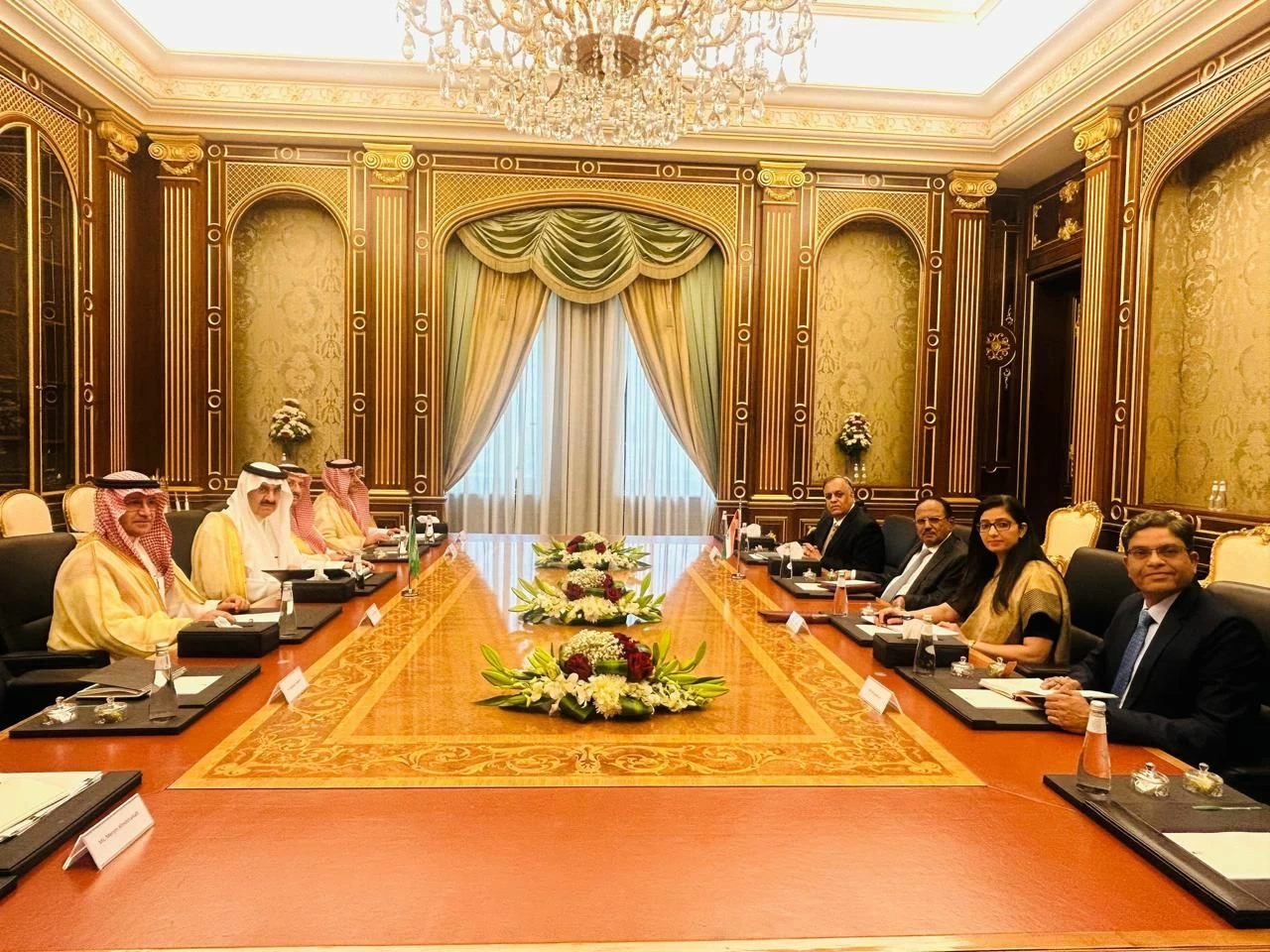
وبحث مستشار الأمن الهندي مع نظيره السعودي الدكتور مساعد العيبان جملة من المواضيع ذات العلاقة بالجوانب الأمنية وسبل تعزيز الشراكة الإستراتيجية السعودية الهندية.
وأوضح السفير الهندي لدى الرياض الدكتور سهيل خان في تصريحات لـ«عكاظ» أن نيودلهي متناغمة تماماً مع الرياض حيال مجمل تطورات الأوضاع في المنطقة وإيجاد حلول سلمية لها، مؤكداً أن نتائج لقاءات مستشار الأمن القومي الهندي مع كبار المسؤولين السعوديين كانت إيجابية للغاية ومثمرة، وتم التأكيد خلالها على ضرورة تعضيد الشراكة السعودية الهندية في جميع المجالات.
وأوضح السفير الهندي أن زيارة أجيت دوفال التي تعد الثانية إلى السعودية خلال شهرين تأتي في إطار تطوير المشاورات السياسية والأمنية بين البلدين.
واستنكر السفير الهندي الاعتداءات التي تعرضت لها المملكة أخيراً وغير المبررة إطلاقاً، مرحباً بالمبادرات السعودية لإحلال السلام والأمن في المنطقة ودعم الحلول الدبلوماسية لأزمات الإقليم، مؤكداً أن الهند شريك أساسي للمملكة في إيجاد حلول سلمية لقضايا المنطقة، مطالباً بحرية الملاحة في مضيق هرمز وعدم التصعيد.
وأضاف: "إن زيارة أجيت دوفال إلى المملكة عكست أبعادًا تتجاوز الطابع الثنائي التقليدي، لتلامس تحولات أعمق في مشهد أمن الطاقة العالمي".
الهند بوصفها واحدة من أكبر مستهلكي الطاقة في العالم، تدرك أن استقرار إمدادات النفط لا يمكن فصله عن الشراكة مع المملكة التي تمثل ركيزة أساسية في توازن الأسواق النفطية العالمية، ومن هذا المنطلق، تأتي المباحثات في توقيت بالغ الحساسية، حيث تتقاطع أزمة الطاقة العالمية مع تحديات جيوسياسية متزايدة، لا سيما ما يتعلق بأمن الممرات البحرية الحيوية.
والنقاش حول حرية الملاحة البحرية يعكس قلقًا مشتركًا من أي اضطرابات محتملة في خطوط الإمداد، خصوصًا في مناطق إستراتيجية مثل مضيق هرمز التي تشكل شريانًا رئيسيًا لتدفق النفط العالمي، وبالتالي، فإن ضمان أمن هذه الممرات بات جزءًا لا يتجزأ من معادلة أمن الطاقة.
أما على مستوى العلاقات النفطية، فإن الحوار بين الجانبين يندرج ضمن مساعي أوسع لتعزيز الشراكة الإستراتيجية، سواءً عبر استقرار الإمدادات أو تنويع مجالات التعاون في قطاع الطاقة، بما يشمل الاستثمارات المشتركة والتقنيات الحديثة.
ويمكن قراءة زيارة أجيت دوفال كمؤشر إلى تقارب متنامٍ بين الرياض ونيودلهي في ملفات الطاقة والأمن، حيث لم تعد العلاقة محصورة في تبادل النفط، بل باتت تمتد إلى تنسيق أعمق يهدف إلى احتواء تداعيات الأزمات العالمية وضمان استدامة أسواق الطاقة.
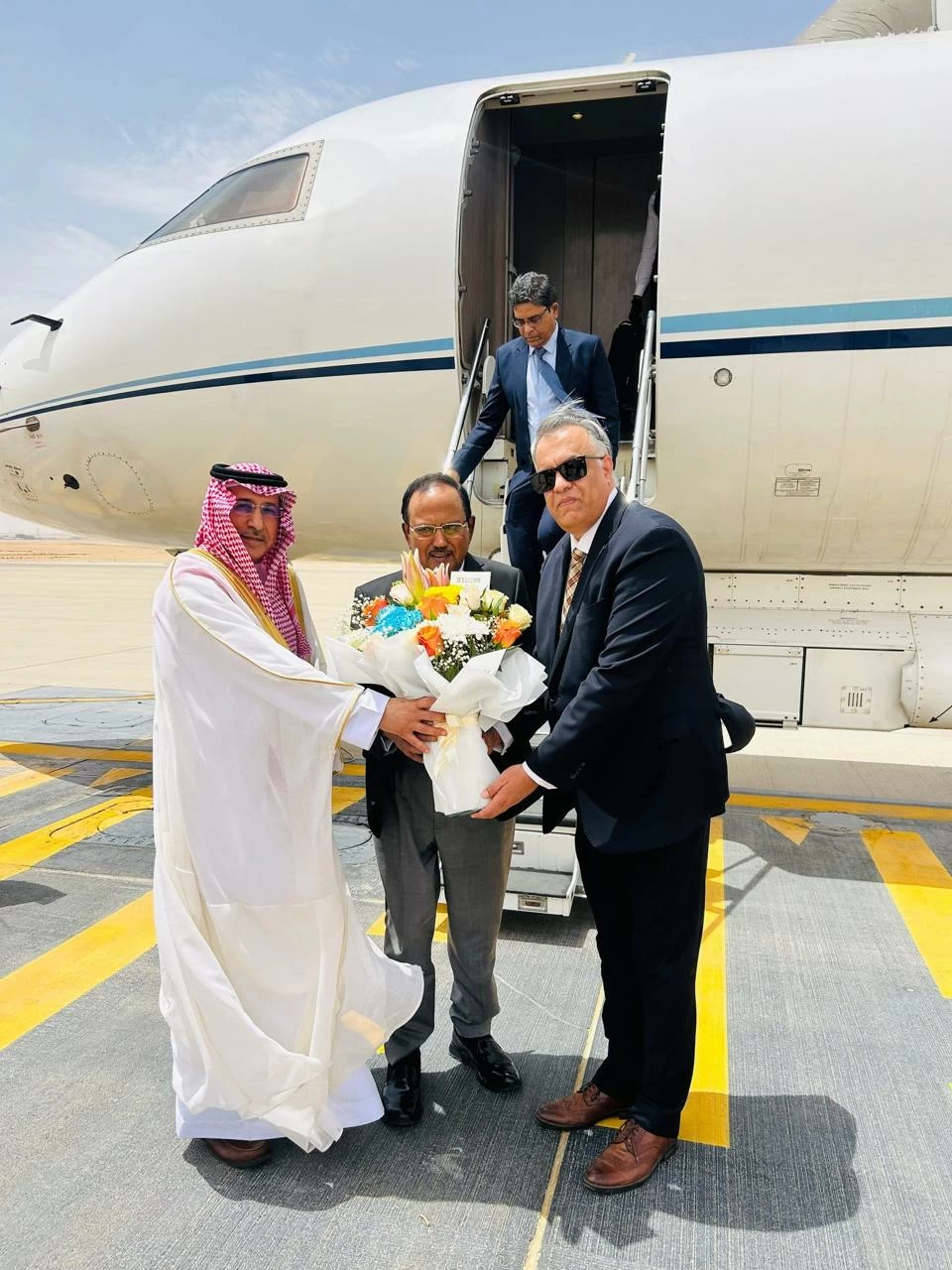
وكان مستشار الأمن القومي الهندي قد وصل إلى المملكة وكان في استقباله لدى وصوله وكيل وزارة الخارجية للشؤون السياسية سعود الساطي.
The Indian government has sent National Security Advisor Ajit Doval to hold extensive discussions with senior officials in Saudi Arabia.
Doval met with Energy Minister Prince Abdulaziz bin Salman and discussed the global energy crisis, maritime navigation freedom, the oil relations file, and efforts to support energy security and stabilize supplies.
During his visit, the National Security Advisor also met with Foreign Minister Prince Faisal bin Farhan, discussing the developments in the region and the necessity of finding peaceful solutions to its issues.
Doval discussed a range of security-related topics with his Saudi counterpart, Dr. Musaed al-Aiban, and ways to enhance the Saudi-Indian strategic partnership.
The Indian ambassador to Riyadh, Dr. Suhail Khan, stated in remarks to "Okaz" that New Delhi is fully aligned with Riyadh regarding the overall developments in the region and finding peaceful solutions, emphasizing that the outcomes of the Indian National Security Advisor's meetings with senior Saudi officials were very positive and fruitful, confirming the need to strengthen the Saudi-Indian partnership in all fields.
The Indian ambassador clarified that Ajit Doval's visit, which is the second to Saudi Arabia in two months, comes within the framework of developing political and security consultations between the two countries.
The Indian ambassador condemned the recent and completely unjustified attacks against the Kingdom, welcoming Saudi initiatives to establish peace and security in the region and support diplomatic solutions to regional crises, affirming that India is a key partner for the Kingdom in finding peaceful solutions to regional issues, calling for freedom of navigation in the Strait of Hormuz and de-escalation.
He added: "Ajit Doval's visit to the Kingdom reflected dimensions that go beyond the traditional bilateral nature, touching on deeper transformations in the global energy security landscape."
As one of the largest energy consumers in the world, India recognizes that the stability of oil supplies cannot be separated from its partnership with the Kingdom, which represents a fundamental pillar in the balance of global oil markets. From this perspective, the discussions come at a highly sensitive time, as the global energy crisis intersects with increasing geopolitical challenges, particularly concerning the security of vital maritime corridors.
The discussion on maritime navigation freedom reflects a shared concern over any potential disruptions in supply lines, especially in strategic areas like the Strait of Hormuz, which is a major artery for global oil flow. Therefore, ensuring the security of these corridors has become an integral part of the energy security equation.
At the level of oil relations, the dialogue between the two sides falls within broader efforts to enhance the strategic partnership, whether through stabilizing supplies or diversifying areas of cooperation in the energy sector, including joint investments and modern technologies.
Ajit Doval's visit can be seen as an indicator of a growing rapprochement between Riyadh and New Delhi on energy and security issues, as the relationship is no longer limited to oil exchange but has extended to deeper coordination aimed at containing the repercussions of global crises and ensuring the sustainability of energy markets.
The Indian National Security Advisor arrived in the Kingdom and was received upon his arrival by the Deputy Foreign Minister for Political Affairs, Saud Al-Sati.