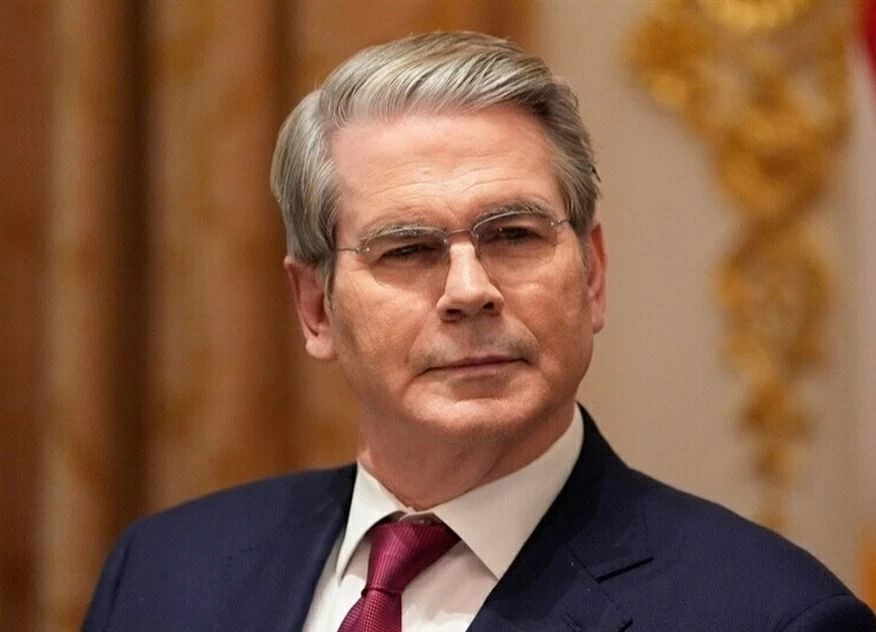
فيما أعلنت أمريكا فرض عقوبات جديدة على ثلاثة أفراد و17 كياناً وتسع سفن مرتبطة بإيران، وبمكافحة الإرهاب، أكد وزير الخزانة الأمريكي سكوت بيسنت اليوم (الأربعاء) أن الولايات المتحدة لن تجدد تراخيص عامة وإعفاءات سمحت بشراء بعض النفط الإيراني والروسي دون الوقوع تحت طائلة العقوبات الأمريكية.
وقال بيسنت إن تدفق إمدادات النفط العالمية سيعود إلى مستوياته الطبيعية بعد أسبوع واحد فقط من فتح مضيق هرمز، موضحاً أن نظراءه في الشرق الأوسط أبلغوه بجاهزية شحنات النفط للانطلاق فور إعادة فتح المضيق.
وأكد وزير الخزانة الأمريكية التزام بلاده بوقف إطلاق النار مع إيران، لافتاً إلى أن الحرب تقترب من نهايتها.
وأفصح الوزير الأمريكي عن إبلاغ بلاده الدول التي تشتري النفط الإيراني أنها مستعدة لفرض عقوبات ثانوية، مبيناً أن أمريكا طلبت تجميد أموال الحرس الثوري الإيراني وأموال القيادة الإيرانية.
وأضاف: «نعتقد أن الحصار سيؤدي إلى تعليق مشتريات الصين من نفط إيران»، محذراً من أن الولايات المتحدة ستزيد من الألم الاقتصادي لإيران، وأن التحركات ستكون «مساوية مالياً» لحملة القصف.
بدورها، أعلنت القيادة المركزية الأمريكية، إيقاف حركة التبادل التجاري الاقتصادي من وإلى إيران عبر المسار البحري، موضحة أن البحارة ومشاة البحرية وأفراد القوات الجوية الأمريكية متمركزين ومستعدين للتحرك ضد أي سفن تسعى لانتهاك هذا الحصار.
في المقابل، قال مصدر إيراني مطلع لوكالة «رويترز»، إن طهران ربما تنظر في السماح للسفن بالإبحار بحرية عبر الجانب العُماني من مضيق هرمز دون التعرض لخطر الهجوم، في إطار المقترحات التي قدمتها في المفاوضات مع الولايات المتحدة، في حال التوصل إلى اتفاق يحول دون استئناف الحرب بعد الهدنة.
While America announced new sanctions on three individuals, 17 entities, and nine ships linked to Iran, and in the fight against terrorism, U.S. Treasury Secretary Scott Bensent confirmed today (Wednesday) that the United States will not renew general licenses and exemptions that allowed the purchase of some Iranian and Russian oil without falling under U.S. sanctions.
Bensent stated that the flow of global oil supplies will return to normal levels just one week after the Strait of Hormuz is reopened, explaining that his counterparts in the Middle East informed him that oil shipments are ready to set sail as soon as the strait is reopened.
The U.S. Treasury Secretary reaffirmed his country's commitment to a ceasefire with Iran, noting that the war is nearing its end.
The American minister revealed that his country has informed nations purchasing Iranian oil that it is prepared to impose secondary sanctions, indicating that America has requested the freezing of the Iranian Revolutionary Guard's funds and the funds of the Iranian leadership.
He added: "We believe that the blockade will lead to a suspension of China's purchases of Iranian oil," warning that the United States will increase Iran's economic pain, and that the actions will be "financially equivalent" to a bombing campaign.
For its part, the U.S. Central Command announced the cessation of economic trade movement to and from Iran via maritime routes, clarifying that sailors, Marines, and U.S. Air Force personnel are stationed and ready to act against any ships attempting to violate this blockade.
In contrast, an informed Iranian source told Reuters that Tehran may consider allowing ships to sail freely through the Omani side of the Strait of Hormuz without the risk of attack, as part of proposals made during negotiations with the United States, should an agreement be reached to prevent the resumption of war after the ceasefire.