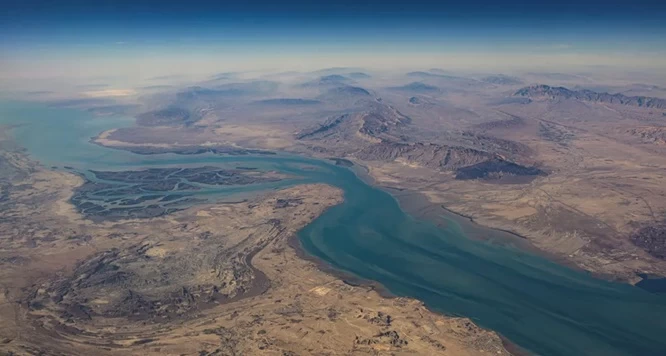
على الرغم من إعلان وقف إطلاق النار، لا تزال إيران عاجزة عن فتح مضيق هرمز بشكل كامل أمام حركة الملاحة البحرية، وسط مخاوف دولية تتعلق بالألغام البحرية المنتشرة في الممر الاستراتيجي. ويُرجع مسؤولون أمريكيون هذا العجز إلى عدم قدرة طهران على تحديد مواقع جميع الألغام التي زرعتها، إضافة إلى افتقارها للخبرة والقدرة على إزالتها بسرعة.
وكشفت مصادر لصحيفة نيويورك تايمز أن الألغام «التائهة» تُعد سبباً رئيسياً وراء بطء استجابة إيران لطلبات إدارة الرئيس الأمريكي دونالد ترمب بالسماح بمرور المزيد من السفن عبر المضيق الحيوي. وتُظهر هذه المعضلة تحدياً إضافياً قبل اجتماع المفاوضين الإيرانيين مع الوفد الأمريكي برئاسة نائب الرئيس جي دي فانس في باكستان، في إطار محادثات تهدف إلى إنهاء النزاع بشكل كامل.
يُذكر أن إيران لجأت في مارس الماضي إلى استخدام زوارق صغيرة لزرع الألغام في المضيق، بعد وقت قصير من بدء الولايات المتحدة وإسرائيل عمليات عسكرية ضدها. وقد أسهمت هذه الألغام، إلى جانب تهديدات الهجمات بالطائرات المسيّرة والصواريخ، في خفض عدد ناقلات النفط والسفن العابرة، مما أدى إلى ارتفاع أسعار الطاقة وقدم لطهران ورقة ضغط استراتيجية.
في الوقت نفسه، احتفظت إيران بممرات محدودة للسفن التي تدفع رسوم مرور أو تلك التابعة لدول تصنّفها صديقة، فيما أصدر الحرس الثوري الإيراني تحذيرات من مخاطر اصطدام السفن بالألغام، ونشرت وسائل إعلام شبه رسمية خرائط تبين الطرق الآمنة.
وتشير المصادر الأمريكية إلى أن هذه الممرات محدودة للغاية، إذ زرعت إيران الألغام بشكل عشوائي، ومن غير الواضح ما إذا كانت قد سجلت مواقع جميع الألغام، خصوصاً أن بعضها وُضع بطريقة تسمح له بالانجراف مع التيارات البحرية. ومع صعوبة إزالة الألغام البحرية مقارنة بزراعتها، يفتقر الجيش الأمريكي إلى قدرات قوية لإزالتها ويعتمد على سفن قتال ساحلية مجهزة بكاسحات ألغام، فيما تعجز إيران أيضاً عن إزالة الألغام بسرعة، حتى تلك التي زرعتها بنفسها.
Despite the announcement of a ceasefire, Iran remains unable to fully open the Strait of Hormuz to maritime traffic, amid international concerns regarding the sea mines scattered in the strategic passage. U.S. officials attribute this inability to Tehran's failure to identify the locations of all the mines it has planted, in addition to its lack of expertise and capability to remove them quickly.
Sources revealed to the New York Times that the "lost" mines are a major reason behind Iran's slow response to requests from U.S. President Donald Trump's administration to allow more ships to pass through the vital strait. This dilemma presents an additional challenge ahead of the meeting between Iranian negotiators and the U.S. delegation led by Vice President J.D. Vance in Pakistan, as part of talks aimed at fully ending the conflict.
It is noteworthy that Iran resorted in March to using small boats to plant mines in the strait, shortly after the United States and Israel began military operations against it. These mines, along with threats of drone and missile attacks, have contributed to a reduction in the number of oil tankers and passing ships, leading to rising energy prices and providing Tehran with a strategic leverage.
At the same time, Iran has maintained limited corridors for ships that pay transit fees or those belonging to countries it classifies as friendly, while the Iranian Revolutionary Guard issued warnings about the risks of ships colliding with mines, and semi-official media published maps showing safe routes.
U.S. sources indicate that these corridors are extremely limited, as Iran has planted mines randomly, and it is unclear whether it has recorded the locations of all the mines, especially since some were placed in a way that allows them to drift with the ocean currents. With the difficulty of removing sea mines compared to planting them, the U.S. military lacks strong capabilities for their removal and relies on coastal combat ships equipped with mine sweepers, while Iran also struggles to remove mines quickly, even those it has planted itself.