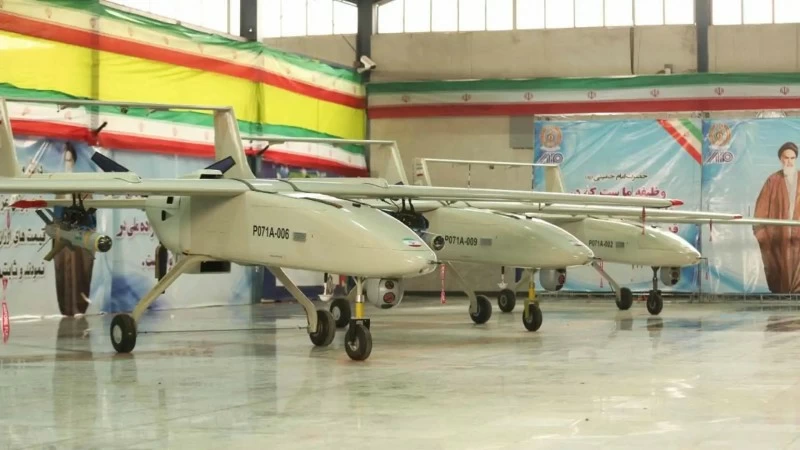
توقع مراقبون أن تكون المرحلة الثانية من الحرب الأمريكية الإسرائيلية مع إيران أخطر من المرحلة الحالية. ورجح الخبراء في مركز الدراسات الدولية أن تنتقل الحرب خلال المرحلة القادمة من استخدام الصواريخ إلى المسيّرات، لأنها أقل تكلفة.
الضغط على البنية التحتية
ورأى هؤلاء أن تلك المرحلة قد تكون أخطر من الحالية، لأنها قد تؤدي إلى استمرار الهجمات المتبادلة لفترة أطول، وقد تعني أيضاً زيادة الضغط على البنية التحتية مثل (الطاقة، والمطارات، والموانئ).
ولفتوا إلى احتمال توسع الحرب جغرافياً إذا دخلت أطراف أخرى، خصوصاً بعد تنديدات تركيا وأذربيجان باختراق المسيّرات الإيرانية أجواءهما.
ورجح المراقبون أن تميل إيران أكثر فأكثر مع الوقت إلى تقليل استخدام الصواريخ البالستية، خصوصاً مع الغارات التي طالت العشرات من منصات الإطلاق الصاروخية، وزيادة استخدام المسيّرات الانتحارية منخفضة التكلفة. وعزوا سبب هذا التوجه الإيراني إلى أن المسيّرات أرخص من حيث كلفة الإنتاج وأسهل في إطلاقها من مواقع متعددة.
وتوقع عدد من الخبراء أن تتجه طهران إلى تنفيذ موجات من الهجمات المتقطعة بدلاً من الضربات الضخمة، كأن تطلق على سبيل المثال ما بين 20 و40 مسيّرة في الهجمة الواحدة، مرات متعددة في الأسبوع.
استنزاف الدفاعات الجوية
وتخطط إيران إلى استنزاف الدفاعات الجوية، فغالباً ما تهدف الدول التي تستخدم الدرونز في الحروب إلى إجبار الخصم على إطلاق صواريخ اعتراض باهظة الثمن، وإنهاك أنظمة الدفاع، فضلاً عن اختبار نقاط الضعف في الرادارات، حسب تحليلات RAND Corporation.
ولفت المعهد الأمريكي CSIS إلى أن طهران أطلقت ما يقارب 2700 صاروخ ومسيّرة في تقدير أولي، ما كلفها مليارات الدولارات.
بينما قدرت الخسائر الأمريكية بنحو 6 مليارات. إذ أبلغ مسؤولون في «البنتاغون» هذا الأسبوع الكونغرس الأمريكي أن الأسبوع الأول من الحرب كلّف حوالى 6 مليارات دولار. ويتوقع الجمهوريون أن تطلب الإدارة الأمريكية مزيداً من التمويل من الكونغرس لخوض الحرب، وفق ما نقلت صحيفة «نيويورك تايمز».
تأتي تلك المخاوف وسط تأكيد الرئيس الأمريكي دونالد ترمب أن الضربات على إيران ستستمر، حتى تعلن استسلامها بلا شروط. فيما توعد الحرس الثوري الإيراني بـ«الصمود في هذه الحرب الضارية لمدة 6 أشهر»، بحسب قوله.
Observers expect that the second phase of the American-Israeli war with Iran will be more dangerous than the current phase. Experts at the Center for International Studies suggested that the war will shift from the use of missiles to drones in the upcoming phase, as they are less costly.
Pressure on Infrastructure
They believe that this phase could be more dangerous than the current one, as it may lead to prolonged mutual attacks and could also mean increased pressure on infrastructure such as (energy, airports, and ports).
They pointed out the possibility of the war expanding geographically if other parties become involved, especially after Turkey and Azerbaijan condemned the Iranian drones violating their airspace.
Observers suggested that Iran is likely to increasingly reduce its use of ballistic missiles over time, especially with the airstrikes targeting dozens of missile launch platforms and the increased use of low-cost suicide drones. They attributed this Iranian trend to the fact that drones are cheaper in terms of production costs and easier to launch from multiple locations.
Several experts predicted that Tehran would move towards executing waves of intermittent attacks instead of large strikes, such as launching between 20 and 40 drones in a single attack, multiple times a week.
Depleting Air Defenses
Iran plans to deplete air defenses, as countries that use drones in wars often aim to force the opponent to launch expensive intercept missiles, exhausting defense systems, as well as testing vulnerabilities in radars, according to analyses by RAND Corporation.
The American Institute CSIS noted that Tehran has launched approximately 2,700 missiles and drones in an initial estimate, costing it billions of dollars.
Meanwhile, American losses were estimated at around 6 billion. Officials at the Pentagon informed the U.S. Congress this week that the first week of the war cost about 6 billion dollars. Republicans expect the U.S. administration to request additional funding from Congress to continue the war, according to what the New York Times reported.
These concerns come amid U.S. President Donald Trump's assertion that strikes on Iran will continue until it surrenders unconditionally. Meanwhile, the Iranian Revolutionary Guard has vowed to "withstand this fierce war for 6 months," according to its statement.