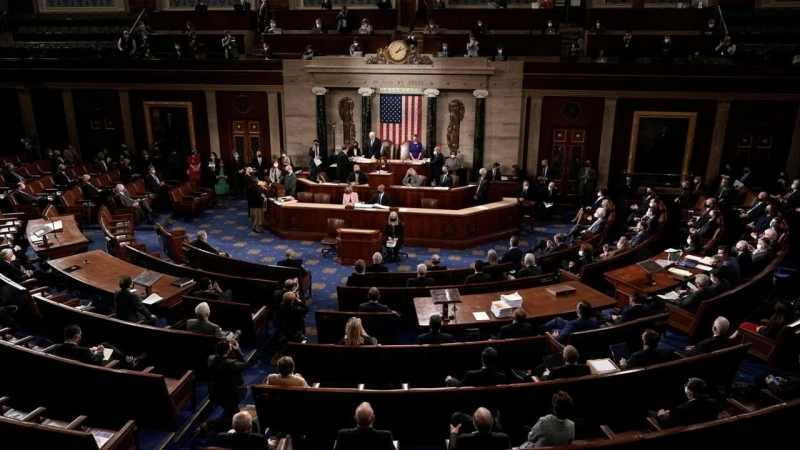
بعد تصويت الأغلبية لعرقلة مشروع قرار من الحزبين كان يهدف إلى وقف الحرب ووضع شروط لأي عملية قتالية ومنها الحصول على تفويض من الكونغرس، أعلن مجلس الشيوخ الأمريكي تأييده لقرار الرئيس دونالد ترمب شن حملة عسكرية على إيران.
وقال مؤيدو مشروع القرار إن الخطوة كانت تهدف إلى استعادة مسؤولية الكونجرس في إعلان الحروب، كما ينص عليها الدستور الأمريكي وذلك بعد أن صوت مجلس الشيوخ بأغلبية 53 صوتاً مقابل 47 لصالح عدم المضي قدماً في مشروع القرار.
ورفض المعارضون ذلك، واعتبروا أن إجراء ترمب قانوني ويقع ضمن صلاحياته بوصفه القائد الأعلى للقوات المسلحة، لحماية الولايات المتحدة عبر إصدار أوامر بتنفيذ هجمات محدودة، واتهموا مؤيدي القرار بتعريض القوات الأمريكية للخطر.
وقال السيناتور الجمهوري جيم ريش، رئيس لجنة العلاقات الخارجية في مجلس الشيوخ، في خطاب عارض فيه مشروع القرار: «هذه ليست حرباً أبدية، بل ليست حتى قريبة من ذلك، هذا سينتهي بسرعة كبيرة جداً».
وقال داعمو مشروع القرار إنهم لن يتخلوا عن مسعاهم، بل إن بعض الجمهوريين الذين صوتوا على عرقلته قالوا إنهم سيدفعون باتجاه الاستماع إلى شهادة علنية من مساعدي ترمب بشأن إستراتيجية الإدارة الأمريكية تجاه إيران، لا سيما إذا استمر الصراع لأسابيع كما توقّع ترمب.
وبموجب دستور الولايات المتحدة، يتولى الرئيس قيادة القوات المسلحة وتوجيه العلاقات الخارجية، لكن الكونغرس وحده هو من يملك سلطة إعلان الحرب.
ويلزم القانون الرئيس بتقديم تقارير دورية إلى الكونجرس، وهو ما بدأت الإدارة الأميركية القيام به، الاثنين، كما يشترط القانون إنهاء العمليات العسكرية التي تتم دون تفويض في غضون 60 يوماً ما لم يتم تمديد الموعد النهائي، ويسمح للكونغرس بإجراء لسحب القوات العسكرية من أي صراع.
After the majority voted to obstruct a bipartisan resolution aimed at ending the war and setting conditions for any military action, including obtaining authorization from Congress, the U.S. Senate announced its support for President Donald Trump's decision to launch a military campaign against Iran.
Supporters of the resolution stated that the step aimed to restore Congress's responsibility in declaring wars, as stipulated by the U.S. Constitution, after the Senate voted 53 to 47 against proceeding with the resolution.
Opponents rejected this, arguing that Trump's action was legal and fell within his powers as commander-in-chief of the armed forces, to protect the United States by issuing orders for limited strikes, and accused the supporters of the resolution of endangering U.S. troops.
Republican Senator Jim Risch, chairman of the Senate Foreign Relations Committee, said in a speech opposing the resolution: "This is not an eternal war, nor is it even close to that; this will end very quickly."
Supporters of the resolution stated that they would not abandon their efforts, and some Republicans who voted to obstruct it said they would push for public testimony from Trump's aides regarding the administration's strategy towards Iran, especially if the conflict continued for weeks as Trump anticipated.
Under the U.S. Constitution, the president leads the armed forces and directs foreign relations, but only Congress has the authority to declare war.
The law requires the president to provide periodic reports to Congress, which the U.S. administration began doing on Monday, and the law stipulates the termination of military operations conducted without authorization within 60 days unless the deadline is extended, allowing Congress to take action to withdraw military forces from any conflict.